



•Dr Priscilia Imade
Pterygium is a non-cancerous fleshy growth that develops on the conjunctiva, the thin transparent membrane covering the white part of the eye. The growth usually starts from the inner corner of the eye near the nose and gradually extends toward the cornea, which is the clear front surface of the eye.
The condition may occur in one or both eyes. Because it resembles a wing-shaped tissue, the name originated from a Greek word meaning “little wing.”
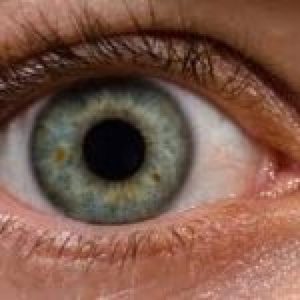
Pterygium is sometimes called “surfer’s eye” because it commonly affects people exposed to excessive sunlight and outdoor environmental conditions.
Pterygium is more common in hot and sunny regions of the world. Studies show that millions of people worldwide are affected, especially those living near the equator.
In Nigeria and other African countries, the condition is frequently seen among outdoor workers such as: Farmers, Fishermen, Traders, Drivers, Construction workers, Security personnel amongst others.
Adults between thirty and sixty years are more commonly affected because of prolonged environmental exposure over time.
CAUSES OF PTERYGIUM
The exact cause is not fully understood, but several factors contribute to its development. Some of the causes include:
1. Sunlight Exposure: Excessive exposure to ultraviolet rays from the sun is the major cause. Long-term sunlight exposure damages the surface tissues of the eye and encourages abnormal growth.
2. Dust and Wind: Dusty and windy environments constantly irritate the eye and increase the risk of developing pterygium.
3. Dry Eye and Irritation: Chronic dryness and irritation of the eyes may contribute to the condition.
4. Environmental Pollution: Smoke, sand, and other environmental pollutants can worsen irritation and inflammation of the eye surface.
RISK FACTORS
Some people are more likely to develop pterygium than others.
Risk factors include: Spending long hours outdoors, Living in hot climates, Failure to wear protective sunglasses, Increasing age, Outdoor occupations, Frequent exposure to dust and wind.
SYMPTOMS OF PTERYGIUM
In the early stages, pterygium may not produce symptoms. As it enlarges, symptoms may include: Redness of the eye, Eye irritation, Burning sensation, Itching, Excess tearing, Dryness, Feeling of sand or dirt inside the eye, Blurred vision, Visible fleshy growth on the eye.
When the growth extends onto the cornea, it may distort vision by changing the shape of the cornea.
DIAGNOSIS
Pterygium is usually diagnosed during a routine eye examination by an Optometrist or Ophthalmologist.
TREATMENT
Treatment depends on the severity of the condition and the symptoms experienced.
1. Lubricating Eye Drops
Artificial tears help reduce dryness, irritation, and discomfort.
2. Anti-Inflammatory Eye Drops
These may be prescribed to reduce redness and swelling.
3. Environmental Protection.
Patients are advised to reduce exposure to sunlight, dust, smoke, and wind.
4. Surgery
Surgical removal may be necessary when: Vision becomes affected, the growth becomes large, persistent irritation occurs, eye movement is affected and cosmetic appearance becomes a concern.
MANAGEMENT AND PREVENTION
Prevention is very important because environmental exposure plays a major role in the development of pterygium.
1. Wear Sunglasses:
Quality sunglasses with ultraviolet protection help shield the eyes from harmful sunlight.
2. Use Wide-Brimmed Hats: Hats reduce direct sunlight exposure to the eyes.
3. Avoid Dusty Environments:
Protective eyewear should be worn in dusty or windy conditions.
4. Use Lubricating Eye Drops: These help maintain eye moisture and reduce irritation.
5. Regular Eye Examinations:
Routine eye checks allow early detection and treatment before complications develop.
CONCLUSION
Pterygium is a common eye condition that affects many people living in sunny and dusty environments. Although it may begin as a small fleshy growth, it can gradually interfere with vision if ignored.
Fortunately, pterygium can be prevented through proper eye protection, reduced environmental exposure, and regular eye examinations. Early diagnosis and treatment remain essential in preserving good vision and maintaining healthy eyes.
*Dr Priscilia Imade is CEO, Modern Eye Clinic, Lagos. E-mail: moderneyecliniclagos@gmail.com
Another edition of the column returns on Monday in The Frontier.