•National grid
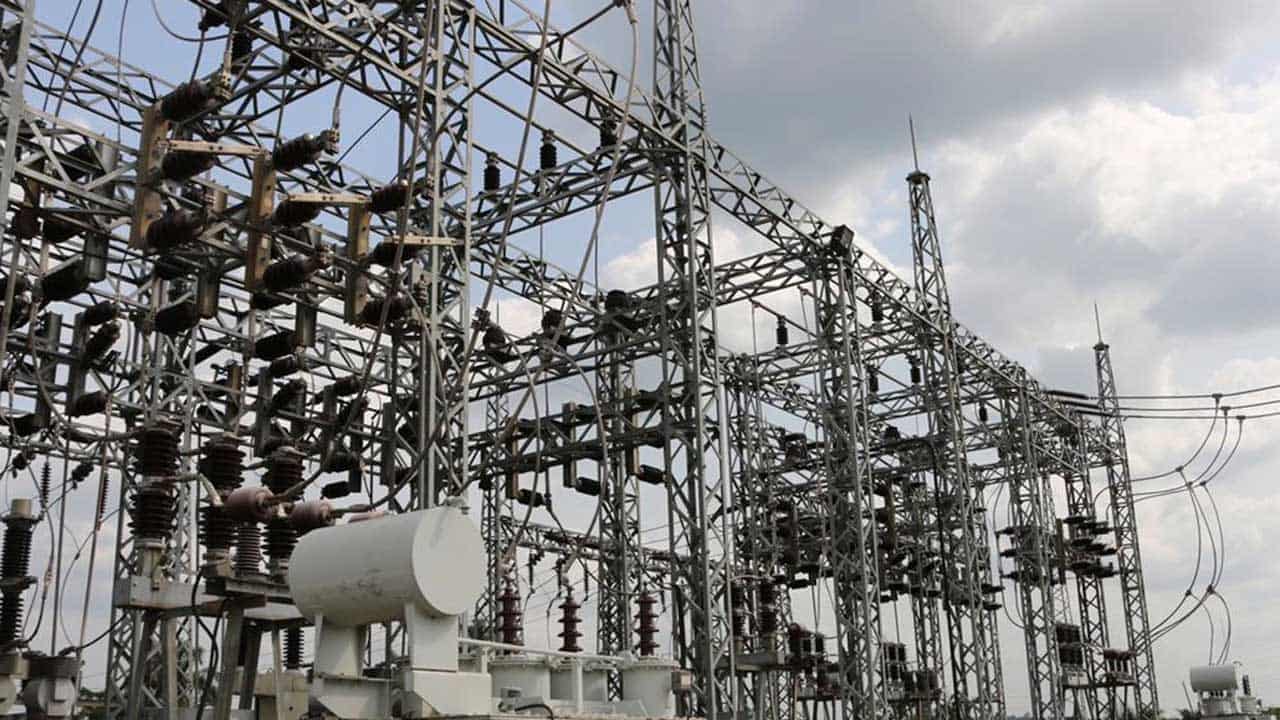
Nigeria’s fragile electricity system suffered another major collapse yesterday after real-time grid data showed power generation plunging to 231.50 megawatts (MW), triggering widespread blackouts and leaving most electricity distribution companies (DisCos) without supply.
Data from the National Grid Performance Dashboard (NGPD) indicated that as of 5.00p.m., total generation on the national grid dropped to one of its lowest ever recorded, with only three generation companies (GenCos) supplying electricity nationwide.

However, some minutes after 9pm, the situation improved and generation reached 1,924.49MW, reports The Guardian.
The recovery was driven largely by output from key hydro and gas-fired power plants. Kainji hydro power station led generation with 519MW, followed by Jebba hydro at 242MW, Olorunsogo NIPP at 109.20MW, Paras Energy at 108.20MW, Delta Power Plant at 128MW, Omotosho gas plant at 121MW, and Okpai gas/steam plant at 226MW.
Checks revealed that more than 30 grid-connected power plants, including critical stations such as Egbin, Geregu, Omotosho, Olorunsogo, Afam, Ihovbor, Sapele, Jebba, Kainji and Zungeru, were either completely offline or producing zero output.
Only Delta power station, which generated 149MW, Okpai with 70MW and Omoku Gas Plant, with 12.50MW were operational at the time.
The sharp collapse in generation cascaded across, slashing electricity supply to DisCos. Data from the national grid’s Distribution Load Profile (DLP) showed that total load allocation stood at just 305MW by 17:16 p.m., an amount grossly inadequate to serve even a single major city.
Only six DisCos, viz Ibadan, Abuja, Benin, Eko, Enugu and Ikeja, received power allocations of 105MW, 40MW, 20MW, 45MW, 30MW and 65MW, respectively, while major DisCos recorded zero allocation, effectively cutting off millions of customers from the national grid.
Power sector analysts described the incident as a systemic failure, stressing that a national grid serving over 200 million people should not be operating at output levels comparable to a small independent power plant.
Experts explained that it was not just a technical disturbance, but a near-total shutdown of the generation ecosystem, as over 90 per cent of installed plants are simultaneously offline.
The latest collapse comes amid persistent gas supply constraints, mounting debts to GenCos, liquidity shortfalls and weak transmission resilience. Thermal power plants, which account for nearly 80 per cent of Nigeria’s installed capacity, continue to struggle with inadequate gas supply and unpaid invoices, while hydro stations face operational and water management challenges.
Despite having over 13,000MW of installed generation capacity, Nigeria’s actual available power has remained far below demand, with grid disturbances and collapses increasingly becoming routine.
The outage followed weeks of constrained electricity supply, including during the Christmas period, when average generation hovered around 3,000MW, far below national requirements.
It was earlier reported that widespread outages had already affected Lagos, Abuja and other major cities, even before yesterday’s collapse.
Eko DisCo, however, confirmed the collapse in a notice to its customers on the restoration.
“Kindly be informed there was a system collapse at 14:01hrs, which resulted in a loss of power supply across our network. We are working with our partners as we hope for the speedy restoration of the grid. We will keep you updated as soon as the power supply is restored,” it stated.
For consumers, the collapse deepened frustration, coming amid rising electricity tariffs and expectations of improved service, particularly for customers migrated to higher tariff bands.
The latest collapse, occurring at a time of already depressed generation, underscores the precarious state of Nigeria’s electricity system and raises fresh questions about how soon promised stability can realistically be achieved.
Energy experts say the repeated collapse of the national grid is also linked to the steady exit of large industrial consumers often described as anchor tenants from the national electricity network, warning that grid stability will remain elusive unless they are reintegrated.
Executive Director of PowerUp Nigeria, Adetayo Adegbemle, had told The Guardian that the Federal Government must urgently reverse the trend of industries disconnecting from the grid, noting that their departure left residential consumers shouldering the financial burden of sustaining the power system.
“We have allowed the big guns to escape the national grid, pushing the load of sustaining it on to residential consumers. As a result, tariffs become more expensive for households, while producers and industries continue to seek alternative energy sources, though those alternatives are often more costly,” Adegbemle said.
He explained that industrial users once provided stable demand, predictable load profiles and reliable payments, all of which are critical for grid stability and market liquidity. Their absence, he said, has weakened the electricity value chain, leaving distribution companies with shrinking loads and generation companies exposed to poor offtake and delayed payments.
Adegbemle argued that billions of naira currently spent by manufacturers on diesel, petrol and captive gas generation should be redirected into the national grid to strengthen its financial and operational base.
“I have previously said that the money manufacturers are spending on alternative energy sources should be reeled into the national grid first to ensure grid stability, and then to reduce the cost of grid electricity,” he said.
According to him, reintegrating industries as anchor tenants would enhance industrial competitiveness, lower production costs, create jobs and improve electricity supply reliability, while also reducing tariffs for consumers through better utilisation of generation and transmission infrastructure.
He added that a stable, well-utilised grid with dependable industrial offtakers would boost electricity generation, improve payment discipline across the market and ultimately reduce the Federal Government’s growing electricity subsidy burden.
Electricity Market Analyst, Lanre Elatuyi, had told our correspondent that maintaining grid reliability at nominal frequency and voltage has been a challenge for grid operators.
“So, if you cannot maintain that balance between demand and supply on the grid, manufacturing becomes the major problem. They need to stay on the grid because grid power is cheaper than captive generation
“However, the key question is: do we have an available and reliable generation in Nigeria that can supply every customer, including industrial customers, when they need it?” he asked.
He highlighted the importance of grid reliability, noting that frequent grid collapses and an unreliable power supply disrupt manufacturing processes, which is one of the key reasons manufacturers are increasingly exiting the national grid.
Analysts say the warning underscores the need for policy coherence, stressing that without reliable power supply, fair pricing and enforceable market rules to attract large users back to the grid, Nigeria’s national grid will continue to collapse.
Energy Analyst, Prof. Dayo Ayoade, described Monday’s grid collapse as “nothing new,” noting that Nigeria’s electricity infrastructure, a mix of old and new assets has long been prone to failure.
He said the repeated outages stem from technical losses, inadequate investment, and misalignment across generation, transmission, and distribution, adding that the system collapses as a protective measure, similar to an undersized generator tripping when overloaded.
“We have poor infrastructure, our current infrastructure is a mix of old and a bit of new infrastructure, so technical losses, technical problems, poor investments, and so forth. So the problems are the same old problems. It will continue until we fundamentally tackle the key issues of investments in relation to whether it is the generating capacity, transmission, distribution,” he said.