A severe domestic energy crisis is forcing millions of households across Nigeria to abandon clean energy alternatives and revert to primitive cooking fuels. Driven by an unprecedented surge in the prices of Liquefied Petroleum Gas, LPG, commonly known as cooking gas, and kerosene, many families in both rural and urban areas are returning to fi...

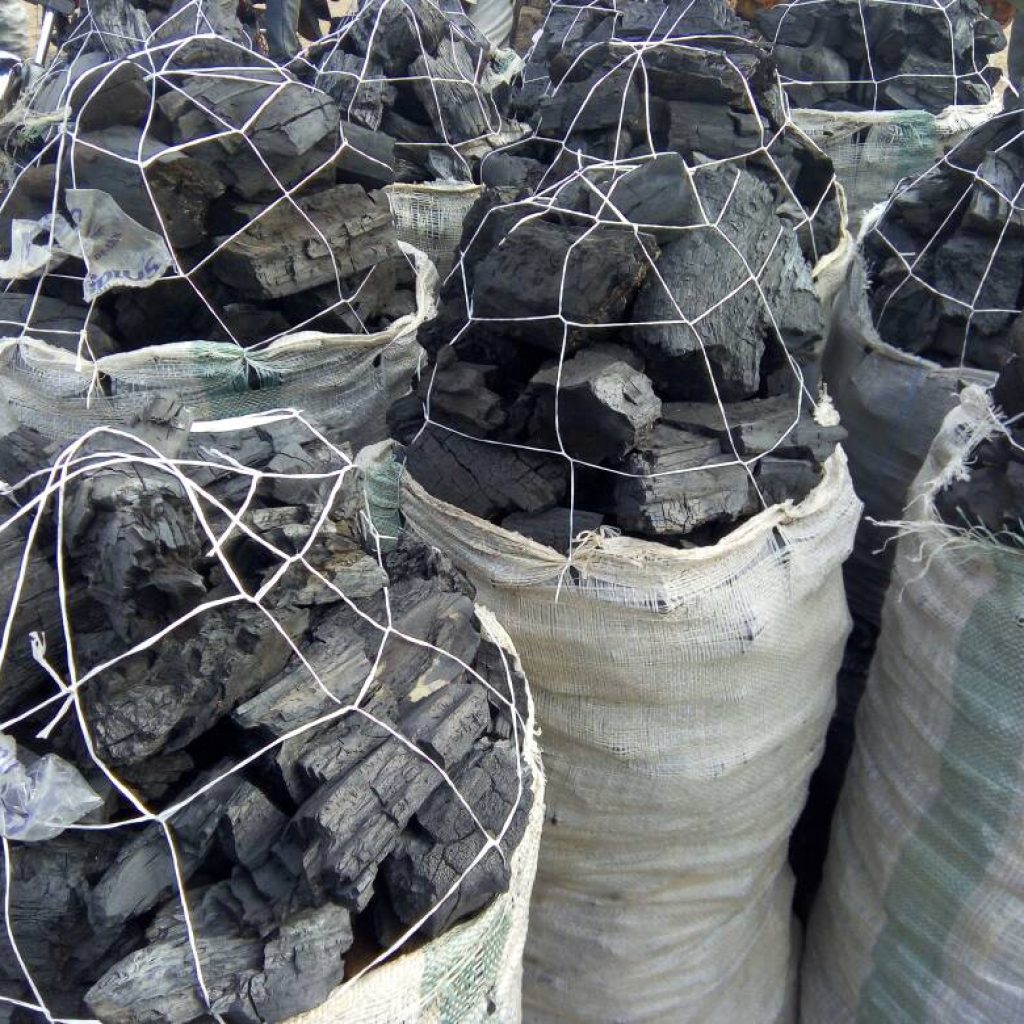
•Charcoal Rising energy and living costs in the Federal Capital Territory (FCT), Abuja and environs have forced many residents to abandon Liquefied Petroleum Gas (LPG) for firewood and charcoal to meet household demands. With cooking gas prices fluctuating between N1, 400 and N1, 500 per kilogram, households are adopting cheaper, traditional c...
•Cooking gas scarcity Over 20 million Nigerian households continue to rely on firewood and charcoal for cooking despite a decade of policy push, rising domestic LPG production and over $500 million in private investment, as affordability constraints and weak last-mile distribution stall the country’s clean cooking transition. Although more tha...
Nigerians in urban areas may have returned to the most affordable cooking fuels – charcoal and firewood, due to the increase in the price of cooking gas. Charcoal and firewood were used by mostly the locals and people living in semi-urban areas before the advent of cooking gas, reports Vanguard. However, when cooking gas came […]
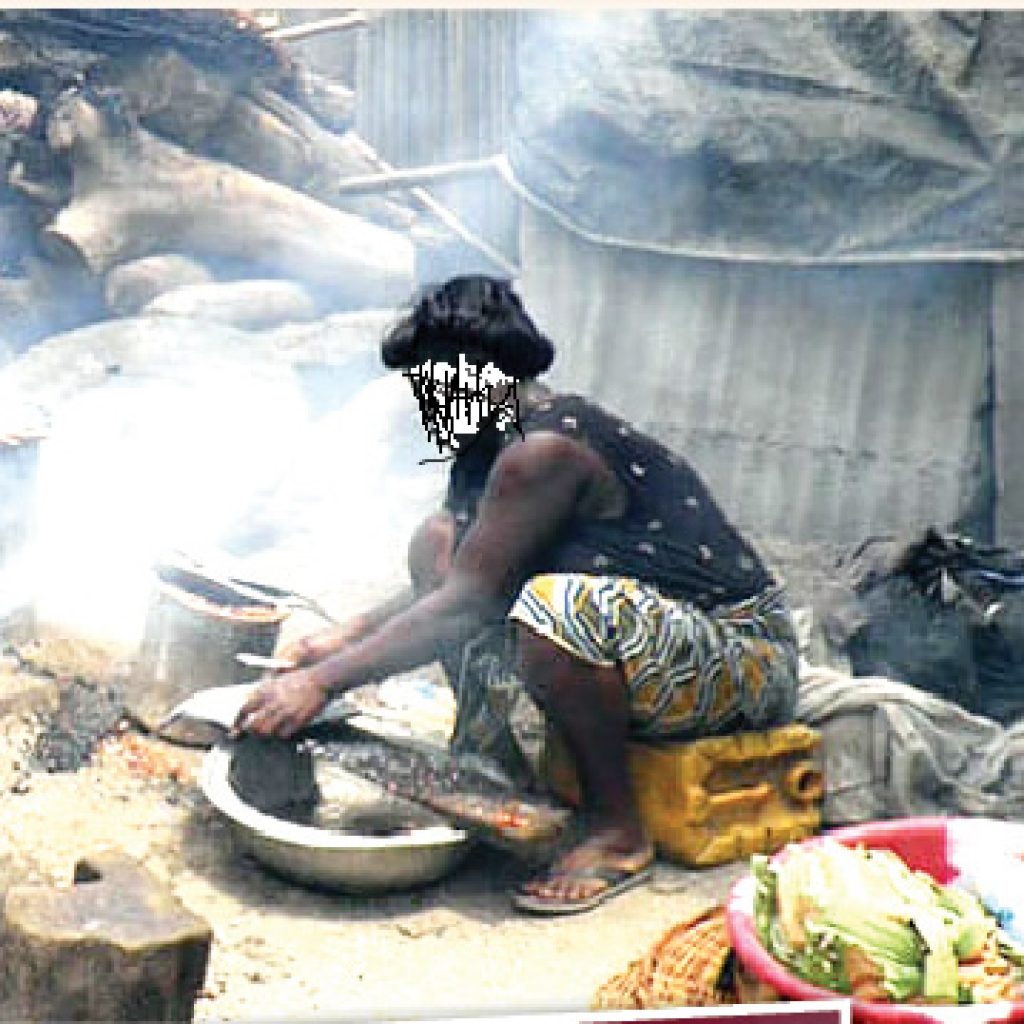
•Cooking with firewood Nigerians, especially at the grassroots, have been urged not to resort to the use of firewood as a result of the economic hardship and recent hike in the process of cooking gas. The warning came from researchers and climate change advocates at a programme held in Abuja yesterday to discuss ‘Maximising energy […]...