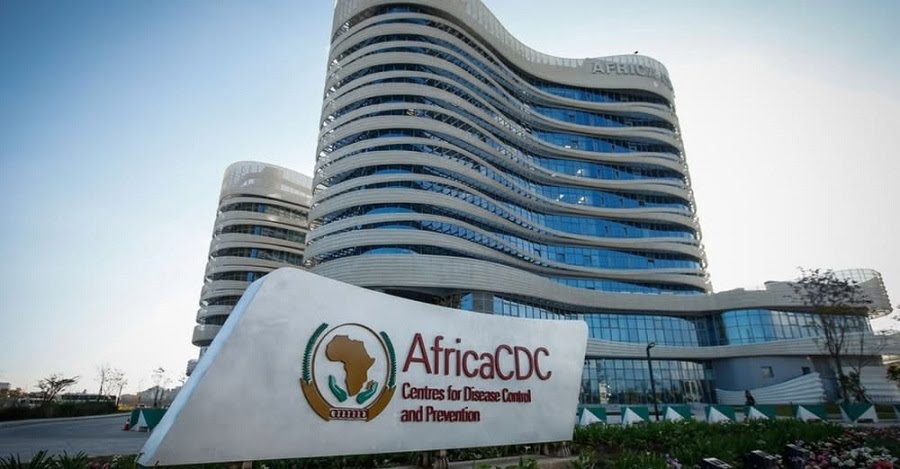
The Africa Centre for Disease Control and Prevention (Africa CDC) has declared the ongoing Bundibugyo Ebola outbreak in the Democratic Republic of the Congo and Uganda, a Public Health Emergency of Continental Security (PHECS), following rising infections, deaths and fears of wider regional transmission.
According to the agency, about 395 suspected cases and 106 deaths have so far been reported in the DRC, mainly across the Mongwalu, Rwampara and Bunia Health Zones, while Uganda has recorded two confirmed cases and one death in Kampala.
The declaration was announced on Sunday in Addis Ababa after consultations involving the African Union leadership, affected countries and regional health experts, reports The Nation.
The continental health agency said the declaration, made under Article 3, Paragraph F of its statute, empowers it to coordinate and support member states in responding to major public health emergencies across Africa.
Africa CDC said the decision followed recommendations by its Emergency Consultative Group (ECG), chaired by Professor Salim Abdool Karim, after reviewing the evolving epidemiological situation, regional risks and response capacities linked to the outbreak.
The agency expressed concern over the growing risk of cross-border transmission due to population movement, insecurity in affected areas, weak infection prevention and control systems, mining-related migration and the proximity of affected communities to Rwanda and South Sudan.
Director-General of Africa CDC, Jean Kaseya, stressed the need for urgent continental action, saying, “Today, we declare this PHECS to mobilise our institutions, our collective will, and our resources to act swiftly and decisively.
“The confirmation of the Bundibugyo ebolavirus in interconnected countries reminds us once again that Africa’s health security is indivisible. We must act early, act together, and act based on science”.
According to him, the declaration would strengthen regional coordination, support rapid mobilisation of financial and technical resources, reinforce surveillance and laboratory systems, facilitate emergency deployments and accelerate preparedness activities in neighbouring countries considered at high risk.
Kaseya also highlighted the difficult conditions surrounding the outbreak response, noting, “This outbreak is occurring in one of the most complex operational environments on the continent, marked by insecurity, population mobility, fragile health systems, and limited medical countermeasures for the Bundibugyo ebolavirus disease.
“We call upon our Member States and international partners to stand together with Africa CDC, the World Health Organization (WHO), United Nations Children’s Fund (UNICEF) and the affected countries to prevent further spread and protect our populations”.
Africa CDC disclosed that it has already deployed multidisciplinary experts, including specialists in epidemiology, laboratory systems, logistics, infection prevention and control, emergency coordination and risk communication.
The agency also announced the internal mobilisation of $2 million to support response operations across affected areas.
According to organisation, the declaration comes amid growing concerns over the absence of validated vaccines and therapeutics specifically approved for the Bundibugyo strain of the Ebola virus.
The agency said it is working with partners to assess available medical countermeasures while accelerating operational research and evidence-generation efforts to guide response strategies.
Chairman of the ECG, Professor Karim, said the outbreak demands urgent regional cooperation.
“The ECG carefully reviewed the epidemiological evidence, regional risk profile, and operational realities surrounding this outbreak.
“The interconnected nature of transmission between DRC and Uganda, combined with the challenges posed by insecurity and cross-border movement, requires urgent coordinated continental action,” he said.
Africa CDC and the World Health Organisation (WHO ) are currently coordinating response efforts through a joint Incident Management Support Team based on the “4 Ones” principle of one team, one plan, one budget and one monitoring framework.
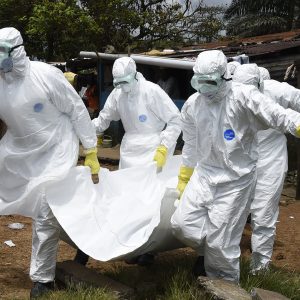
The agency noted that Ebola remains a severe and often fatal disease transmitted through direct contact with infected bodily fluids, contaminated materials or deceased persons carrying the virus.
It added that early detection, isolation, contact tracing, infection prevention measures, community engagement and safe burial practices remain critical to interrupting transmission.