

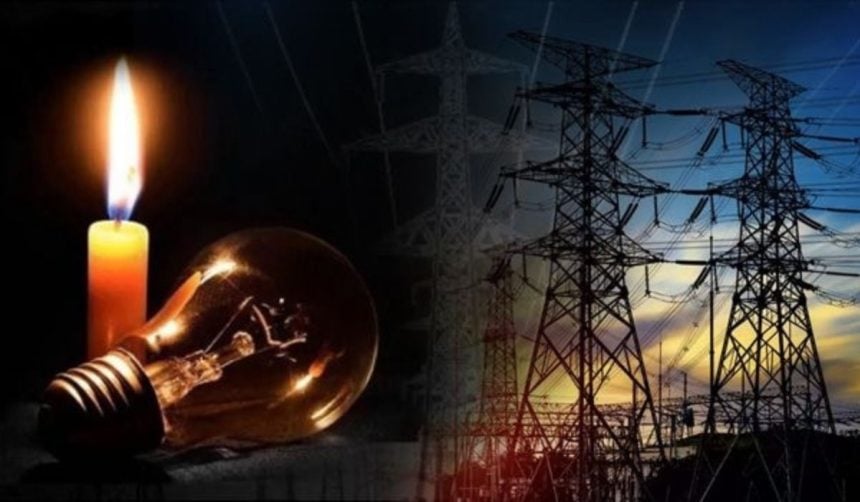
Across Nigeria, anger is mounting over rising electricity tariffs as households and businesses complain that they are paying significantly higher bills without any meaningful improvement in power supply, raising fresh concerns about energy poverty and the survival of small enterprises.
The backlash has been particularly intense among Band A customers — consumers classified as receiving a minimum of 20 hours of electricity daily and charged the highest tariff rates, reports Daily Independent.
Although the service-based tariff regime was introduced to encourage improved electricity delivery, many consumers argue that the promise of better power supply has failed to materialise.
From Lagos and Abuja to Port Harcourt, Kano, Enugu and Ibadan, residents say electricity distribution companies (DisCos) continue to issue hefty bills despite persistent outages, forcing homes and businesses to depend heavily on expensive petrol and diesel generators.
For many Nigerians, the result is a double financial burden: paying premium electricity tariffs while still spending heavily on alternative power sources.
In Lagos, fashion entrepreneur, Mrs. Bisi Adeyemi, said the tariff increases have become a major challenge for small business owners struggling to remain profitable amid rising operating costs.
“My electricity bill has almost doubled within a few months. We were told Band A customers would enjoy stable power supply, but that is not what we are experiencing. Some days we receive barely 10 to 12 hours of electricity, yet the bills keep increasing,” she said.
Small and medium-sized enterprises (SMEs) already grappling with inflation and weak consumer spending, appear to be among the hardest hit.
In Kano, Musa Ibrahim, who operates a cold-room business, said unreliable electricity has significantly raised his operating expenses.
“Electricity used to be the cheaper option compared to generators. Today, I pay huge electricity bills and still spend heavily on fuel because supply remains unstable. We are effectively paying twice for power,” he lamented.
The story is similar in the Federal Capital Territory, Abuja where business owners say soaring energy costs are threatening jobs and investment.
Esther Okonkwo, who runs a restaurant in Abuja, said she is considering reducing staff strength as electricity expenses continue to erode revenues.
“Power is critical to my business — freezers, lighting, kitchen equipment and refrigeration all depend on it. We pay premium tariffs, but outages remain frequent. If this situation continues, many SMEs may not survive,” she warned.
Consumer rights advocates have also raised concerns over the continued use of estimated billing, particularly for customers without prepaid meters.
In Enugu, civil servant, Chinedu Eze, described his monthly electricity bill as “economic punishment.”
“I have a prepaid meter, but many of my neighbours do not have. Their estimated bills are outrageous. Even when transformers break down and communities remain in darkness for days, bills still arrive without fail,” he said.
The growing dissatisfaction has triggered an increasing number of complaints from consumers seeking to be reclassified from Band A to lower tariff bands after concluding that the premium category offers little value for money.
In Port Harcourt, Engineer Tamuno Briggs, said residents in his estate had formally challenged their Band A classification.
“We have repeatedly questioned the classification because the level of supply does not match what was promised. If customers are charged premium rates, they should receive premium service,” he said.
For low-income households, rising electricity costs are becoming another source of economic hardship at a time when inflation continues to strain household budgets.
In Ibadan, a trader, Mrs. Kemi Alabi, said many families are now rationing electricity usage in an attempt to cope with escalating living costs.
“Food prices are high, transportation costs are rising, and electricity bills keep increasing. Many households now think twice before switching on appliances because every naira counts,” she said.
Analysts warn that Nigeria’s electricity sector remains trapped in a deep structural crisis that cannot be resolved through tariff increases alone.
They point to longstanding challenges including inadequate generation capacity, weak transmission infrastructure, widespread energy theft, poor metering penetration, and mounting debts across the power value chain.
According to industry experts, while cost-reflective tariffs may be necessary to attract investment and improve sector sustainability, consumers are unlikely to support further price increases without visible improvements in service delivery and greater accountability from operators.
The Nigerian Electricity Regulatory Commission (NERC) has consistently defended tariff adjustments, arguing that service-based pricing is essential for the long-term viability of the electricity market and should incentivise better service delivery.
Yet public frustration continues to grow as millions of consumers insist they are paying more while receiving little improvement in supply.
For many Nigerians, the debate over electricity tariffs has moved beyond pricing and regulation — it has become a question of economic survival.
With inflation squeezing household incomes and businesses struggling under rising operating costs, the widening gap between electricity charges and actual power supply is fast becoming one of Nigeria’s most politically sensitive economic issues.
Unless electricity supply improves and consumer confidence is restored, experts warn that higher tariffs could deepen energy poverty, weaken already fragile businesses, and intensify resistance to ongoing reforms in the country’s troubled power sector.
For an increasing number of Nigerians, the verdict is simple: paying more for unreliable electricity is no longer reform — it is a burden they can scarcely afford.