Skip to content
Tuesday 23 June 2026
  • Home
  • Advertise with us
  • Contact
The Frontier
Click to read
The Frontier
  • News
  • Crime
  • Politics
  • Headlines
  • Education
  • Health
  • Business & Economy
  • Sports
  • More
    • International
    • Religion
    • Entertainment
    • Info Tech
    • Matilda Showbiz
      • Gists
      • Music
      • Gossips
      • Oga MAT
      • Romance
    • Arts & Culture
    • Environment
    • Opinion
    • Features
    • Epistles of Anthony Kila
    • EyeCare with Dr Priscilia Imade
The Frontier
  • News
  • Crime
  • Politics
  • Religion
  • Headlines
  • Education
  • International
  • Business & Economy
  • Entertainment
  • Sports
  • Arts & Culture
  • Environment
  • Health
  • Matilda Showbiz
    • Gists
    • Music
    • Gossips
    • Oga MAT
    • Romance
  • Opinion
  • Epistles of Anthony Kila
  • EyeCare with Dr Priscilia Imade
  • Info Tech
  • Interview
The Frontier
Click to read
Business & Economy
Business & Economy

Households, businesses, organisations cry out over electricity costs amid blackouts

The FrontierThe FrontierJune 23, 2026 204 Minutes read0

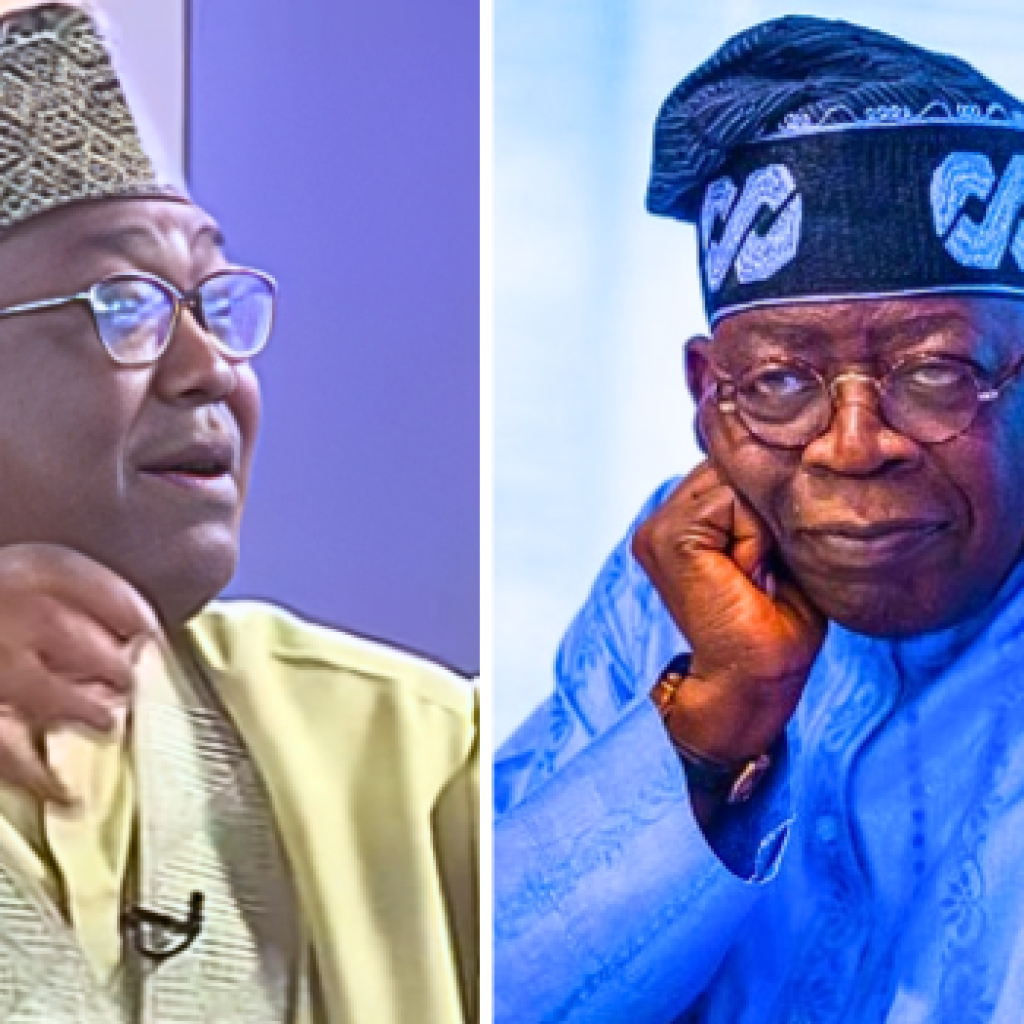
Across Nigeria, anger is mount­ing over rising electricity tariffs as households and businesses complain that they are paying significantly higher bills without any meaning­ful improvement in power supply, raising fresh concerns about ener­gy poverty and the survival of small enterprises.

The backlash has been partic­ularly intense among Band A cus­tomers — consumers classified as receiving a minimum of 20 hours of electricity daily and charged the highest tariff rates, reports Daily Independent.

Although the service-based tariff regime was introduced to en­courage improved electricity delivery, many consumers ar­gue that the promise of better power supply has failed to ma­terialise.

From Lagos and Abuja to Port Harcourt, Kano, Enugu and Ibadan, residents say elec­tricity distribution companies (DisCos) continue to issue hefty bills despite persistent outages, forcing homes and businesses to depend heavily on expensive petrol and diesel generators.

For many Nigerians, the re­sult is a double financial bur­den: paying premium electric­ity tariffs while still spending heavily on alternative power sources.

In Lagos, fashion entre­preneur, Mrs. Bisi Adeyemi, said the tariff increases have become a major challenge for small business owners strug­gling to remain profitable amid rising operating costs.

“My electricity bill has almost doubled within a few months. We were told Band A customers would enjoy stable power supply, but that is not what we are experiencing. Some days we receive barely 10 to 12 hours of electricity, yet the bills keep increasing,” she said.

Small and medium-sized enterprises (SMEs) already grappling with inflation and weak consumer spending, ap­pear to be among the hardest hit.

In Kano, Musa Ibrahim, who operates a cold-room business, said unreliable elec­tricity has significantly raised his operating expenses.

“Electricity used to be the cheaper option compared to generators. Today, I pay huge electricity bills and still spend heavily on fuel because supply remains unstable. We are ef­fectively paying twice for pow­er,” he lamented.

The story is similar in the Federal Capital Territo­ry, Abuja where business owners say soaring energy costs are threatening jobs and invest­ment.

Esther Okonkwo, who runs a restaurant in Abuja, said she is considering reducing staff strength as electricity expens­es continue to erode revenues.

“Power is critical to my business — freezers, lighting, kitchen equipment and re­frigeration all depend on it. We pay premium tariffs, but outages remain frequent. If this situation continues, many SMEs may not survive,” she warned.

Consumer rights advocates have also raised concerns over the continued use of estimat­ed billing, particularly for customers without prepaid meters.

In Enugu, civil servant, Chinedu Eze, described his monthly electricity bill as “economic punishment.”

“I have a prepaid meter, but many of my neighbours do not have. Their estimated bills are outrageous. Even when transformers break down and communities remain in dark­ness for days, bills still arrive without fail,” he said.

The growing dissatisfac­tion has triggered an increas­ing number of complaints from consumers seeking to be reclassified from Band A to lower tariff bands after concluding that the premium category offers little value for money.

In Port Harcourt, Engineer Tamuno Briggs, said residents in his estate had formally chal­lenged their Band A classifi­cation.

“We have repeatedly ques­tioned the classification be­cause the level of supply does not match what was promised. If customers are charged pre­mium rates, they should re­ceive premium service,” he said.

For low-income house­holds, rising electricity costs are becoming another source of economic hardship at a time when inflation continues to strain household budgets.

In Ibadan, a trader, Mrs. Kemi Alabi, said many fami­lies are now rationing electric­ity usage in an attempt to cope with escalating living costs.

“Food prices are high, transportation costs are ris­ing, and electricity bills keep increasing. Many households now think twice before switch­ing on appliances because ev­ery naira counts,” she said.

Analysts warn that Nige­ria’s electricity sector remains trapped in a deep structural crisis that cannot be resolved through tariff increases alone.

They point to longstanding challenges including inad­equate generation capacity, weak transmission infrastruc­ture, widespread energy theft, poor metering penetration, and mounting debts across the power value chain.

According to industry experts, while cost-reflective tariffs may be necessary to at­tract investment and improve sector sustainability, consum­ers are unlikely to support further price increases with­out visible improvements in service delivery and greater accountability from opera­tors.

The Nigerian Electrici­ty Regulatory Commission (NERC) has consistently de­fended tariff adjustments, arguing that service-based pricing is essential for the long-term viability of the electricity market and should incentivise better service de­livery.

Yet public frustration con­tinues to grow as millions of consumers insist they are pay­ing more while receiving little improvement in supply.

For many Nigerians, the debate over electricity tariffs has moved beyond pricing and regulation — it has become a question of economic surviv­al.

With inflation squeez­ing household incomes and businesses struggling under rising operating costs, the wid­ening gap between electricity charges and actual power supply is fast becoming one of Nigeria’s most politically sensitive economic issues.

Unless electricity supply improves and consumer con­fidence is restored, experts warn that higher tariffs could deepen energy poverty, weak­en already fragile businesses, and intensify resistance to on­going reforms in the country’s troubled power sector.

For an increasing number of Nigerians, the verdict is simple: paying more for unre­liable electricity is no longer reform — it is a burden they can scarcely afford.
Tags
blackoutsBusinesseselectricity costsHouseholdsOrganisations
FacebookTwitterWhatsAppLinkedInEmailLink
Previous post APC stakeholders defect to Accord Party in Kano, Jigawa, Katsina; say Tinubu has failed Nigeria, back Gbenga Hashim for 2027 presidency
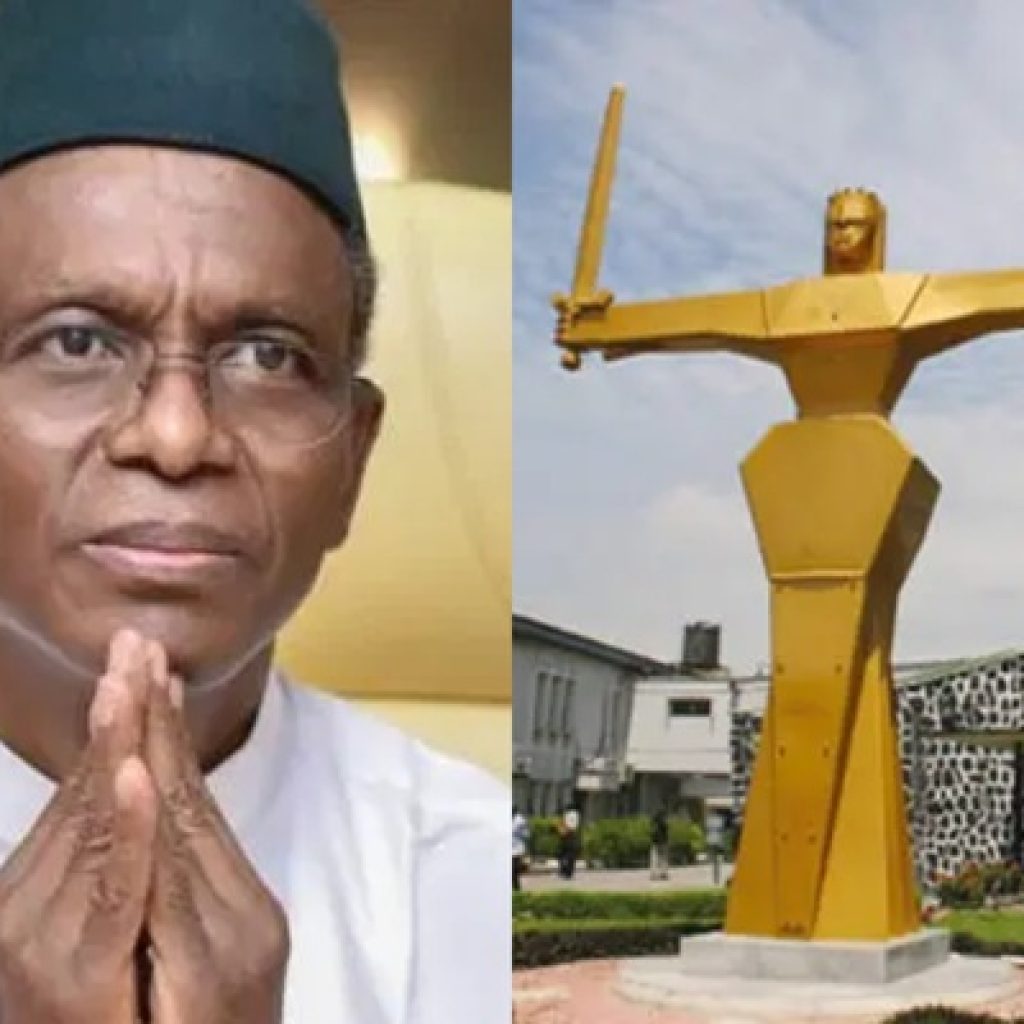
next post Embattled former Governor El-Rufai seeks dismissal of wiretapping charges as DSS closes case
Related posts
  • Related posts
  • More from author
Business & Economy

Increase in bus fares, house rents force Nigerians to live in cars, offices, shops •Over 50,000 families thrown into homelessness

June 23, 20260
Business & Economy

Stakeholders ask refiners to slash fuel prices as crude oil drops

June 23, 20260
Business & Economy

How FG can turn hot money into long-term growth — Experts

June 22, 20260
Load more
Read also
Inside Akwa Ibom Today

inside the Hill top newspaper

February 9, 20250
News

Low turnout mars Nigerian Army recruitment screening

June 23, 20260
International

US deports Nigerian after domestic violence, other crimes

June 23, 20260
Politics

Coalition raises concerns over voter apathy, BVAS glitches in Ekiti election

June 23, 20260
Crime

Embattled former Governor El-Rufai seeks dismissal of wiretapping charges as DSS closes case

June 23, 20260
Politics

APC stakeholders defect to Accord Party in Kano, Jigawa, Katsina; say Tinubu has failed Nigeria, back Gbenga Hashim for 2027 presidency

June 23, 20260
Education

States that have banned school graduation ceremonies, parties •FULL LIST

June 23, 20260
Load more

inside the Hill top newspaper

February 9, 2025

Low turnout mars Nigerian Army recruitment screening

June 23, 2026

US deports Nigerian after domestic violence, other crimes

June 23, 2026

Coalition raises concerns over voter apathy, BVAS glitches in Ekiti election

June 23, 2026

Embattled former Governor El-Rufai seeks dismissal of wiretapping charges as DSS closes case

June 23, 2026

Households, businesses, organisations cry out over electricity costs amid blackouts

June 23, 2026

inside the Hill top newspaper

0 Comments

Low turnout mars Nigerian Army recruitment screening

0 Comments

5 burnt to death scooping fuel from fallen tanker

0 Comments

Naira slumps further as dollar scarcity bites harder

0 Comments

BREAKING: Appeal Court sacks Senate Minority Leader, orders election rerun

0 Comments

Again, Trump fined $10,000 for violating gag order

0 Comments

Follow us

FacebookLike our page
InstagramFollow us
YoutubeSubscribe to our channel
WhatsappContact us
Latest news
1

inside the Hill top newspaper

February 9, 2025
2

Long queues, safety fears, others threaten Nigeria’s CNG shift

June 18, 2026
3

China releases 3 wrongfully detained Americans

November 27, 2024
4

Presidency kicks as PDP governors accuse Tinubu of untold anti-democratic actions

August 24, 2025
5

Tinubu returns to Nigeria from G20 Summit in Brazil

November 24, 2024
6

BREAKING: Tinubu declares nationwide security emergency

November 26, 2025
Popular
1

inside the Hill top newspaper

February 9, 2025
2

PDP urges Governor Bala Mohammed to remain in party

April 4, 2026
3

Former Governor Obaseki faults Okpebholo’s Supreme Court win, insists Edo poll was manipulated

July 10, 2025
4

Man runs amok, hacks son, 2 other children to death

April 8, 2026
5

Lagos govt recovers N270 million for victims of real estate fraud

May 27, 2026
6

Dangote Cement truck crushes BBNaija star Phyna sister’s leg leading to amputation

August 15, 2025

About The Frontier

The Frontier is Nigeria’s leading online newspaper. It is published by Okims Media Links Limited headed by Sunny Okim, a veteran journalist who is widely known as The Grandmaster, fondly called so by colleagues and friends for being Nigeria’s pioneer movie journalist.

Most viewed

inside the Hill top newspaper

February 9, 2025

Easter holiday: Nigerian stock market trades cautiously as investors sustain rally

April 6, 2026

Afrobeats stars Burna Boy, Davido snub Africa Music Awards show

January 17, 2026

Cholera outbreak hits Kirikiri Prison, 25 inmates affected

July 1, 2024

Notorious terrorist leader Bello Turji on the run as son, others killed during fierce battle

January 20, 2025
Top posts

Categories

  • News4681
  • Politics4309
  • Crime4072
  • International2837
  • Sports2353
  • Business & Economy2178
  • Headlines2117
  • Education1298
  • Matilda Showbiz929
  • Health827
  • Entertainment761
  • Africa516
  • Religion467
  • Environment330
  • Special266
  • Info Tech229
  • Arts & Culture227
  • Hunger protests in Nigeria224
  • Inside Akwa Ibom Today180
  • Interview179
  • Opinion150
  • EyeCare with Dr Priscilia Imade122
  • Advert30
  • Epistles of Anthony Kila19
  • Trends17
  • World Cup 20268
  • Local News5

© 2026 The Frontier, Published by Okims Media Links Limited.

designed by winnet services

  • Home
  • Advertise with us
  • Contact