
•Dr Priscilia Imade
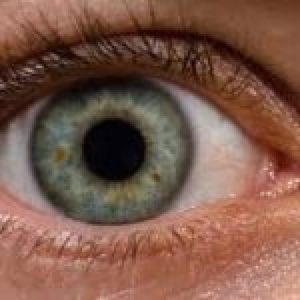
Itchy eyes refer to an irritating sensation that creates the urge to rub the eyes. They are a common eye complaint and are usually caused by allergies, irritation, or dry eyes.
Although itching is often harmless, persistent or severe, itching may indicate an underlying eye disease that requires professional evaluation.
COMMON CAUSES OF ITCHY EYES
The most common causes include eye allergies, dry eye disease, conjunctivitis (especially allergic conjunctivitis), blepharitis (inflammation of the eyelids), contact lens irritation, exposure to dust, smoke, pollen, pet dander, cosmetics, and prolonged screen use.
Less commonly, itchy eyes may be associated with certain skin conditions such as eczema.
COMMON SYMPTOMS
Besides itching, patients may experience redness, watering, burning, swollen eyelids, stringy eye discharge, a gritty or foreign body sensation, blurred vision, and sensitivity to light. Frequent rubbing may worsen these symptoms.
DANGER SIGNS
Seek immediate eye care if itching is accompanied by severe eye pain, sudden loss of vision, thick pus-like discharge, significant swelling, sensitivity to light, or if a foreign body or chemical enters the eye. These symptoms may indicate a more serious eye condition.
RISK FACTORS
People with allergies, asthma, eczema, dry eyes, contact lens wear, prolonged screen use, poor eyelid hygiene, and frequent exposure to dust, smoke, or air pollution are at greater risk of developing itchy eyes.
PREVENTION
Avoid rubbing your eyes, wash your hands regularly, reduce exposure to allergens such as dust and pollen, wear protective eyewear when necessary, practise proper contact lens hygiene, use lubricating eye drops if prescribed, take regular screen breaks using the 20-20-20 rule, and keep your environment clean.
TREATMENT
Treatment depends on the cause. Cold compresses may relieve mild swelling due to allergies or fatigue. Warm compresses can help with styes or blocked eyelid glands. Allergies may require anti-allergy medications, while bacterial infections may need prescribed antibiotics. More serious conditions may require additional medical or surgical treatment. Self-medication is discouraged.
WHAT YOU SHOULD AVOID
Avoid rubbing your eyes, sharing towels or eye medications, using unprescribed steroid eye drops, wearing contact lenses during active irritation or infection, and self-medicating without professional advice. Excessive rubbing can damage the surface of the eye and worsen the problem.
WHEN TO GO FOR EYE EXAMINATION
Consult an optometrist or ophthalmologist if itching persists for more than a few days, recurs frequently, is associated with pain, blurred vision, discharge, significant redness, or swelling, or if over-the-counter remedies fail to provide relief.
CONCLUSION
Itchy eyes are commonly caused by allergies, irritation, or dry eyes, but they can also be a sign of an underlying eye disease.
While many cases are mild, persistent or severe symptoms should never be ignored. Early diagnosis and appropriate treatment can relieve discomfort, prevent complications, and protect your vision.
*Dr Priscilia Imade is CEO, Modern Eye Clinic, Lagos. E-mail: moderneyecliniclagos@gmail.com
Another edition of the column returns on Monday in The Frontier.