
•Dr Priscilia Imade
Swollen eyes refer to puffiness or enlargement of the eyelids or the tissues surrounding the eyes. The swelling may affect one or both eyes and can range from mild to severe.
While swollen eyes are often harmless and temporary, they may also be a sign of an infection, allergy, injury, or an underlying medical condition that requires prompt attention.
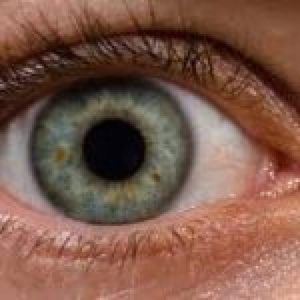
COMMON CAUSES OF SWOLLEN EYES
Common causes include allergies, eye infections such as conjunctivitis or styes, insect bites, eye injuries, blocked oil glands (chalazion), excessive crying, lack of sleep, excessive salt intake, kidney disease, thyroid disorders, and trauma to the eye.
Identifying the underlying cause is important because treatment depends on the diagnosis.
COMMON SYMPTOMS
Besides swelling, patients may experience redness, itching, pain, tearing, eye discharge, blurred vision, tenderness of the eyelids, difficulty opening the eye, or sensitivity to light. Some people may also notice swelling around the face or other parts of the body.
DANGER SIGNS
Seek immediate medical attention if the swelling is accompanied by severe eye pain, sudden loss of vision, double vision, fever, inability to move the eye normally, swelling following a serious injury, or swelling that rapidly worsens. These symptoms may indicate a serious infection or an eye emergency.
RISK FACTORS
People with allergies, poor eyelid hygiene, diabetes, weakened immunity, thyroid disease, kidney disease, chronic sinus infections, or a history of eye infections are more likely to develop swollen eyes. Poor sleep and excessive rubbing of the eyes can also increase the risk.
PREVENTION
Maintain good hand and eyelid hygiene, avoid rubbing your eyes, manage allergies effectively, remove eye makeup before sleeping, limit excessive salt intake, get adequate sleep, protect your eyes from injury, and attend regular eye examinations. Good control of diabetes, thyroid disease, and kidney disease also helps prevent recurrent swelling.
TREATMENT
Treatment depends on the cause. Cold compresses may relieve mild swelling due to allergies or fatigue. Warm compresses can help with styes or blocked eyelid glands. Allergies may require anti-allergy medications, while bacterial infections may need prescribed antibiotics. More serious conditions may require additional medical or surgical treatment. Self-medication is discouraged.
WHAT TO AVOID
Avoid rubbing swollen eyes, squeezing a stye or eyelid lump, using unprescribed eye drops or antibiotics, wearing contact lenses during an active eye infection, or ignoring persistent swelling. Delaying treatment may lead to complications.
WHEN TO GO FOR EYE EXAMINATION
Consult an optometrist or ophthalmologist if the swelling persists for more than two days, is associated with pain, redness, blurred vision, discharge, fever, or follows an eye injury.
Recurrent swollen eyes should also be evaluated to identify any underlying medical condition.
Swollen eyes are common and are often caused by allergies, infections, or irritation. However, they can sometimes signal a more serious eye or systemic disease.
Early diagnosis and appropriate treatment are essential to prevent complications and protect your vision.
Never ignore persistent or painful swelling around the eyes.
*Dr Priscilia Imade is CEO, Modern Eye Clinic, Lagos. E-mail: moderneyecliniclagos@gmail.com
Another edition of the column returns on Monday in The Frontier.