
•Dr Priscilia Imade
Every year on International Women’s Day, the global community reflects on progress toward gender equality and renews its commitment to empowering women in every sphere of life. Yet one critical area often receives little attention: women’s eye health.
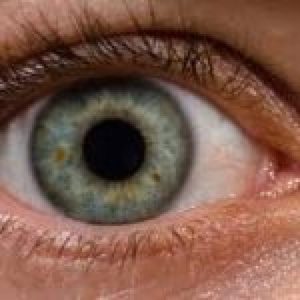

Vision is fundamental to education, productivity, independence, and quality of life. Unfortunately, women carry a disproportionate burden of visual impairment and blindness worldwide, despite the fact that many of these conditions are preventable or treatable. Addressing women’s eye health is therefore not only a health priority but also a matter of social justice.
THE HIDDEN GENDER GAP IN VISION
Globally, women account for a greater proportion of people living with visual impairment. Several factors contribute to this imbalance. Women generally live longer than men, which increases their exposure to age-related eye conditions such as cataract, glaucoma, and age-related macular degeneration.
In addition, many women face barriers to accessing eye care services. Economic dependence, limited mobility, cultural expectations, and caregiving responsibilities often make it more difficult for women to prioritise their own health.
In many communities, women delay seeking care until vision loss becomes severe. Biological factors also play a role. Hormonal changes during pregnancy, breastfeeding, and menopause can affect the eyes.
These changes may contribute to conditions such as dry eye disease or temporary visual fluctuations.
THE BURDEN OF AVOIDABLE BLINDNESS
One of the most troubling realities is that many women lose their sight from conditions that can be effectively treated. Cataract remains the leading cause of blindness worldwide, yet cataract surgery is one of the most successful and cost-effective medical procedures available today. Despite this, studies consistently show that women are less likely than men to receive cataract surgery, particularly in low- and middle-income countries.
Similarly, uncorrected refractive errors simply the need for appropriate spectacles continue to limit the educational and economic opportunities of millions of women and girls. Closing this treatment gap could dramatically reduce the global burden of avoidable blindness.
WOMEN IN THE DIGITAL AGE
The modern world has introduced new challenges for eye health. Women are increasingly active in education, business, and digital entrepreneurship, which means many spend long hours using smartphones, computers, and other digital devices. Prolonged screen use can lead to digital eye strain, headaches, blurred vision, and sleep disturbances.
For many women balancing professional responsibilities with caregiving duties, screen exposure may extend late into the night with limited opportunities for visual rest.
Simple habits such as regular breaks, proper lighting, and routine eye examinations can help protect vision in this digital era.
IMPORTANCE OF WOMEN’S EYE HEALTH
Protecting women’s vision has benefits that extend far beyond the individual. Women are often the primary caregivers in families and communities. When a woman experiences vision loss, the consequences ripple through the household, affecting childcare, education, and economic productivity.
Conversely, restoring sight can transform lives. A cataract surgery or a simple pair of spectacles can restore independence, improve livelihoods, and enhance participation in community life.
Improving women’s eye health requires deliberate action. Health systems must expand accessible and affordable eye care services, particularly in underserved communities. Public awareness campaigns should emphasise the importance of regular eye examinations for women throughout their lives.
At the policy level, national blindness prevention programs must adopt gender-responsive strategies that ensure women are not left behind.
CONCLUSION
As the world commemorates International Women’s Day 2026 with the theme “Give to Gain”, women should be given a fair chance at good eye health. We must recognise that good vision is essential for empowerment. No woman should lose her sight to preventable or treatable conditions.
Investing in women’s eye health is an investment in stronger families, healthier communities, and more equitable societies. When women can see clearly, they can learn more, achieve more, and contribute more fully to the development of our nations.
Protecting women’s vision is therefore not just a health issue, it is a vision for equality.