•Lassa fever
Director-general, Nigeria Centre for Disease Control and Prevention (NCDC), Dr Jide Idris, has identified Ondo, Bauchi, Taraba, Edo and Benue as the five high burden states for Lassa fever in the country, stressing that they account for 86 per cent of cases so far in 2026.
He called on healthcare workers, state governments, communities and all Nigerians to do their part in preventing infections, reducing deaths and strengthening preparedness for Lassa fever, reports The Guardian.
Idris, while speaking on the agency’s preparations for the 2026/2027 Lassa fever season yesterday in Abuja, stated that the disease occurs throughout the year, but cases tend to increase during the dry season, particularly between November and April, adding that NCDC plans to accelerate readiness within the period before Nigeria’s yearly Lassa fever peak period.
He noted that following the 2026 Lassa fever response, the NCDC, together with states and partners, conducted an after-action review to look carefully at what worked, what did not work as well as expected, and what they need to do differently as they prepare for the next season.
According to him, some of the key issues identified during the review include delays in seeking appropriate care, including self-treatment and seeking care at several points before Lassa fever is suspected, continued infections among healthcare workers, particularly when health facilities are under pressure, and persistent environmental and household risks.
The NCDC DG said that the agency’s approach during this period would be firmly grounded in One Health, as Lassa fever cannot be prevented and controlled by the health sector alone, adding that environment, agriculture, livestock, local governments and communities have distinct but complementary responsibilities.
Idris said that the NCDC had developed an accelerated readiness plan that focused on what needs to be done between now and the peak Lassa fever season, adding that the plan will be implemented across the country, with additional attention and resources directed to areas where the burden and risk are greatest.
He said that the NCDC would ensure samples could be transported and tested quickly, and that results get back to healthcare providers without unnecessary delay.
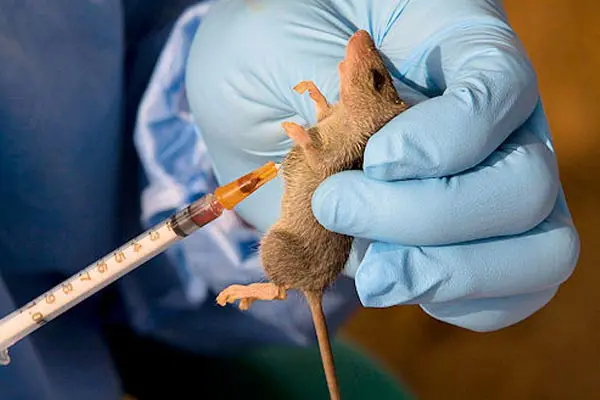
He, however, called on Nigerians to protect their food items are stored in properly covered containers, keep rodents away from their homes and, where possible, block openings through which rodents can enter your home.
Idris also called on states and local councils, particularly those with recurrent Lassa fever transmission, to use this period to strengthen their readiness, strengthen environmental sanitation and waste management, ensure that health facilities are prepared to recognise suspected cases, protect their staff, report promptly and refer appropriately.