The Minister of Power, Adebayo Adelabu, yesterday, said Nigerians spent over N20 trillion in 2023 alone buying diesel and petrol to power their generators.
He noted that for Nigeria to unlock the full potential of power sector and achieve the Nigeria Energy Transition Plan, there is need for increased investment in gas development, reports Daily Independent.
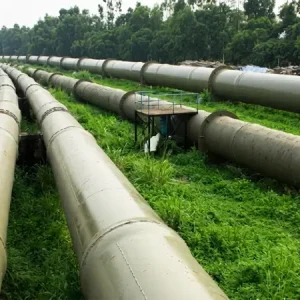
Speaking at the ongoing Nigerian Oil and Gas Conference (NOG) in Abuja, Adelabu said Nigerian power sector consumes the largest share of the country’s domestic gas supply.
“The power sector in Nigeria consumes the largest share of the country’s domestic gas supply. I am here to advocate for increased investment in Nigeria’s gas development to unlock the full potential of our power sector and achieve the Nigeria Energy Transition Plan”, he said.
Adelabu further urged the potential investors to consider the significant benefits of investing in renewable energy projects in Nigeria, stressing that the country boasts abundant resources, particularly solar, wind, and hydro energy, providing a remarkable opportunity for sustainable growth.
According to the minister, the renewable energy market has grown tremendously in the last decade, with over $1 billion leveraged by multilateral development banks.
“By channeling investments into these renewable sources, we can effectively meet our carbon emission targets while playing a crucial role in combating climate change.
“As demonstrated by our recently completed $550 million Nigeria Electrification Project, investing in renewable energy helps reduce carbon emissions, enhance energy security, and support economic development. Additionally, to complement the NEP, the $750 million DARES project would provide electricity to 2.5 million people in Nigeria by deploying solar home systems and mini-grids. These investments will propel Nigeria toward achieving its desired energy mix and transition targets.
“As demonstrated by our recently completed $550 million Nigeria Electrification Project, investing in renewable energy helps reduce carbon emissions, enhance energy security, and support economic development. Additionally, to complement the NEP, the $750 million DARES project would provide electricity to 2.5 million people in Nigeria by deploying solar home systems and mini-grids. These investments will propel Nigeria toward achieving its desired energy mix and transition targets”, he said.