Oil marketers have advocated for a reduction in the pump price of diesel to N700 per litre to help improve the distribution of petrol across the country.
The President of the Natural Oil and Gas Suppliers Association of Nigeria (NOGASA), Mr. Benneth Korie Doi, stated today in Abuja that the high cost of diesel used by trucks is a significant barrier to the efficient distribution of petrol nationwide, reports Vanguard.
The country has been experiencing another round of petrol scarcity for over six weeks, with NNPC Limited attributing the shortage to distribution challenges.
Mr. Doi said: “Regarding the prices of Automated Gas Oil (AGO), with Dangote’s refinery production and crude oil transactions in Naira, we expect a reduction in AGO prices. NNPC should leverage its shares in Dangote’s refinery to drive down these costs, which will, in turn, lower transportation expenses and reduce market prices.”
He emphasised the need for the government to create a competitive downstream sector in the petroleum industry, arguing that monopolies are detrimental.
According to him, “We must foster a competitive environment to ensure the healthy circulation of petroleum products. I commend Aliko Dangote for his monumental contribution to our industry through the establishment of the largest refinery in Nigeria.
“This development promises substantial benefits, including enhanced supply, increased competition, and a boost to our national economy and currency.
“To ensure balanced distribution, I urge that Dangote’s refined products be made available to a broader range of stakeholders, including NNPC Trading, NNPC Retail, DAPPMAN, MOMAN, IPMAN, PETROAN, and NOGASA. This inclusivity will facilitate sustainable and widespread distribution across the country,” he added.
Mr. Doi also stressed that the government must do more to curb rising inflation, which he identified as the core of Nigeria’s economic woes.
“Addressing inflation and promoting economic stability requires prioritizing agriculture. To counter rising costs, the government should make farming more attractive and profitable by subsidizing agricultural inputs and equipment.
“Reliance on unsustainable palliatives is not the solution. Instead, increasing budget allocations for agriculture and encouraging cluster farming will significantly boost food production. Extension workers should be deployed to educate farmers on modern techniques such as irrigation and fumigation.
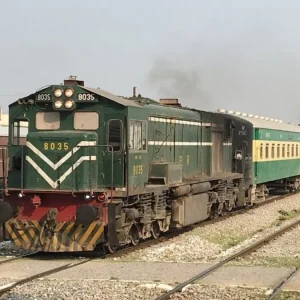
“Improving our transportation network is also essential. Expanding and revamping railways, especially for bulk cargo, will enhance logistics, and adequate attention must be given to road networks, with prompt payments to contractors and prioritisation of emergency repairs.
“Multiple taxation remains a critical concern, and excessive and double taxation by various government levels must be addressed to create a fairer business environment,” he maintained.