


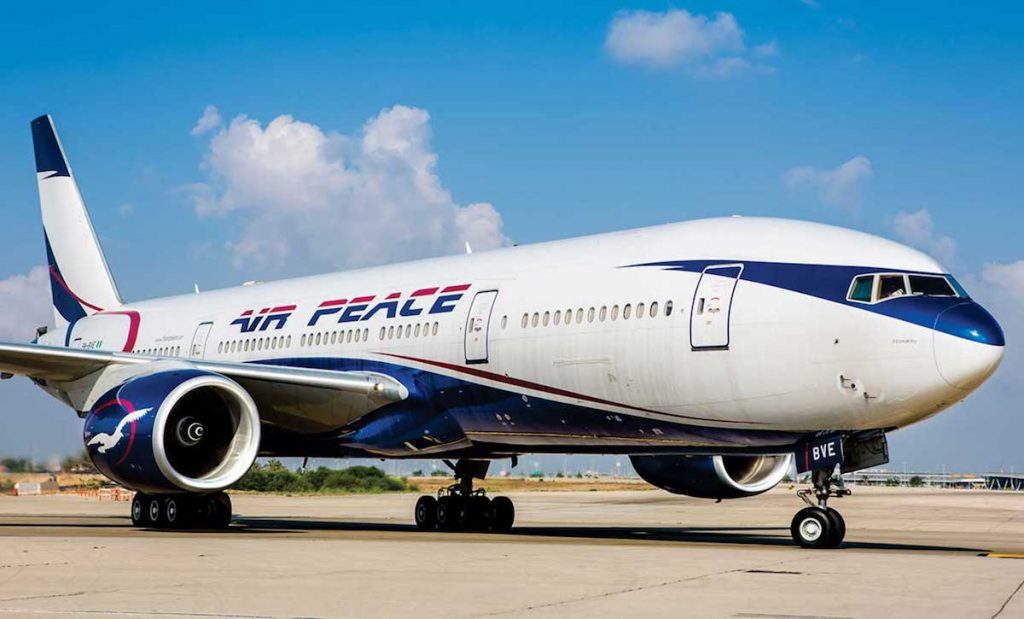
Air Peace Limited has attributed the flight disruptions experienced at the Nnamdi Azikiwe International Airport, Abuja, to the unavailability of Jet A1 aviation fuel and subsequent operational restrictions that prevented its Abuja–Maiduguri service from operating as scheduled.
The airline, in a statement issued by its management, said the initial delays affected its Abuja operations as well as those of other airlines operating from the airport, following a shortage of aviation fuel.
According to the airline, its affected flights commenced operations after fuel became available, but the Abuja–Maiduguri service could not subsequently operate as planned because of prevailing visual flight rules (VFR) conditions and restrictions on flying beyond sunset, reports Sunday Independent.

The clarification came amid reports and video footage circulating in the media and on social media showing passengers expressing frustration over the disruptions.
Air Peace said the initial delays were caused by the unavailability of Jet A1, a type of aviation fuel used by commercial aircraft, adding that the situation affected several airlines operating from Abuja.
“Upon the availability of fuel, our affected flights commenced operations accordingly,” the airline said.
However, the carrier explained that the Abuja–Maiduguri flight encountered a separate operational challenge after an extension had initially been granted to enable the service to operate.
According to the statement, by the time the aircraft was ready for boarding, prevailing VFR conditions meant that the extension could no longer be sustained, as the flight could not operate beyond sunset.
Visual flight rules govern aircraft operations under specified weather and visibility conditions that allow pilots to navigate primarily by visual reference.
The airline’s explanation suggests that the prevailing conditions and the applicable sunset restriction prevented the delayed flight from departing within the permitted operational window.
Air Peace did not specify the duration of the initial fuel-related delays, the number of passengers affected or the precise time the Abuja–Maiduguri flight was scheduled to depart.
The airline, however, said it took steps to provide assistance to passengers throughout the disruption, including informing them of the delays and providing refreshments.
It added that following the cancellation of the Maiduguri service, affected passengers were provided with hotel accommodation, while arrangements were made to operate the flight the following day.
“Throughout the disruption, passengers were duly informed of the delays and provided with refreshments,” the statement said.
“Following the cancellation, affected passengers were also provided with hotel accommodation, with arrangements made to operate the flight the following day.”
The airline expressed regret over the inconvenience caused to passengers, acknowledging the concerns raised during the disruption.
It also thanked affected travellers for their patience and understanding, maintaining that passenger safety and wellbeing remained central to its operations.
“We sincerely regret the inconvenience caused to our esteemed passengers and appreciate their patience and understanding,” the airline said. “At Air Peace, the safety and wellbeing of our passengers remain paramount, and we will continue to prioritise these considerations in all our operations.”
The disruption highlights the operational challenges airlines can face when aviation fuel supplies are interrupted, particularly when delays subsequently affect flight schedules and bring services close to the end of their permitted operating periods.
For passengers, such disruptions can result in missed connections, prolonged waiting times and unplanned overnight stays, even when airlines make arrangements for refreshments and accommodation.
Air Peace did not disclose whether the fuel shortage at Abuja had been fully resolved or whether other flights were affected beyond the initial delays and the cancelled Abuja–Maiduguri service.
The airline’s statement also did not identify the fuel supplier involved or indicate whether it would seek compensation for any operational losses arising from the disruption.