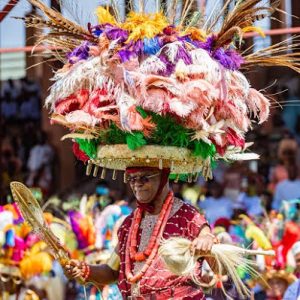
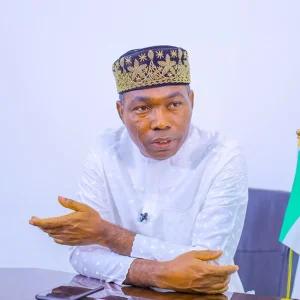
•Captain Johnson Anozie (in Igbo native attire) inspecting the replicas of the Igboukwu bronze, his family heritage
Yesterday, Thursday, March 27, 2025, the University of Cambridge, Faculty of Archaeology in the United Kingdom hosted a memorable exhibition showcasing the exquisite 3D bronze replicas of the historic Igboukwu Bronzes. Funded by a grant from Cambridge-Africa and with additional support from the Factum Foundation, the project was a testament to the dedication of scholars and cultural preservationists.

The Frontier reports that the Igboukwu Bronzes, discovered in the early 20th century, remain a symbol of the artistic excellence and metallurgical mastery of the ancient Igbo people.
Igboukwu is a large clan in the present Anambra State, South-East of Nigeria. Renowned for their elaborate craftsmanship, these artifacts reflect the rich cultural heritage of Igboukwu.

•Daughter and grand daughter of Professor Thurstan Shaw, CBE ( Onu Na Ekwulu Ora of Igbo-Ukwu) pose with Captain Johnson Anozie
The exhibition, which was covered by The Frontier correspondent in UK, provided attendees with a rare opportunity to admire the stunning replicas before they are returned to Nigeria.
A Family’s Custodianship for Community Benefit
A significant highlight of the event was the recognition of the Anozie family, descendants of the original custodians of the Igboukwu Bronzes.
Captain Johnson Anozie, an Officer of The Salvation Army and grandchild of Igbo Richard, spoke on behalf of the families of Igbo Isaiah, Igbo Richard, and Igbo Jonah Anozie. He expressed deep appreciation for the efforts made to preserve and celebrate their ancestral heritage.

In his words: “This project is not just about art or archaeology; it is about restoring dignity to a people and honoring the legacy of our ancestors. We are grateful to all those who contributed to making this possible. As the replicas return home, we are committed to ensuring they remain a symbol of pride, education, and unity for the Igboukwu community.”
It was learnt that, upon their return to Nigeria, the replicas will be permanently housed in the state-owned museum in Igboukwu, ensuring that the people of Igboukwu and visitors alike can easily access and learn from these cultural treasures. Under the custodianship of the Anozie family, the bronzes will serve as a resource for schools, museums, and cultural institutions, preserving the heritage for generations to come.

•Dr Ferdinand (right) with Captain Johnson Anozie and other Igboukwu sons
A Gathering of Legacy and Celebration
The event brought together a distinguished gathering of scholars, dignitaries, and family members deeply connected to the legacy of the Igboukwu Bronzes. Among the attendees was Dr Pamela Jane Smith Shaw Ezenwanyi, who played a key role in supporting the project, contributing both financially and intellectually. Also present were Professor Thurston Shaw’s wife, as well as his daughter and granddaughter, representing the enduring academic and personal ties to the excavation and preservation of the bronzes.
The Anozie family was further represented by Chinenyewa Anozie, the grandchild of Igbo Isaiah, adding to the emotional significance of the day. Many Igboukwu indigenes residing in the UK also attended, alongside university students, faculty members, and other distinguished guests.
The collective presence of these individuals underscored the importance of this moment in cultural history.
A Call for Continued Support
While the exhibition celebrated a significant milestone, Captain Anozie used the occasion to make a heartfelt appeal for continued support.
“Preserving our heritage is not a one-time effort. It requires ongoing commitment and collaboration. We invite institutions, scholars, and well-meaning individuals to continue supporting projects like this, ensuring that the stories of our ancestors are never forgotten,” he said.

The Igboukwu Bronzes, now set to return to their rightful home, will stand as a reminder of the resilience, creativity, and enduring legacy of the Igbo people. Through the combined efforts of the Anozie family, scholars, and the wider community, this treasured history will remain alive — a beacon of cultural pride and learning for future generations.