Skip to content
Thursday 15 October 2026
  • Home
  • Advertise with us
  • Contact
The Frontier
Click to read
The Frontier
  • News
  • Crime
  • Politics
  • Headlines
  • Education
  • Health
  • Business & Economy
  • Sports
  • More
    • International
    • Religion
    • Entertainment
    • Info Tech
    • Matilda Showbiz
      • Gists
      • Music
      • Gossips
      • Oga MAT
      • Romance
    • Arts & Culture
    • Environment
    • Opinion
    • Features
    • Epistles of Anthony Kila
    • EyeCare with Dr Priscilia Imade
The Frontier
  • News
  • Crime
  • Politics
  • Religion
  • Headlines
  • Education
  • International
  • Business & Economy
  • Entertainment
  • Sports
  • Arts & Culture
  • Environment
  • Health
  • Matilda Showbiz
    • Gists
    • Music
    • Gossips
    • Oga MAT
    • Romance
  • Opinion
  • Epistles of Anthony Kila
  • EyeCare with Dr Priscilia Imade
  • Info Tech
  • Interview
The Frontier
Click to read
Business & Economy
Business & Economy

Electricity: Distribution Companies pocket N2.3 trillion despite erratic power supply

The FrontierThe FrontierMarch 10, 2026 1753 Minutes read0

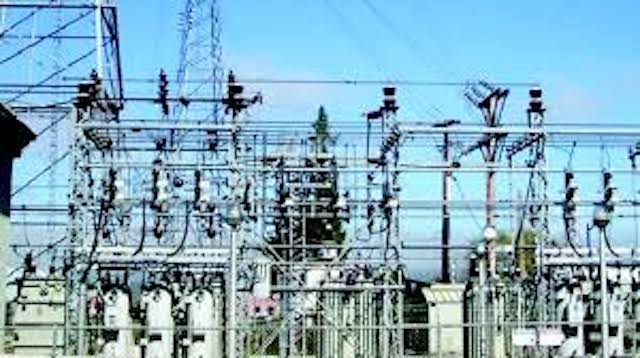
•An electricity station

Nigeria’s electricity distribution companies recorded a combined revenue of about N2.33 trillion in 2025, despite persistent consumer complaints over poor service delivery, estimated billing, and frequent power outages across the country.

An analysis of monthly revenue data from the Nigerian Electricity Regulatory Commission showed that the 12 power distribution companies generated N2.325tn from electricity customers during the year, reports The PUNCH.

SDP Poster Layout

The figure represents a significant rise compared to the about N1.8tn collected in 2024, indicating an increase of roughly N525bn, or about 29 per cent year-on-year growth.

The rise in collections comes at a time when many electricity consumers continue to complain about unreliable supply and increasing tariffs under Nigeria’s partially deregulated electricity market.

According to the regulator’s data, the distribution companies collectively earned N553.63bn in the first quarter of 2025. Revenue collections increased slightly in the second quarter, reaching N564.71bn, reflecting improved tariff enforcement and stronger billing by the utilities.

Monthly data for the second half of the year showed sustained high collections. In July 2025, the companies recorded revenue of N193.96bn, which declined slightly by N2.85bn, or about 1.5 per cent, to N191.11bn in August, according to the regulator’s factsheet.

Collections, however, rebounded in the following months. In September, revenue increased to N196.26bn, representing a N5.15bn rise, or about 2.7 per cent, compared to August.

The upward trend continued in October, when collections climbed to N210bn, marking an increase of N13.74bn, or roughly seven per cent, from September.

Revenue dipped marginally in November to N208.78bn, reflecting a decline of N1.22bn, or about 0.6 per cent, from October. By December, collections slipped further to N207bn, a drop of N1.78bn, or around 0.9 per cent, compared to November.

The data indicate that monthly electricity payments by consumers consistently hovered between N190bn and N210bn in the second half of the year. The commission also highlighted that December billing fell by four per cent compared to the N269.43bn billed in November.

Despite this, collection efficiency saw a marginal increase, rising to 80.22 per cent in December from 77.49 per cent the previous month. The factsheet further indicated that the total value of energy received by DisCos in December was N309.65bn, representing a 9.54 per cent decrease from N342.29bn in November.

According to NERC, Eko Electricity Distribution Company recorded the strongest revenue recovery performance at 99.45 per cent, reflecting near-full recovery of allowed revenues.

“Yola (87.89 per cent), Ikeja (85.32 per cent), and Abuja (84.43 per cent) also delivered strong recovery performance,” the commission said. “Benin (71.36 per cent), Ibadan (73.19 per cent), Enugu (73.50 per cent), and Port Harcourt (79.29 per cent) recorded moderate recovery levels.”

According to NERC, the figures provide a clear insight into how efficiently DisCos are billing, collecting and recovering revenue—key indicators for enhancing liquidity and improving service delivery across the Nigerian Electricity Supply Industry.

The rising revenue figures come despite widespread criticism of the distribution companies’ service quality. Many households and businesses across Nigeria continue to experience erratic electricity supply, frequent feeder outages, and disputes over estimated billing.

Consumer advocacy groups have repeatedly accused distribution companies of prioritising revenue collection while failing to make adequate investments in network upgrades and metering.

Under Nigeria’s power market structure, distribution companies serve as the final link in the electricity value chain, responsible for delivering power from the national grid to homes and businesses and collecting payments from consumers.

Analysts attribute the surge in revenue partly to tariff adjustments implemented in recent years, particularly the introduction of cost-reflective pricing for certain customer categories.

These reforms were designed to improve liquidity across the power sector, which has long struggled with revenue shortfalls affecting generation and transmission investments.

However, critics argue that the tariff increases have not translated into commensurate improvements in electricity supply. Nigeria’s electricity industry has faced persistent structural challenges since the privatisation of the sector in 2013.

While private investors acquired the distribution companies, the sector has struggled with infrastructure deficits, high technical losses, weak metering coverage, and liquidity constraints.

Power generation in the country often fluctuates between 3,000MW and 5,000MW, far below the estimated demand of more than 20,000MW for Africa’s most populous nation.

Frequent grid disturbances, gas supply shortages to power plants and ageing transmission infrastructure have further complicated the sector’s performance.

Despite these challenges, electricity payments from consumers continue to rise annually, raising concerns among stakeholders about the growing financial burden on households and businesses.

Energy experts say that unless improvements in power generation, transmission capacity and distribution networks occur simultaneously, increased revenue collections alone may not translate into better electricity supply for Nigerians.

Tags
Distribution Companieselectricityerratic power supplyN2.3 trillion
FacebookTwitterWhatsAppLinkedInEmailLink
Previous post Lagos school collapse: How we escaped – Students narrate their near-death experiences
next post Medical consultants warn of system collapse amid worsening brain drain
Related posts
  • Related posts
  • More from author
Business & Economy

Nigerian manufacturers slam banks, FG policy bias for imports

October 14, 20260
Business & Economy

30-day petrol discount: IMF warns Nigeria against restoring petrol subsidy

October 14, 20260
Business & Economy

13% derivation not enough for oil-producing states – Former President Obasanjo

October 13, 20260
Load more
Read also
Inside Akwa Ibom Today

inside the Hill top newspaper

February 9, 20250
Politics

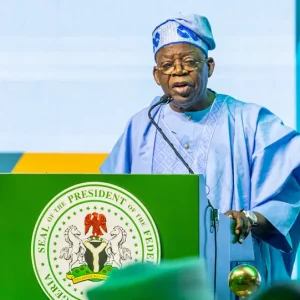
BREAKING: Tinubu excuses self from APC 2027 election campaign tours, says “I won’t go everywhere with you”

October 14, 20260
Politics

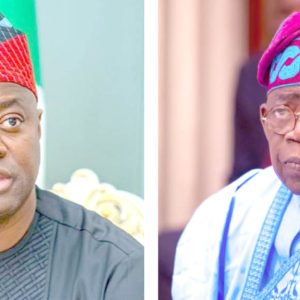
2027: Governor Makinde’s campaign mocks Tinubu’s team as ‘coalition of failed politicians’

October 14, 20260
Politics

Nigeria Airways: Tinubu clearing mess your government created — Aviation minister Keyamo tells Atiku

October 14, 20260
Politics

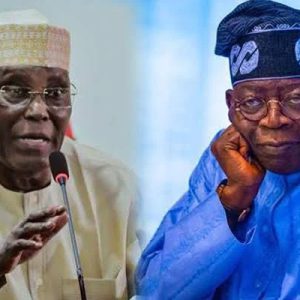
2027: Nigerians won’t renew a mandate of hardship — Former Vice President Atiku tells Tinubu

October 14, 20260
Education

7.6 million Nigerian girls out of school — Foundation warns

October 14, 20260
Politics

Obidient Movement to Wike: Stay off 2027 elections, demands electoral integrity from INEC

October 14, 20260
Load more

inside the Hill top newspaper

February 9, 2025

BREAKING: Tinubu excuses self from APC 2027 election campaign tours, says “I won’t go everywhere with you”

October 14, 2026

2027: Governor Makinde’s campaign mocks Tinubu’s team as ‘coalition of failed politicians’

October 14, 2026

Nigeria Airways: Tinubu clearing mess your government created — Aviation minister Keyamo tells Atiku

October 14, 2026

2027: Nigerians won’t renew a mandate of hardship — Former Vice President Atiku tells Tinubu

October 14, 2026

7.6 million Nigerian girls out of school — Foundation warns

October 14, 2026

inside the Hill top newspaper

0 Comments

BREAKING: Tinubu excuses self from APC 2027 election campaign tours, says “I won’t go everywhere with you”

0 Comments

5 burnt to death scooping fuel from fallen tanker

0 Comments

Naira slumps further as dollar scarcity bites harder

0 Comments

BREAKING: Appeal Court sacks Senate Minority Leader, orders election rerun

0 Comments

Follow us

FacebookLike our page
InstagramFollow us
YoutubeSubscribe to our channel
WhatsappContact us
Latest news
1

inside the Hill top newspaper

February 9, 2025
2

Man charged with defamation of police officer on Facebook, WhatsApp

September 4, 2024
3

72-year-old man bags life jail for defiling minor

July 8, 2024
4

Man declared dead wakes up during final funeral rites

November 23, 2024
5

No air traffic control at California airport amid US govt shutdown — Governor

October 7, 2025
6

Transgender women banned at Olympics

July 23, 2025
Popular
1

inside the Hill top newspaper

February 9, 2025
2

Lagos Assembly urges government support for schoolgirl suffering teargas injury

February 15, 2024
3

US companies that sponsor H-1B visas for foreign workers •FULL LIST

March 1, 2025
4

Lagos-Calabar Coastal Highway: Protesters storm Lagos High Court, demand restitution for demolition victims

July 18, 2025
5

Terrorists relocate after US air strikes in Nigeria •Sambisa Forest under surveillance by Trump’s military

December 28, 2025
6

BREAKING: NNPCL officially increases petrol price in Abuja, Lagos

October 9, 2024

About The Frontier

The Frontier is Nigeria’s leading online newspaper. It is published by Okims Media Links Limited headed by Sunny Okim, a veteran journalist who is widely known as The Grandmaster, fondly called so by colleagues and friends for being Nigeria’s pioneer movie journalist.

Most viewed

inside the Hill top newspaper

February 9, 2025

Premier League win: Enugu governor splashes land, N100 million on Rangers International players

June 4, 2026

Yuletide: Security agents make highway hell for us — Travellers

December 18, 2024

Nigerian doctors to Tinubu: Consider citizens’ welfare, reverse petrol price hike

September 5, 2024

State governor orders preachers to submit sermons to him in advance for approval

September 15, 2025
Top posts

Categories

  • News5140
  • Politics4849
  • Crime4610
  • International3215
  • Sports2586
  • Business & Economy2375
  • Headlines2285
  • Education1448
  • Matilda Showbiz1047
  • Health939
  • Entertainment884
  • Africa615
  • Religion499
  • Environment399
  • Special279
  • Info Tech262
  • Arts & Culture243
  • Inside Akwa Ibom Today231
  • Hunger protests in Nigeria224
  • Interview196
  • Opinion158
  • EyeCare with Dr Priscilia Imade137
  • World Cup 202695
  • Advert36
  • Trends25
  • Epistles of Anthony Kila19
  • Local News5
  • The Surge4

© 2026 The Frontier, Published by Okims Media Links Limited.

designed by winnet services

  • Home
  • Advertise with us
  • Contact