
•Dr Priscilia Imade
Blepharitis is a common, long-term inflammation of the eyelid margins, particularly around the base of the eyelashes. It is not usually sight-threatening, but it can cause significant discomfort and may recur if not properly managed. Good eyelid hygiene is the cornerstone of treatment.
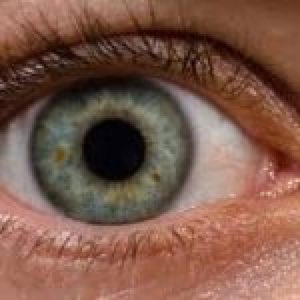
COMMON CAUSES OF BLEPHARITIS
Blepharitis may result from bacterial overgrowth on the eyelids, blockage of the oil-producing (Meibomian) glands, dandruff of the scalp or eyebrows, seborrhoeic dermatitis, rosacea, allergies, dry eye disease, or infestation of the eyelashes by tiny mites (Demodex). In many people, more than one factor is responsible.
COMMON SYMPTOMS
Patients commonly experience itchy, red, or burning eyes, swollen eyelids, crusting around the eyelashes (especially on waking), excessive tearing, a gritty or foreign body sensation, sticky eyelids, sensitivity to light, and fluctuating blurred vision. Some may also lose eyelashes or notice recurrent styes or chalazia.
DANGER SIGNS
Seek immediate eye care if blepharitis is associated with severe eye pain, marked redness of the eye, sudden blurred vision, sensitivity to light, swelling that spreads around the face, or if symptoms fail to improve despite proper eyelid hygiene and treatment. These may indicate a more serious eye condition.
RISK FACTORS
People with dandruff, rosacea, dry eye disease, oily skin, poor eyelid hygiene, allergies, diabetes, and recurrent styes are more likely to develop blepharitis. The condition is also more common in older adults and contact lens wearers.
PREVENTION
Maintain good eyelid hygiene by cleaning the eyelid margins regularly, wash your hands before touching your eyes, remove eye makeup before sleeping, manage dandruff and skin conditions, avoid rubbing your eyes, practise proper contact lens hygiene, and attend regular eye examinations.
TREATMENT
Treatment focuses on keeping the eyelids clean and reducing inflammation. Warm compresses followed by gentle eyelid cleaning are the mainstay of treatment. Lubricating eye drops may relieve associated dry eyes.
In some cases, your eye care professional may prescribe antibiotic ointments, antibiotic tablets, or anti-inflammatory medications. Long-term eyelid hygiene is essential to prevent recurrence.
WHAT TO AVOID
Avoid rubbing your eyes, sharing towels or eye cosmetics, using expired eye makeup, squeezing eyelid lumps, wearing contact lenses during active inflammation, or self-medicating with steroid eye drops without professional advice.
WHEN TO VISIT AN EYE DOCTOR
Consult an optometrist or ophthalmologist if your symptoms persist despite good eyelid hygiene, recur frequently, are associated with pain, blurred vision, or swelling, or if you develop recurrent styes or chalazia.
Early treatment can prevent complications and improve comfort.
Blepharitis is a common but manageable eyelid condition. Although it is rarely sight-threatening, it can become chronic and recurrent if neglected.
Regular eyelid hygiene, early diagnosis, and appropriate treatment are the keys to relieving symptoms, preventing complications, and maintaining healthy eyes.
*Dr Priscilia Imade is CEO, Modern Eye Clinic, Lagos. E-mail: moderneyecliniclagos@gmail.com
Another edition of the column returns on Monday in The Frontier.