


•Dr Priscilia Imade
Common eye conditions affect people of all ages and lifestyles. When you understand these conditions, you are better equipped to recognise early signs, seek timely care and prevent avoidable vision loss.
Awareness does not replace professional diagnosis, but it empowers you to act responsibly.

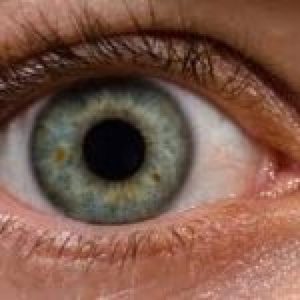
There are different types of eye conditions but we will discuss the common ones. These include:
1. REFRACTIVE ERRORS
This refers to eye problems such as myopia, hyperopia and astigmatism. You experience refractive errors when your eyes do not focus light properly. This may cause blurred vision at distance, near, or both. You may notice difficulty reading, squinting, eye strain, or headaches. Refractive errors are among the most common eye conditions and are usually corrected with spectacles, contact lenses, or other professional interventions. Avoid assuming that blurred vision is normal or permanent without proper assessment.
2. DRY EYE DISEASE
Dry dry eye disease can be developed when your eyes do not produce enough tears or when the tear quality is poor. You may feel burning, grittiness, redness, or fluctuating vision. Prolonged screen use, air-conditioned environments, aging and certain medications can worsen symptoms.
Dry eye is a medical condition that requires proper evaluation and management not just occasional eye drops. Always visit your optometrist for the diagnosis and management of dry eye diseases.
3. ALLERGIC EYE CONDITIONS
Eye allergies are due to dust, pollen, smoke, cosmetics, or environmental irritants. Symptoms often include itching, redness, tearing, and swelling of the eyelids. Avoid rubbing your eyes, as this can worsen inflammation and cause injury. Seek professional care to identify triggers and receive safe, appropriate treatment.
4. EYE INFECTIONS
Eye infections occur when bacteria, viruses or other organisms affect the eye or surrounding tissues. You may notice redness, discharge, pain, swelling, or blurred vision.
Eye infections are contagious in many cases and should be treated promptly. Avoid self-medication and understand that delayed treatment can lead to complications.
5. GLAUCOMA
Glaucoma is a group of conditions that damage the optic nerve, often without early symptoms. Vision loss from glaucoma is usually gradual and irreversible.
The importance of regular eye examinations, especially if you have a family history, increasing age or other risk factors. You understand that early detection and consistent treatment preserve remaining vision.
6. CATARACT
Cataracts are developed when the natural lens of the eye becomes cloudy. You may notice blurred or dim vision, glare from lights, difficulty seeing at night or faded colors.
You must understand that cataracts are commonly age-related but can occur earlier due to injury, medical conditions, or medication use. Cataracts are treatable and that timely care restores quality of vision.
7. DIABETIC EYE DISEASE
For people who have diabetes, they are prone to developing diabetic eye diseases because the high blood sugar levels can damage the blood vessels in the eyes. This may lead to vision changes, bleeding inside the eye or vision loss. Diabetic eye disease can progress without symptoms.
Therefore commit to regular eye examinations and good blood sugar control to protect your vision.
8. PRESBYOPIA
As you grow older, you experience presbyopia which is a natural age-related condition that affects near vision. This condition makes it difficult to read small print or see clearly at close distances. This change is normal but manageable with appropriate visual correction. Do not ignore the signs or strain your eyes unnecessarily.
9. CHILDHOOD EYE CONDITIONS
Children can also have eye conditions such as refractive errors, crossed eyes or lazy eye. Early detection is important for normal visual development. Ensure that children receive proper eye examinations rather than assuming they will outgrow vision problems.
Finally, take action through awareness because common eye conditions helps you respond appropriately, not fearfully. Do not diagnose yourself or others, but you remain alert to changes in vision and eye comfort. Seek professional eye care promptly, follow advice consistently, and make informed choices that protect your sight.
Your eyes communicate through symptoms. When you listen early and act wisely, you preserve vision and quality of life. Ensure to have a regular eye examination this new year.
*Dr Priscilia Imade is CEO, Modern Eye Clinic, Lagos. E-mail: moderneyecliniclagos@gmail.com
Another edition of the column returns on Monday in The Frontier.