•Dr Priscilia Imade
INTRODUCTION
We are continuing our discussion on the different eye conditions by beaming our search light on Myokymia also called eyelid-twitching which is a common eye condition.
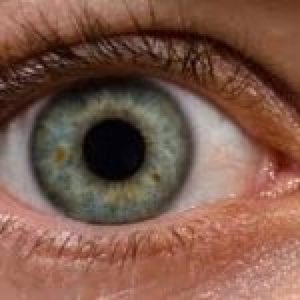
Myokymia is the involuntary, repeated twitching or quivering of the eyelid muscles. It commonly affects the lower eyelid but the upper eyelid can also be involved.
The twitching may come and go and can last for a few seconds, minutes, days, or even weeks. Most cases are mild and not dangerous.
CAUSES OF EYELID TWITCHING
Several factors can trigger eyelid twitching, including:
* Lack of sleep or fatigue
* Stress and anxiety
* Excessive use of digital screens
* Eye strain
* Too much caffeine intake
* Alcohol consumption
* Dry eyes
* Irritation of the eyes
* Allergies
* Smoking
* Certain medications
* Nutritional deficiencies, especially low magnesium levels
In rare cases, persistent twitching may be linked to nerve or brain disorders.
SYMPTOMS
Common symptoms include:
* Repeated involuntary twitching of the eyelid
* Mild fluttering or pulsing sensation
* Twitching that comes and goes
* Increased twitching during stress or tiredness
* Usually painless
* Often affects only one eye
Severe cases may lead to frequent blinking or temporary difficulty keeping the eye open.
RISK FACTORS
Some people are more likely to experience eyelid twitching. Risk factors include:
* Stressful lifestyle
* Poor sleeping habits
* Long hours on phones, computers, or television screens
* Excess caffeine or energy drink intake
* Eye fatigue
* Dry eye disease
* Smoking and alcohol use
* Anxiety
* Working in bright light or dusty environments
DIAGNOSIS
Diagnosis is usually straightforward. An eye care professional will:
1) Ask about symptoms and medical history
2) Examine the eyes and eyelids
3) Check for signs of dry eyes, irritation, or infection
4) Assess lifestyle factors such as stress, sleep and screen use
5) Further medical tests are rarely needed unless the twitching is severe, affects other parts of the face, or lasts for a long time.
TREATMENT
Treatment depends on the cause. In many cases, simple lifestyle changes are enough. Helpful treatments include:
1) Getting adequate rest and sleep
2) Reducing stress
3) Cutting down caffeine intake
4) Taking regular breaks from digital screens
5) Using lubricating eye drops for dry eyes
6) Treating allergies or eye infections if present
7) Eating a balanced diet
If the twitching is persistent or severe, the Optometrist may recommend medications or other specialised treatments.
PREVENTION
You can reduce the chances of eyelid twitching by:
* Sleeping well regularly
* Managing stress effectively
* Limiting screen time
* Following the 20-20-20 rule during screen use (Every 20 minutes, look 20 feet away for 20 seconds)
* Drinking enough water
* Reducing caffeine and alcohol intake
* Avoiding smoking
* Having regular eye examinations
EYE EXAMINATION
Go for eye examination and
seek professional help if:
* The twitching lasts for several days
* The eye becomes red, swollen, or painful
* The eyelid completely closes during twitching
* Other parts of the face also begin twitching
* There is reduced vision or eye discharge
CONCLUSION
Myokymia or eyelid twitching is a very common condition that is usually harmless and temporary.
Stress, fatigue, excessive screen time and caffeine are among the most common causes.
Simple lifestyle adjustments often help resolve the problem. However, persistent or severe twitching should be evaluated by an optometrist or eye care professional to rule out more serious conditions.
*Dr Priscilia Imade is CEO, Modern Eye Clinic, Lagos. E-mail: moderneyecliniclagos@gmail.com
Another edition of the column returns on Monday in The Frontier.