
•Dr Priscilia Imade
One major concern in diabetic eye diseases is the development of retinopathy. When you live with diabetes, you are already aware of how high blood sugar can affect your body, your heart, kidneys, nerves, and circulation.
But one of the most delicate and easily damaged parts of your body is your eyes, particularly the retina, which is the light-sensitive layer at the back of your eye. When diabetes begins to damage the tiny blood vessels that nourish this vital structure, the condition is called diabetic retinopathy.

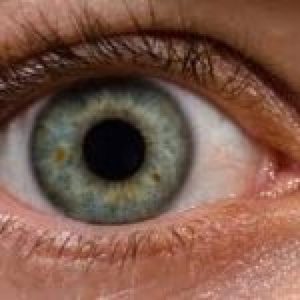
Diabetic retinopathy is one of the leading causes of preventable blindness in adults, yet it often develops silently, without pain or obvious symptoms in its early stages.
Understanding how it develops and how you can protect your sight could be the difference between a lifetime of clear vision and irreversible vision loss.
HOW DIABETES AFFECTS THE RETINA:
Your retina works like the film or digital sensor in a camera. It receives light entering the eye and sends that information to your brain through the optic nerve, allowing you to see images clearly.
The retina has an extremely fine network of tiny blood vessels that provide oxygen and nutrients to keep it healthy.
When you have diabetes, excess sugar in your blood gradually weakens and damages these delicate vessels, making them prone to leakage, blockage, and abnormal new growth.
Over time, this process interferes with the retina’s ability to function properly, leading to diabetic retinopathy.
HOW DIABETIC RETINOPATHY DEVELOPS:
In the early stages, the small blood vessels in your retina become weak and begin to leak small amounts of fluid or blood. This stage is known as non-proliferative diabetic retinopathy.
You may not notice any changes in your vision at this point, but your eye doctor can detect these changes during a detailed retinal examination.
As the condition progresses, some blood vessels may close off, depriving parts of your retina of oxygen. In response, your eye attempts to grow new vessels to restore blood flow, but these new vessels are fragile and abnormal.
This advanced stage is called proliferative diabetic retinopathy. The new vessels can easily bleed into the clear, jelly-like fluid inside your eye (the vitreous), causing sudden blurring, dark spots, or even complete loss of vision.
In severe cases, scar tissue can form, pulling on the retina and leading to retinal detachment, which can result in permanent blindness if not treated promptly.
SYMPTOMS OF DIABETIC RETINOPATHY :
In the early stages of diabetic retinopathy, you may not notice any symptoms at all. As it progresses, you might experience:
1. Blurred or fluctuating vision
2. Dark or empty spots in your vision
3. Difficulty seeing at night
4. Colours appearing faded or washed out
5. Sudden loss of vision in one or both eyes.
If you notice any of these signs, it is very important that you seek immediate attention from an eye care professional.
DIAGNOSIS:
A comprehensive dilated eye examination is the only way to detect diabetic retinopathy early. During this examination, your eye doctor will use special eye drops to enlarge your pupils and carefully inspect your retina for any leakage, swelling, or new blood vessel formation.
Advanced imaging tools such as optical coherence tomography or fluorescein angiography can help identify subtle changes that are not visible with the naked eye.
Early detection is vital because diabetic retinopathy can be treated effectively before it causes serious vision loss.
TREATMENT AND MANAGEMENT:
The treatment you receive depends on the stage and severity of the disease.
1. Control of diabetes and blood pressure: The foundation of treatment is maintaining good control of your blood sugar, blood pressure, and cholesterol levels. This slows the progression of damage to the retina.
2. Laser treatment (photocoagulation): In certain stages, a laser can be used to seal leaking blood vessels and prevent the growth of abnormal new ones.
3. Injections into the eye: Medications called anti-vascular endothelial growth factor (anti-VEGF) drugs can reduce swelling and block the growth of new vessels.
4. Surgery (vitrectomy): In advanced cases, surgery may be needed to remove blood or scar tissue from inside the eye and restore vision.
These treatments are often combined with continued systemic care by your doctor or endocrinologist.
HOW YOU CAN PROTECT YOUR EYES:
The most effective way to protect your eyes from diabetic retinopathy is to prevent or delay it through good diabetes management and regular eye care. You can protect your sight by:
• Keeping your blood sugar, blood pressure, and cholesterol under control.
• Having your eyes examined at least once a year, even if your vision seems normal.
• Eating healthy meals rich in vegetables, fruits, and omega-3 fatty acids.
• Exercising regularly and avoiding smoking.
• Reporting any changes in your vision immediately to your eye doctor.
Remember, you may not feel pain, but silent changes can already be happening in your eyes.
Diabetic retinopathy does not cause pain or early warning signs, which is why it is often called a silent thief of sight. By the time your vision becomes blurry, the disease may already be advanced.
However, with regular screening and early treatment, you can preserve your vision and continue to live a full, independent life.
*Dr Priscilia Imade is CEO, Modern Eye Clinic, Lagos. E-mail: moderneyecliniclagos@gmail.com
Another edition of the column returns on Monday in The Frontier.