


•Dr Priscilia Imade
INTRODUCTION
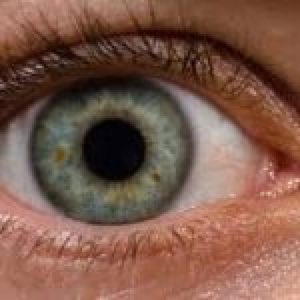
Refractive errors is one of the major causes of avoidable blindness in Nigeria.
Avoidable blindness remains a significant public health challenge, particularly in developing countries.
It refers to vision loss that can be prevented or treated with simple, cost-effective interventions.
Among the leading causes is refractive error, a condition that despite being easily correctable, continues to affect millions of people and limit their quality of life.
WHAT ARE REFRACTIVE ERRORS?
Refractive errors occur when the eye cannot properly focus light onto the retina, leading to blurred vision. The common types include myopia (difficulty seeing distant objects), hyperopia (difficulty seeing near objects), astigmatism (distorted or blurred vision at all distances) and presbyopia (age-related difficulty in near vision).
WHY REFRACTIVE ERRORS LEAD TO AVOIDABLE BLINDNESS
Refractive errors are termed “avoidable” because they can be easily diagnosed and corrected with eyeglasses, contact lenses, or appropriate clinical interventions.
However, many individuals remain visually impaired due to lack of awareness, poor access to eye care services, financial constraints and cultural misconceptions about wearing glasses.
SYMPTOMS OF REFRACTIVE ERRORS
Blurred vision (either at distance or near), frequent headaches, eye strain, squinting, difficulty reading, and poor night vision. Children may also show signs like sitting too close to the television or holding books very close.
CORRECTION
Refractive errors are easily corrected with properly prescribed eyeglasses, contact lenses, or in some cases, refractive surgery. Regular eye examinations are essential to ensure the correct prescription is given.
PREVENTION
While refractive errors cannot always be prevented, their impact can be reduced through early detection and regular eye check-ups. Limiting excessive screen time, maintaining proper reading distance and lighting and encouraging outdoor activities especially for children can help reduce the risk and progression.
CONCLUSION
Addressing refractive errors requires a coordinated approach. Public health campaigns should emphasise the importance of regular eye examinations.
Governments and organisations must improve access to affordable eye care services and spectacles.
School and community-based vision screening programmes can play a critical role in early detection and intervention.
Refractive errors are one of the simplest yet most overlooked causes of avoidable blindness. With increased awareness, improved access to care, and timely correction, millions of people can regain clear vision and lead more productive lives. Eliminating avoidable blindness begins with addressing conditions we already know how to treat and refractive errors are at the forefront of that effort.
*Dr Priscilia Imade is CEO, Modern Eye Clinic, Lagos. E-mail: moderneyecliniclagos@gmail.com
Another edition of the column returns on Monday in The Frontier.