
•Dr Priscilia Imade
As you grow older, your eyes become even more precious to your daily life. They help you maintain independence, recognise loved ones, read, enjoy nature, and move safely through your environment. However, with age comes an increased risk of certain eye conditions that can affect your quality of life. Loving your eyes at old age means giving them special care, attention, and protection so that you can continue to live fully and with dignity.
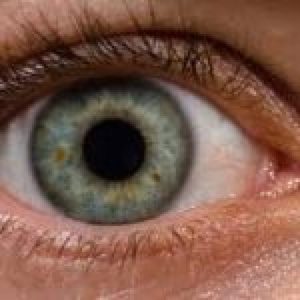
AGE-RELATED EYE DISEASES
One of the most important steps you can take is to have regular screenings for age-related eye diseases. Conditions such as cataract, glaucoma, macular degeneration, and diabetic eye disease are more common as you age. These diseases may not always cause noticeable symptoms in their early stages, yet they can lead to vision loss if not detected and treated on time.
When you attend regular eye examinations, you give yourself the best chance to prevent serious complications. Early diagnosis often means simpler treatment and better outcomes.
AGE-SPECIFIC DIET
Your diet also plays a significant role in preserving your sight. Foods rich in antioxidants such as vitamins A, C, and E, as well as omega-3 fatty acids, support the health of your eyes.
By eating leafy green vegetables, brightly coloured fruits, and fish such as salmon or sardines, you provide your eyes with nutrients that strengthen them against age-related damage.
Loving your eyes at old age means paying attention to what you eat, because the food you choose today can protect your vision tomorrow.
AGE SPECIFIC MEDICAL ADVICE
Another vital part of eye care in old age is following medical advice exactly as prescribed. If your doctor gives you eye drops for glaucoma or medication for another eye condition, you must use them consistently. Skipping doses or stopping treatment without guidance can cause your condition to worsen silently.
By complying with treatment, you show commitment to preserving your sight and preventing further damage.
AGE AND HOME EYE CARE
Your home environment can also support the health of your eyes. Poor lighting makes it difficult to see clearly, which can increase the risk of falls and injuries. To protect yourself, make sure that your home is well lit, especially in hallways, staircases, and reading areas. Use lamps that provide bright but comfortable light, and avoid harsh glares that may strain your vision.
Proper lighting allows you to move around safely and reduces unnecessary strain on your eyes.
Finally, you should remember that your eyes are part of your overall health. An active lifestyle supports not only your body but also your vision.
Regular exercise improves blood circulation, which benefits the tiny blood vessels that nourish your eyes.
Walking, gardening, light aerobics, or other enjoyable activities can help keep your eyes and your entire body in good condition.
Staying active also boosts your mood and helps you stay socially connected, which contributes to better well-being as you age.
Loving your eyes at old age is about being proactive, disciplined, and mindful. When you attend regular screenings, eat a healthy diet, follow your medical treatment, maintain proper lighting in your home, and stay physically active, you are giving your eyes the best possible care. Your sight allows you to enjoy life’s experiences and maintain your independence.
By loving your eyes in this stage of life, you protect one of your greatest treasures and ensure that your later years remain bright and fulfilling.
*Dr Priscilia Imade is CEO, Modern Eye Clinic, Lagos. E-mail: moderneyecliniclagos@gmail.com
Another edition of the column returns on Monday in The Frontier.