The Association of Community Pharmacists of Nigeria (ACPN) has called for the full accreditation of pharmacies as health facilities in primary healthcare, in order to effectively utilise their role as healthcare providers and major drivers of positive health outcomes.
Greater Utilisation Of Pharmacists In Nigeria’s Healthcare System
ACPN has voiced displeasure with the federal government’s failure to leverage the potential of pharmacists in addressing the country’s critical healthcare delivery needs, reports Daily Independent.
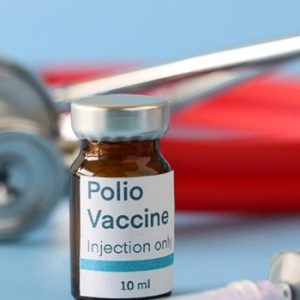
Pharm. Igwekamma Ambrose Ezeh, ACPN Chairman highlighted Nigeria’s significant achievement in global pharmacy practice, particularly through the successful administration of the COVID-19 vaccine in community pharmacies.
This accomplishment has garnered international recognition, with the Federation of International Pharmacists (FIP) acknowledging Nigeria as a model for immunisation services.
Ezeh emphasised the importance of integrating pharmacists into the healthcare framework to enhance service delivery and improve health outcomes across the nation.
Eze who spoke during his official inauguration as the 16th National Chairman of ACPN, and the investiture of the Distinguished Community Pharmacist (DCPharm) awardees in Lagos.
Nigeria’s COVID-19 Vaccination Success Recognised By FIP, But Integration of Community Pharmacists Remains a Challenge
The new ACPN Chairman expressed delight in the recognition of FIP of Nigeria’s significant achievement in COVID-19 vaccination, highlighting it as a model for other countries to enhance their immunisation services. Despite this commendation, Ezeh lamented that Nigeria has not yet fully integrated the contributions of Community Pharmacists into the healthcare delivery system, which could further benefit the nation’s health outcomes.
His speech partly reads, “In recent times, the FIP which is the global template for practicing pharmacists in Nigeria used the success story of the administration of the COVID-19 vaccine in community pharmacies in Nigeria as a benchmark to compel other countries of the world that are not doing the same to adopt Pharmacy vaccination to achieve better results in immunisation services.
“It is a major irony that the health system in Nigeria which was the Focal and reference point in good Healthcare delivery has not yet formalised what it is being cited as doing well,” Ezeh added.
During the occasion which was also the Investiture Of Distinguished Community Pharmacist (DCPHARM) Awardees, the ACPN chairman therefore, urged the Federal government to ‘mobilise available human resources for health’, if the country ever ‘stands any chance of reversing the negative healthcare indices.’
He was optimistic that the government under President Bola Tinubu would give attention to the situation.
Ezeh said, “We at ACPN believe albeit strongly that the Federal Government and in particular, the Presidency under the watch of the reformist, President Bola Tinubu, needs to genuinely mobilise available human resources for health if we shall ever stand any chance of reversing the ugly negative Healthcare indices Nigeria is well noted for.”
Eze highlighted the achievements of the Community Pharmacists at the height of the COVID-19 pandemic.
He said, the National Primary Healthcare Development Agency (NPHCDA), at the height of the COVID-19 pandemic in 2021 entered into a MOU with the ACPN to provide vaccination against COVID-19 in Community Pharmacies in Nigeria.
“For the records, the injection of Community Pharmacists Facilitates the COVID-19 vaccination of 78,000 beneficiaries in just a few weeks based on the MOU between ACPN/NPHCDA.”
Eze argued, ‘’Rational logic should suggest that this type of success story if fully replicated in the value chain of the health system will promote the cardinal goals of the National Health and Drug Policies which are hinged on accessibility, affordability and efficacy.’’
The seasoned pharmacists posited that Nigeria could significantly reduce risk factors linked to infant and maternal mortality, as well as issues related to counterfeit medications and other adverse health indicators, by fully embracing community-based healthcare practices.
He advocated for increased community pharmacists’ involvement in immunisation services and overall healthcare delivery, highlighting the potential benefits for health consumers across the nation.
ACPN expressed its willingness to engage in further consultations on this critical issue. The organization believes that all levels of government – federal, state, and local – should align with this vision to improve health outcomes for Nigerians.
Ezeh also expressed his gratitude for the trust placed in him to lead the ACPN during this pivotal period saying: “I am humbled by the confidence you have shown in me to lead this noble association.”
Push For Professional Stamps’ Full Implementation
Further, he addressed the long-awaited implementation of professional stamps and seals, calling on the Federal Ministry of Justice to activate the draft gazette for its full implementation.
He said, “The Professional Stamps and Seals will serve as an important tool in validating pharmacy transactions, enhancing the credibility and integrity of the pharmaceutical profession,” he stated, detailing how it would impact areas like drug importation, tenders, and procurements.
NPP Must Align With Legal Framework
The National Chairman commended recent efforts by the Federal Ministry of Health (FMOH) to revive the National Prescription Policy (NPP) but stressed the need for greater enforcement to ensure compliance with the law.
Ezeh said, “The ACPN relies on the positive spirit that has driven the NPP endeavor in contemporary times but appeals that everything is done to uphold the spirit of the extant laws that bind the prescription and dispensing of drugs in Nigeria.
“Specifically, the approved prescribers in law are limited in law for now to only licensed dentists, medical practitioners, and veterinary doctors. They must make use of authorised prescription sheets for their prescriptions which will be dispensed by only registered pharmacists who will practice in consonance with the law in registered pharmacies manned by Superintendent Pharmacists in line with the strict approbation of the PCN.
“The ACPN looks forward to limited prescription rights within the ambit of law for some cadre of practicing Pharmacists who will be well-trained to handle this responsibility with necessary professional diligence at the appropriate juncture in the evolution of our health system in Nigeria.”
Enact DRF Act To Check Public Hospitals
On the issue of the Drug Revolving Fund (DRF), Ezeh noted the significant debt owed to the pharmaceutical industry by Federal Health Institutions (FHIs) and recommended that the National Assembly enact a DRF Act to address gaps in the supply chain for public hospitals.
He speech also reads, “The ACPN recalled the huge sum of money owed to the pharma industry by the FHIs. The ACPN commended the recent consultative meeting of stakeholders on DRF put together by the House Committee on Health Institutions of the House of Representatives.
“One of the striking resolutions at the meeting with the House Committee was a need for the National Assembly to ensure oversight responsibilities on players in charge of DRF.
“The ACPN further recommended that the Federal Ministry of Health must energise and mobilize the Directorate of Food and Drugs to commence stringent oversight responsibilities on the FHIs. This is in view of the resolution of the National Council on Health to embrace DRF as the major instrument of procurement of drugs in public hospitals.
“The Federal Ministry of Health and the National Assembly must partner to enact a DRF Act which would serve as a permanent tool to redress gaps in the supply chain of drugs in public sector facilities.
“The Federal Ministry of Health must withdraw its unlawful Standard Operating Guideline on DRF to review it within three months in alignment with the recent MOU signed between the Federal Government and relevant stakeholders in Health.
“The Federal Ministry of Health must ensure oversight responsibilities on the FHIs, ensuring that the DRF serves as a sustainable solution for drug procurement,” Ezeh added.
He also expressed concerns about the proposed National Health Facilities Regulatory Agency (NHFRA), arguing that the government should focus on better funding existing regulatory bodies like the Pharmacy Council of Nigeria (PCN) and NAFDAC, rather than creating a new agency.
“The current regulatory agencies are more than capable of overseeing the sector. What is needed is adequate funding and support to ensure they fulfill their mandates,” Ezeh said.
He, however, assured the government and stakeholders of the ACPN’s commitment to collaborate in advancing Nigeria’s healthcare system.
“The road ahead is filled with both opportunities and challenges, but with your unwavering support, we will elevate our practice to new heights. Together, we will ensure that community pharmacists are recognized not only as critical healthcare providers but also as key drivers of positive health outcomes in Nigeria,” the new ACPN boss added.