•Wike
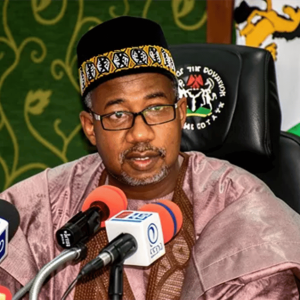
The Minister of the Federal Capital Territory (FCT), Nyesom Wike, has announced that starting January 2025, all commercial buses in Abuja will be profiled by the Nigeria Police Force and the Department of State Services (DSS).
Wike, made the announcement during the FCT Renewed Hope Youth Empowerment Programme in Garki, recently, where he also distributed 80 new cars to beneficiaries for use as taxis, reports Daily Independent.
“They are not paying a dime. The government supports you to feed your family and reduce transportation costs in the city. Abuja should compete with other cities worldwide,” he emphasised.
He urged beneficiaries to take pride in becoming taxi drivers, noting that many Nigerians who reject such jobs at home readily accept them abroad.
To combat kidnapping and ‘one-chance’ robberies, he stated that from January 2025, any commercial bus not officially profiled by security agencies will be barred from operating in the capital.
Wike explained, “Most Kekes and motorcycles act as informants. Every beneficiary is being profiled by security.
“From January, no one will drive a taxi or bus without security approval, proper profiling, and the designated Abuja colours.
“We will track vehicle numbers and driver details to ensure everyone can trust the vehicle they enter in case of any incidents.”
Wike further emphasised the importance of public safety, noting that the initiative is a crucial step toward ensuring that residents of Abuja feel secure while commuting.
“We want to build a city where citizens can walk freely and use public transport without fear,” he stated.
He acknowledged the challenges faced in the transport sector, particularly with regard to unregistered vehicles that operate without oversight.
“This has led to increased crime and insecurity,” Wike added, “and it’s our duty to ensure that all operators adhere to the law and follow the necessary guidelines.”
The minister also hinted at plans for a comprehensive transport policy that would include the introduction of smart technology to track public transport.
“We are looking into integrating modern technology to monitor routes, schedules, and ensure that every vehicle is compliant with our standards,” he said.
He, however, encouraged community leaders and youth groups to support the new measures, stating that stakeholder involvement is key to the success of the programme.
“We cannot do this alone; we need everyone’s cooperation to make Abuja a model city for safety and efficiency in transportation,” Wike said.
As the city prepares for this transformation, residents are keenly awaiting further details about the profiling process and how it will be rolled out in the months leading up to January 2025.