Skip to content
Saturday 12 September 2026
  • Home
  • Advertise with us
  • Contact
The Frontier
Click to read
The Frontier
  • News
  • Crime
  • Politics
  • Headlines
  • Education
  • Health
  • Business & Economy
  • Sports
  • More
    • International
    • Religion
    • Entertainment
    • Info Tech
    • Matilda Showbiz
      • Gists
      • Music
      • Gossips
      • Oga MAT
      • Romance
    • Arts & Culture
    • Environment
    • Opinion
    • Features
    • Epistles of Anthony Kila
    • EyeCare with Dr Priscilia Imade
The Frontier
  • News
  • Crime
  • Politics
  • Religion
  • Headlines
  • Education
  • International
  • Business & Economy
  • Entertainment
  • Sports
  • Arts & Culture
  • Environment
  • Health
  • Matilda Showbiz
    • Gists
    • Music
    • Gossips
    • Oga MAT
    • Romance
  • Opinion
  • Epistles of Anthony Kila
  • EyeCare with Dr Priscilia Imade
  • Info Tech
  • Interview
The Frontier
Click to read
Crime
Crime

Oil theft: How criminal networks are moving from creeks to communities

The FrontierThe FrontierFebruary 23, 2026 1473 Minutes read0

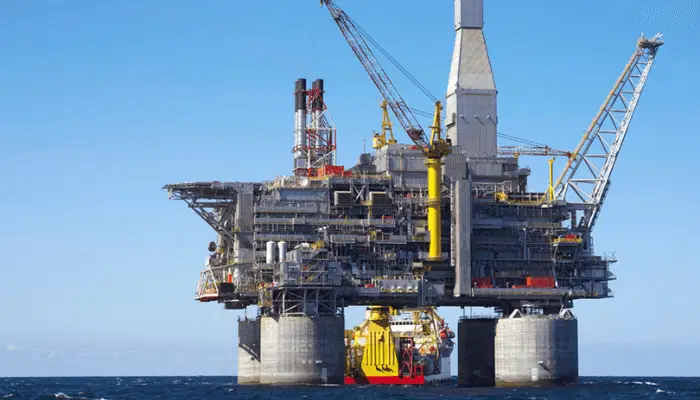
For decades, Nigeria’s oil theft crisis was largely associated with remote creeks, mangrove swamps and offshore vandalism in the Niger Delta.

Increasingly, however, security agencies say the trade is migrating inland-embedding itself within civilian communities, markets and transport corridors where it can operate under the cover of everyday commerce, reports Vanguard.

The recent exposure of Owaza Mami Market in Ukwa West Local Government Area of Abia State as a hub for illegal crude oil bunkering and artisanal refining underscores a broader national trend: oil theft networks are becoming more organised, decentralised and harder to detect.

On January 24, 2026, a joint, intelligence-led operation by Pipeline Infrastructure Nigeria Limited (PINL) and Government Security Agencies uncovered the market’s hidden role as a storage, processing and distribution centre for stolen crude oil and illegally refined petroleum products.

What appeared to commuters along the Port Harcourt-Aba Expressway as a routine roadside market was, in reality, part of a sophisticated illicit supply chain linked to the Trans-Niger Pipeline.

From Creeks to commercial hubs

Security officials say criminal groups are deliberately relocating operations closer to highways and population centres, blending illegal activities into legitimate economic spaces.

Markets, warehouses, hotels and residential compounds now increasingly serve as covers for storage, refining and distribution of stolen petroleum products.

In the Owaza case, investigators found warehouses stocked with crude oil and refined products, generators modified to run directly on crude oil, and active artisanal refining equipment operating within the market.

The discovery mirrors similar patterns reported across parts of Rivers, Imo, Abia and Delta states, where illegal refining has moved away from isolated camps into built-up areas.

According to energy security analysts, this shift reduces logistic costs for criminal networks, provides faster access to buyers, and complicates enforcement efforts by increasing the risk of civilian casualties during raids.

Security gaps and organised escape routes

The Owaza raid also exposed recurring weaknesses in Nigeria’s oil theft response architecture.

Investigators reported repeated disruptions to earlier enforcement efforts, including access restrictions, checkpoint delays and the presence of undocumented exit routes that allowed suspects to evade arrest.

Such escape corridors, security sources say, are not unique to Owaza but are increasingly common features of illegal oil hubs nationwide, reflecting advance planning and local intelligence support.

“These are no longer opportunistic crimes,” said a security source familiar with pipeline protection operations.

“They are organised, layered networks with logistics, intelligence and protection mechanisms.”

Economic and environmental toll

Nigeria loses billions of dollars annually to oil theft, with consequences ranging from reduced government revenue and foreign exchange inflows to environmental devastation and public health risks.

Artisanal refining sites often discharge waste directly into soil and waterways, contaminating farmlands and threatening livelihoods.

Enforcement shifts, role of surveillance contractors

The January 24 operation reflects a growing reliance on intelligence-driven enforcement and private pipeline surveillance contractors working alongside government security agencies.

PINL, which secures the Eastern Corridor of the Trans-Niger Pipeline, says sustained monitoring and local intelligence are critical to dismantling networks that thrive on anonymity and mobility.

However, analysts warn that raids alone are insufficient. Without follow-through prosecutions, permanent closure of illegal access routes and economic alternatives for host communities, dismantled networks often re-emerge elsewhere.

Problem hiding in plain sight

The exposure of Owaza Mami Market highlights a sobering reality: Nigeria’s oil theft problem is no longer confined to distant creeks or offshore pipelines.

It is increasingly woven into everyday spaces-markets, transport corridors and communities-where criminal operations coexist with legitimate economic life.

For now, the dismantled market stands as both a warning and a case study-illustrating how oil theft in Nigeria has evolved, and how much harder it has become to spot.

Tags
communitiescreekscriminal networksoil theft
FacebookTwitterWhatsAppLinkedInEmailLink
Previous post Bayelsa’s new deputy governor: Behind-the-scenes moves, political calculations, intrigues
next post India deports over 2,356 Nigerians
Related posts
  • Related posts
  • More from author
Crime

Woman nabbed for using sex toy on underaged daughter, four other kids rescued

September 12, 20260
Crime

Police bust alleged child-stealing gang, rescue three children

September 11, 20260
Crime

Over 200 armed bandits storm Benue community, kill four Mobile Policemen, eight residents

September 11, 20260
Load more
Read also
Inside Akwa Ibom Today

inside the Hill top newspaper

February 9, 20250
Africa

Niger names new chief of staff after foiled army mutiny

September 12, 20260
News

Aviation authority sanctions RwandAir N15 million over passenger’s damaged baggage

September 12, 20260
News

‘If God saves me, I’ll never drink again’ – Survivor of herbal drink tragedy

September 12, 20260
Headlines

Again, Nigerians lose millions to Ponzi scheme

September 12, 20260
Business & Economy

FG urged to save factories while recovering loans

September 12, 20260
Politics

Group backs former Vice President Atiku on subsidy reversal, NELFUND cancellation

September 12, 20260
Load more

inside the Hill top newspaper

February 9, 2025

Niger names new chief of staff after foiled army mutiny

September 12, 2026

Aviation authority sanctions RwandAir N15 million over passenger’s damaged baggage

September 12, 2026

‘If God saves me, I’ll never drink again’ – Survivor of herbal drink tragedy

September 12, 2026

Again, Nigerians lose millions to Ponzi scheme

September 12, 2026

FG urged to save factories while recovering loans

September 12, 2026

inside the Hill top newspaper

0 Comments

Niger names new chief of staff after foiled army mutiny

0 Comments

5 burnt to death scooping fuel from fallen tanker

0 Comments

Naira slumps further as dollar scarcity bites harder

0 Comments

BREAKING: Appeal Court sacks Senate Minority Leader, orders election rerun

0 Comments

Follow us

FacebookLike our page
InstagramFollow us
YoutubeSubscribe to our channel
WhatsappContact us
Latest news
1

inside the Hill top newspaper

February 9, 2025
2

PDP BoT, Wike meet behind closed doors

September 18, 2024
3

Bandits gun down politician during Ramadan prayers, abduct wife, daughters

March 24, 2024
4

Hunger protest: Threats by govt won’t work – Falana tells Tinubu

July 24, 2024
5

International Women’s Day: Nigerian women a special breed, full package – Akpabio

March 8, 2024
6

Ghana hands over rebuilt Nigerian High Commission property in Accra

November 20, 2024
Popular
1

inside the Hill top newspaper

February 9, 2025
2

UPDATED: Accidental discharge kills 12-year-old boy in Kaduna, police debunk bomb explosion

April 22, 2025
3

Anambra election: I belong to Labour Party but all contestants are my friends — Peter Obi

November 5, 2025
4

9 million voters must not decide next president for Nigerians in 2027 – Expert warns

March 19, 2025
5

Man jailed for refusing Naira as legal tender

January 22, 2026
6

Man Utd beat Lyon in thriller to reach Europa League semi-finals

April 18, 2025

About The Frontier

The Frontier is Nigeria’s leading online newspaper. It is published by Okims Media Links Limited headed by Sunny Okim, a veteran journalist who is widely known as The Grandmaster, fondly called so by colleagues and friends for being Nigeria’s pioneer movie journalist.

Most viewed

inside the Hill top newspaper

February 9, 2025

UPDATED: Death toll in Plateau Christmas attacks now 113

December 26, 2023

Rescued kidnap victims arrive in Ilorin after months in captivity

August 7, 2026

Fans slam popular gospel singer Tim Godfrey for featuring secular music artiste Oxlade on new single, Infinity

October 18, 2025

Liverpool, Chelsea cruise into FA Cup 4th round, Brentford stung by Plymouth

January 12, 2025
Top posts

Categories

  • News5019
  • Politics4687
  • Crime4489
  • International3112
  • Sports2514
  • Business & Economy2311
  • Headlines2243
  • Education1405
  • Matilda Showbiz1007
  • Health902
  • Entertainment834
  • Africa598
  • Religion486
  • Environment376
  • Special278
  • Info Tech249
  • Arts & Culture240
  • Hunger protests in Nigeria224
  • Inside Akwa Ibom Today212
  • Interview189
  • Opinion154
  • EyeCare with Dr Priscilia Imade133
  • World Cup 202695
  • Advert36
  • Trends23
  • Epistles of Anthony Kila19
  • Local News5
  • The Surge2

© 2026 The Frontier, Published by Okims Media Links Limited.

designed by winnet services

  • Home
  • Advertise with us
  • Contact