The Independent National Electoral Commission (INEC) has charged media practitioners in Osun State to treat vote buying as a frontline investigative priority ahead of the August 15, 2026, governorship election, urging journalists to document incidents with the specificity needed to trigger prosecution.
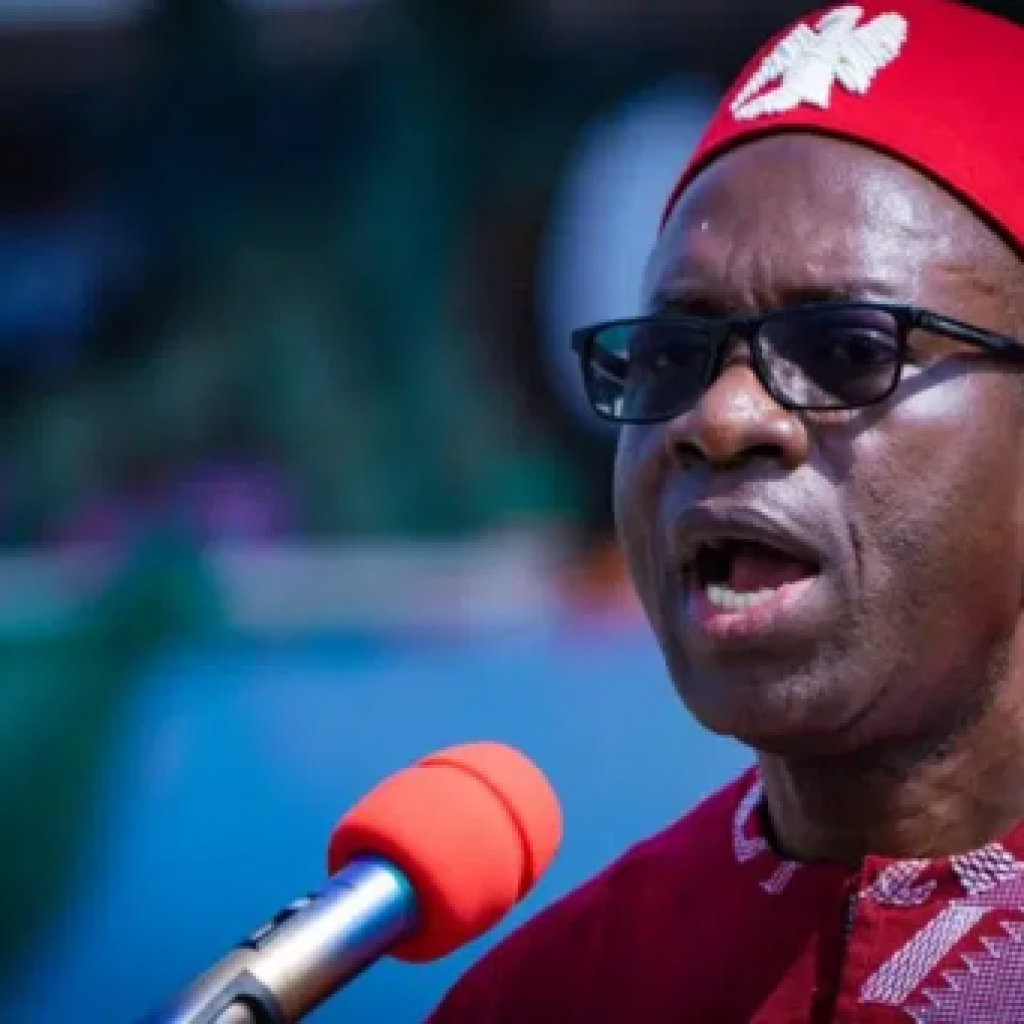
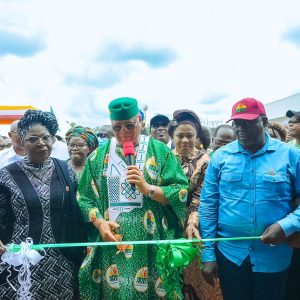
This charge was contained in a keynote address by the National Commissioner and Chairman, Information and Voter Education Committee (IVEC), Malam Mohammed Kudu Haruna, delivered at the One-Day Media Stakeholders’ Forum held on Tuesday, June 30, 2026, in Osogbo, Osun state.
The address was read on his behalf by the Resident Electoral Commissioner for Osun State, Mrs Oluwatoyin Babalola, reports Daily Independent.

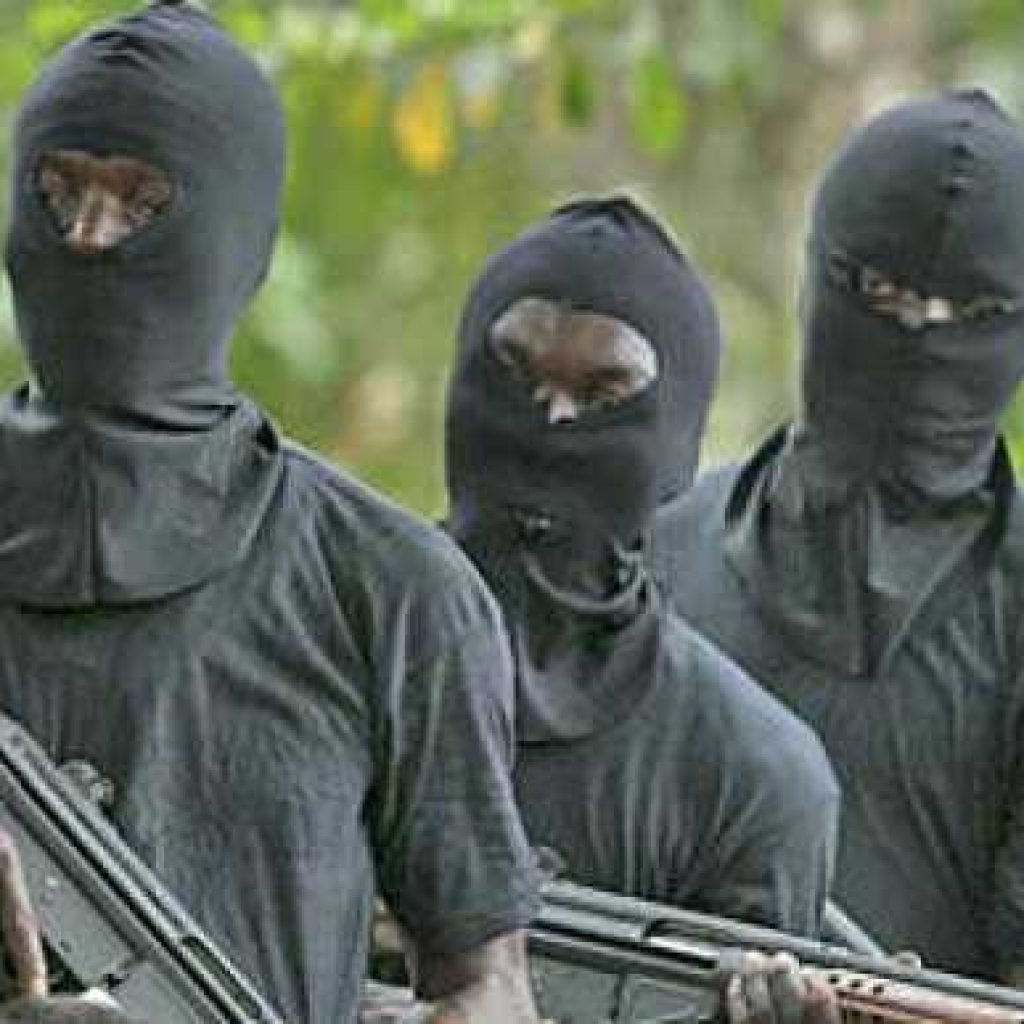
In the keynote, the National Commissioner described vote buying as the most alarming development to emerge from the June 20, 2026, Ekiti State governorship election, noting that political actors and their agents were widely reported to have offered cash to voters at polling units, in some cases through numbered vouchers redeemable outside polling locations to evade detection.
He cited Section 22 of the Electoral Act 2026, which prescribes a fine of not less than five million naira, imprisonment of up to two years, or both, alongside a ten-year disqualification from contesting public office, for persons convicted of vote trading.
The National Commissioner called on editors to assign dedicated resources to the issue before, during and after election day, and on reporters to capture names, locations, amounts and the structure of coordination in their investigations.
He said such reporting would feed directly into an enforcement framework involving the Commission, the Economic and Financial Crimes Commission, the Nigeria Police Force and the State Security Service (SSS).
Speaking further, the National Commissioner disclosed that the Commission had concluded major pre-election preparations for Osun State, including the clearance of candidates from fourteen political parties, the enrolment of 381,817 new voters during the Continuous Voter Registration exercise, and arrangements to deploy the Bimodal Voter Accreditation System (BVAS) and the INEC Result Viewing Portal (IReV) across all 30 local government areas.
He referenced the performance of these technologies in Ekiti, where BVAS recorded a 96 per cent functionality rate, and IReV achieved a 98 per cent result-upload completion rate, as a benchmark for the Osun exercise.
The national commissioner also drew attention to declining voter turnout nationally, noting that accreditation in the Ekiti election covered fewer than four in every ten registered voters.
He urged media organisations to deploy their reach toward voter mobilisation, alongside continued public enlightenment on the dangers of vote buying and the importance of result verification through IReV.