•Omoyele Sowore
Human rights activist and former presidential candidate, Omoyele Sowore, has dismissed the emergence of new political parties and coalitions ahead of the 2027 general elections, describing them as a recycling of Nigeria’s longstanding political failures.
Sowore spoke yesterday in Abuja during a meeting with activists, journalists, lawyers, and civil society groups convened to review developments over the past year and chart a course for the future.
He warned that changing party names without changing the political actors behind them would not rescue the country, arguing that many politicians presenting themselves as alternatives were key figures in previous administrations, reports The Guardian.
According to him, such rebranding efforts are calculated attempts to mislead Nigerians and retain control of the political system.
“If you fall for them, you get another set of desperate politicians. They were in power up to 2023 and are only changing platforms,” Sowore said.
He specifically criticised the African Democratic Congress (ADC), which has gained attention as an opposition platform ahead of 2027, insisting that many of its prominent figures were part of past governments and should not be portrayed as agents of reform.
“Anybody who was part of our problem under past administrations cannot suddenly become the solution,” he declared.
Sowore noted that sustained civic resistance over the years had weakened state impunity and forced measurable reforms, despite continued arrests, detentions, and prosecutions of activists.
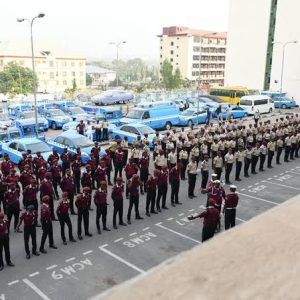
He said pressure from human rights campaigns contributed to improved welfare within security agencies, including the promotion of thousands of police officers who had remained in the same rank for years.
“Because of our struggle, over 30,000 policemen were promoted. Some of them had not been promoted for decades,” he said.
He added that advocacy efforts also helped secure improved allowances for members of the National Youth Service Corps and facilitated the release of detainees through coordinated legal and human rights interventions.
However, Sowore accused politicians who benefited from a more open civic space of undermining the same struggle by trivialising activism and exploiting public frustration for electoral gain.
He maintained that human rights advocacy must remain principled, stressing his commitment to defending the rights of all individuals regardless of political affiliation.
“I will fight for anyone’s rights, whether they are my friend or my enemy. Once rights are violated, everyone is at risk,” he said.
Looking ahead, Sowore described 2026 as a critical year, stating that activists were shifting from organising protests to actively contesting for political power.
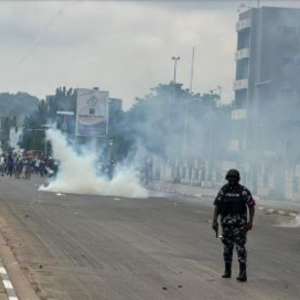
“We are not organising just to get tear gas anymore. We are organising to take power from those who don’t know what to do with it,” he said.
He urged young Nigerians to move beyond online engagement and participate directly in politics, warning that youthfulness alone does not translate into power unless it is effectively exercised.