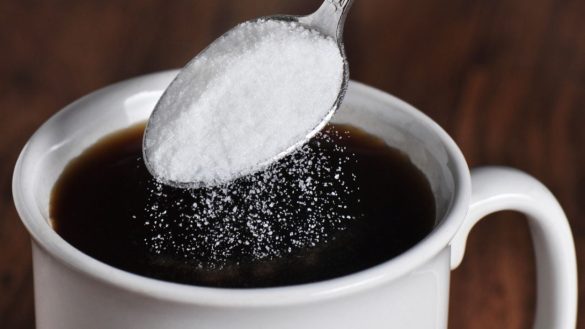
•A spoon of sugar
A new study has raised fresh concerns about the safety of widely used sugar substitutes, revealing that sorbitol, a common ingredient in “sugar-free” products, may not be as harmless as consumers believe.
The research, published in Science Signaling by Professor Gary Patti of Washington University in St. Louis, shows that sorbitol can be converted into fructose in the liver, triggering metabolic effects similar to those caused by regular sugar.
“Sorbitol is one transformation away from fructose,” Patti explained, warning that the compound could contribute to the same health problems long associated with sugar consumption, reports Daily Independent.
Using zebrafish as a model, the team demonstrated how enzymes in the gut produce sorbitol from dietary sources. Once formed, sorbitol is transported to the liver, where it is metabolised into fructose.
Patti noted that the liver can receive fructose through multiple pathways, depending on an individual’s intake of glucose and sorbitol, as well as the composition of their gut bacteria.
The study highlighted the role of gut microbes in determining whether sorbitol becomes harmful. Certain bacteria, such as Aeromonas strains, can break down sorbitol into harmless byproducts. But in the absence of these microbes, sorbitol may accumulate and reach the liver, potentially stressing metabolic functions.
“If you have the right bacteria, it doesn’t matter. But if you don’t, that’s when it becomes problematic,” Patti said.
Even in people without diabetes, sorbitol can be produced naturally in the gut after meals, particularly when glucose levels rise. While small amounts of sorbitol, such as those found in whole fruits, are usually managed effectively by gut bacteria, problems arise when consumption of glucose or sorbitol exceeds what microbes can process. This imbalance may increase liver stress and contribute to long term dysfunction.
Patti warned that modern diets, often laden with multiple sweeteners in processed foods, pose a particular challenge.
He stressed that metabolic pathways from sugar substitutes can ultimately lead to liver damage, undermining the perception that alternatives are inherently safe.
The findings build on years
of research into fructose metabolism. Patti previously showed that fructose processed by the liver can be diverted in ways that fuel cancer cell growth. Other studies have linked fructose to steatotic liver disease, a condition now affecting nearly 30 percent of adults worldwide.
“Most people assume sugar alcohols, also known as polyols, are eliminated without harm,” Patti said. “But we do see that sorbitol given to animals ends up in tissues all over the body. There is no free lunch when it comes to sugar alternatives.”
The study raises pressing questions about whether ‘healthy’ sweeteners are truly safe, particularly for individuals with metabolic conditions.
Researchers are calling for further investigation into how gut bacteria manage sorbitol and other sugar alcohols, as the debate over sugar substitutes intensifies.