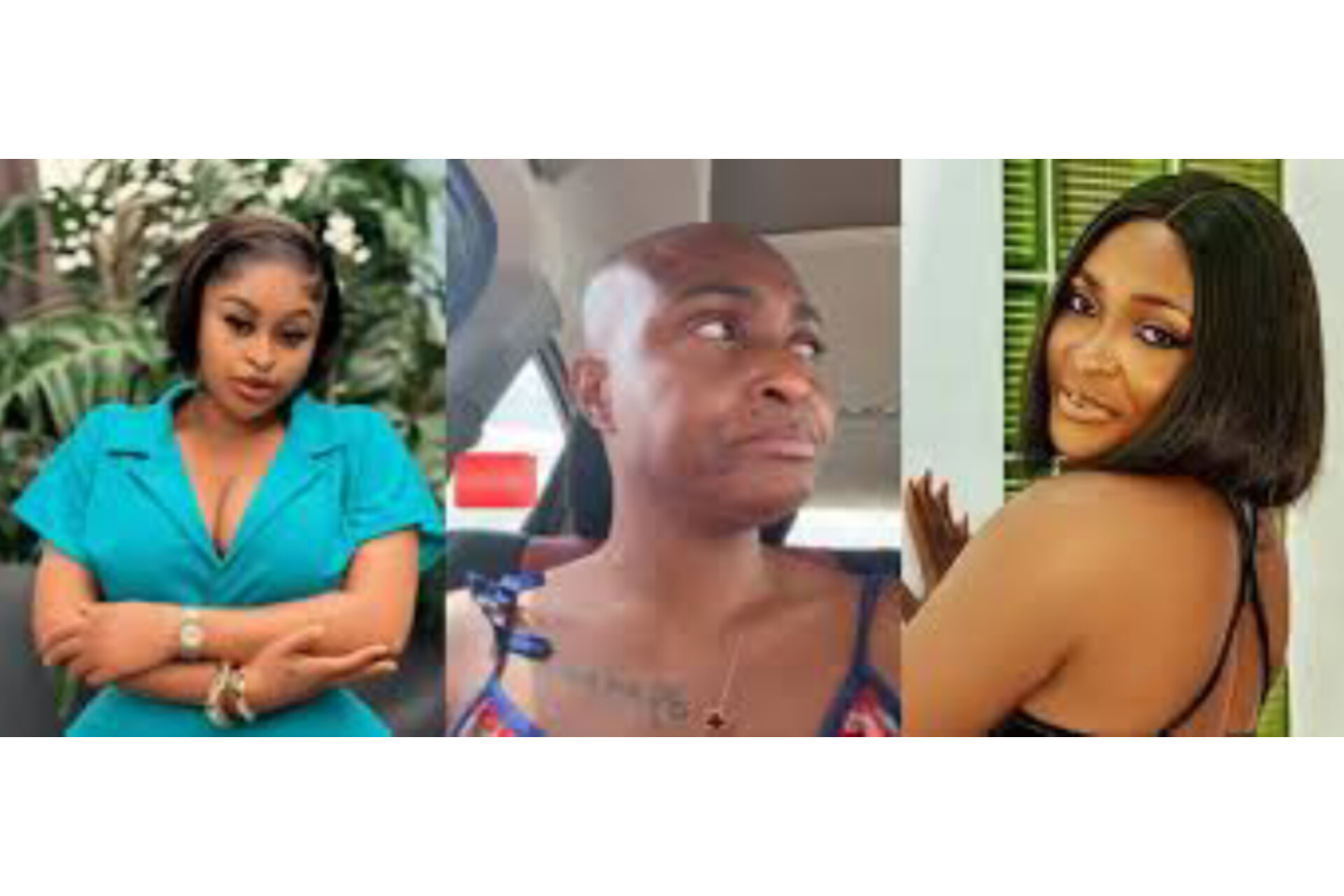
•Blessing CEO
It began as an emotional moment, but quickly turned into one of the most controversial online conversations of the week.
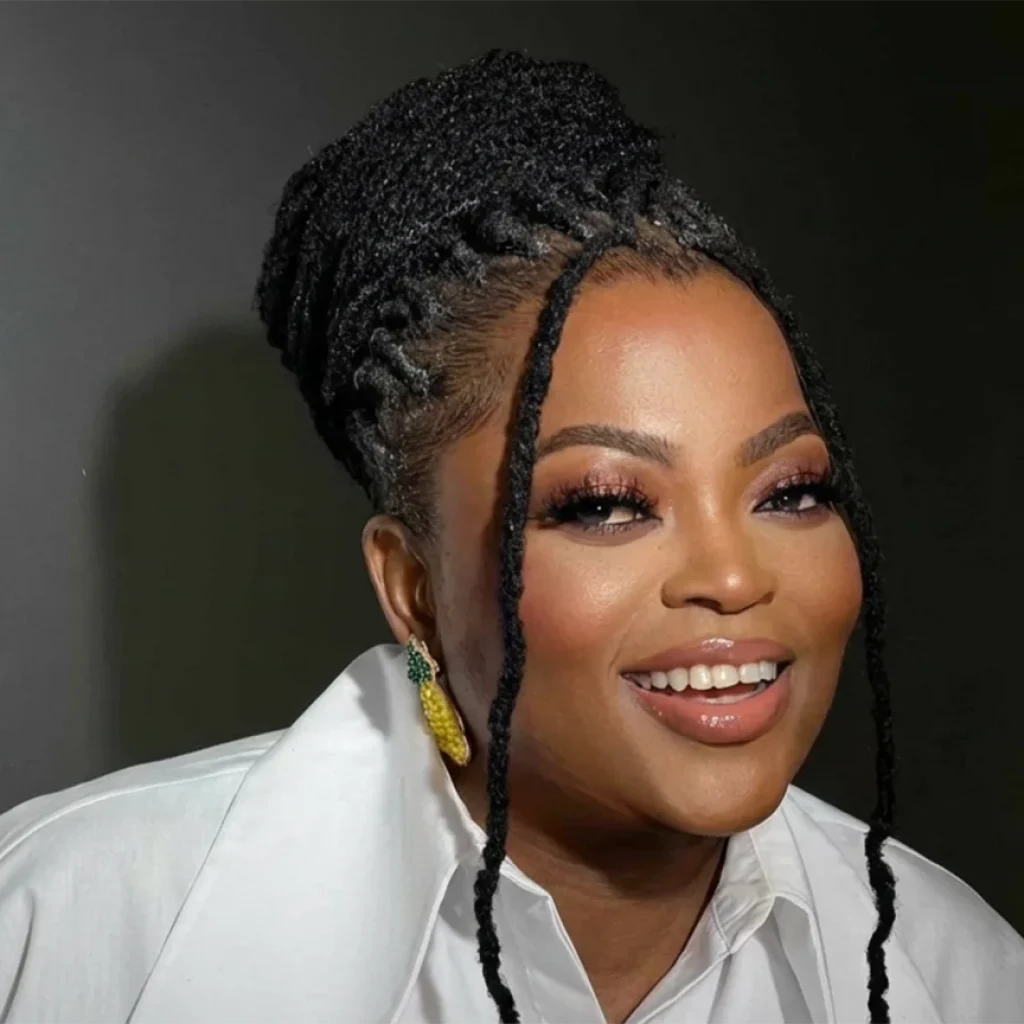
Popular and often polarising social media influencer, Blessing Okoro, popularly known as Blessing CEO, stirred reactions after posting a tearful video where she appeared visibly distressed, singing a sorrowful Igbo gospel song and pulling out strands of her hair.
In the video, she suggested she was seriously ill, later claiming she had been diagnosed with stage 4 cancer.
According to her, what started as a tumour in one of her breasts last year had allegedly spread to other parts of her body. She accompanied the post with an emotional plea, asking followers to return the love and encouragement she had given them over the years. But instead of sympathy, what followed was widespread doubt.
Many Nigerians, already familiar with Blessing CEO’s history of controversial statements and attention-grabbing content, questioned the authenticity of her claims almost immediately. The skepticism only deepened when she shared another video showing her shaving off her hair — a move some saw as dramatic, while others interpreted it as part of a possible narrative.
Among those who openly challenged her was social media critic VeryDarkMan, who demanded that she provide verifiable medical proof.
In response, Blessing reportedly shared what she claimed was a medical report and also posted her account details for donations.
However, that move triggered even more backlash.
Shortly after, a document allegedly linked to her diagnosis surfaced online, but instead of clearing doubts, it created fresh controversy.
Reports began circulating that the medical report did not belong to her, with claims that it had been altered — allegedly bearing her name but originally belonging to another patient.
The situation escalated further when the family of the alleged original owner of the report reportedly issued a 24-hour ultimatum, demanding a public apology or threatening legal action.
As the drama intensified, Nigerians became even more divided. While a few sympathised with her, many insisted they would not believe the story without credible, verifiable medical evidence.
Adding another twist, the handler of Blessing CEO’s account later released a statement denying that she ever publicly posted any medical report. The statement maintained that donations were made purely out of love and concern, not because of any documented proof. It also urged the public to focus on prayers and more pressing national issues, noting that she would speak when she was strong enough.
Despite the defence, public trust remains shaky. For many observers, the disbelief is rooted not just in the current allegations but in Blessing CEO’s past reputation.
Known for her bold takes on relationships, marriage and mental health, she has built a brand that thrives on controversy, a factor that now seems to be working against her in a moment that demands credibility.
On social media, reactions have been blunt and unforgiving. Some users dismissed the claims outright, suggesting it could be another content strategy, while others expressed concern but maintained a “wait and see” stance.
In the end, what should have been a moment of empathy has turned into a credibility test, one that highlights the growing challenge influencers face in separating real-life crises from online persona.
For now, Nigerians are watching closely, waiting for one thing: clear proof or a clear explanation.