Stakeholders, including the Vice President, Kashim Shettima, and former Director-General of the Budget Office of the Federation, Ben Akabueze, have called for urgent reforms to Nigeria’s budgeting system, warning that persistent disconnects between planning and implementation have left thousands of projects abandoned across the country.
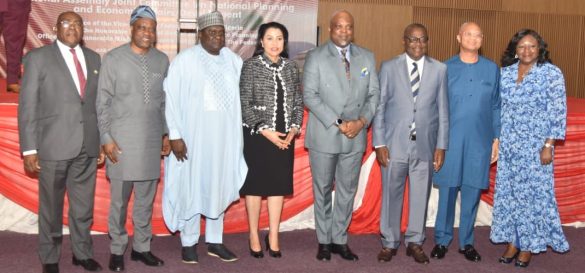
The call was made yesterday at a two-day National Policy Dialogue on National Development Planning and Budgeting held in Abuja, organised by the National Assembly Joint Committee on National Planning and Economic Development, reports Daily Independent.
At the event, Akabueze disclosed that Nigeria currently has over 56,000 abandoned projects nationwide, describing the development as a clear sign of systemic failure in aligning budgets with national development plans.

He said the situation reflects a deep gap between policy intentions and actual outcomes, noting that budgets are meant to serve as a guide for allocating resources to priority sectors but have often fallen short of that objective.
“This is a clear indication of the disconnect between our plans, our budgets, and the outcomes we are trying to achieve. A budget should function as a compass that directs resources toward national priorities, but that has not been the case in practice,” he said.
Akabueze called for a shift from expenditure-based budgeting to a results-driven framework that prioritises measurable development outcomes and tangible improvements in citizens’ welfare.
He also identified the absence of a strong legal framework as a major weakness in Nigeria’s budgeting process, explaining that current constitutional provisions do not provide sufficient clarity on timelines, responsibilities, and enforcement mechanisms.
“The budget process lacks clear rules. The constitution only requires that the President presents the budget before the start of the fiscal year, without clearly defining roles, timelines or processes,” he said.
He recalled that efforts to pass an organic budget law during the 9th National Assembly were not completed, as the bill did not receive presidential assent before the end of that administration, adding that such a law would have strengthened fiscal discipline and accountability.
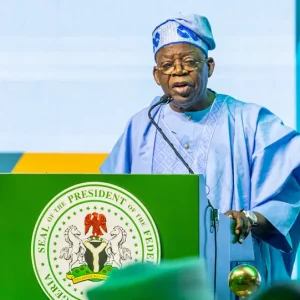
In his remarks, the Vice President, represented by the Special Adviser to the President on Economic Matters, Tope Fasua, stressed the need to better integrate annual budgets with Nigeria’s medium- and long-term development plans.
He said the country must move beyond routine budgeting practices and adopt a more strategic, coordinated approach that links planning directly with implementation.
“This discussion is very important for shaping both present and future policy direction. The key issue is how to ensure that our budgets are properly guided by development plans and how to build a pathway to sustainable growth that improves the lives of Nigerians,” he said.
Shettima noted that budgeting should not be judged solely by economic indicators such as Gross Domestic Product (GDP), but by real improvements in citizens’ welfare, including poverty reduction and increased per capita income.
He defended the proposed N68 trillion 2026 budget, saying budgeting should be seen as a forward-looking tool aimed at achieving national development goals rather than a reflection of constraints.
“Budgeting is about shaping the future, not surrendering to limitations. It is about challenging ourselves to achieve better outcomes for the country,” he said.
The vice president further highlighted ongoing fiscal and revenue reforms, expressing optimism that improved revenue generation and the use of technology would significantly boost government capacity to fund development priorities.
He also pointed to recent policy measures such as tariff reductions on essential raw materials and the removal of duties on pharmaceuticals and manufacturing equipment, noting that these reforms are aimed at stimulating productivity and easing economic pressure on citizens.
Participants at the dialogue agreed on the urgent need to bridge the gap between national development plans and budget execution, warning that failure to do so would continue to result in abandoned projects and stalled development.
They emphasised that stronger coordination, accountability, and a results-oriented budgeting system were critical to achieving Nigeria’s long-term development aspirations.