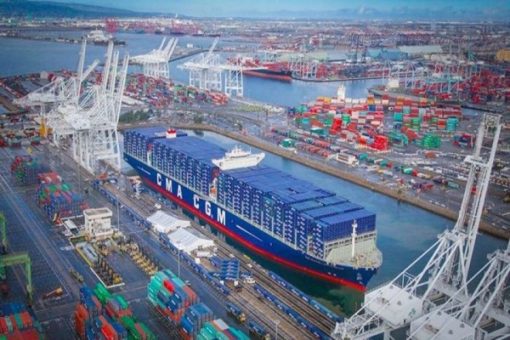
Stakeholders operating within the Lekki Deep Seaport corridor have resolved to take decisive steps to eliminate the persistent traffic gridlock that has plagued the access roads leading to the port and adjoining industrial facilities for over a year.
The resolution was reached during a strategic stakeholders’ meeting convened by the Nigerian Ports Authority (NPA) and presided over by the Lekki Port Manager, Mr Emmanuel Anda, with representatives of Lagos State, Lekki Port, Dangote Refinery, truck owners, the Electronic Truck Call-Up System (ETO), and other critical stakeholders in attendance, reports The Nation.
At the meeting, participants unanimously agreed that stationary trucks and tankers would no longer be allowed to occupy the roads within the Lekki Port corridor, stressing that all vehicles must utilise designated holding bays and waiting areas until they are called into the port or industrial facilities.

The stakeholders who earlier inspected the Lekki Port access corridor observed the extent of the traffic challenge firsthand. Following the tour, they returned with a firm resolution that the situation could no longer be allowed to continue.
Speaking during the meeting, the representative of Mycallup- the electronic truck call-up system for the Lekki Port corridor, Timi Koteolu noted that one of the major contributors to the traffic congestion has been the movement of trucks servicing Dangote Refinery outside the electronic call-up system.
According to Koteolu, many truck drivers operating with Dangote Refinery’s Authority to Collect (ATC) permits have been identified among those parking indiscriminately along the roads while waiting for access into the refinery.
He further disclosed that Dangote Refinery trucks are not presently part of the port’s call-up system, hence the bottleneck.
Responding, the representative of Dangote Refinery, Mr Jaiyeola Moshood, said the ATC issued to tankers serves as their access to their facility.
The ETO management reiterated that trucks without an active call-up should have no business approaching the port corridor and should rather remain in designated waiting areas until the terminals were ready for them.