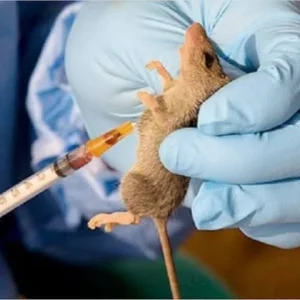
Lassa Fever, the hemorrhagic virus, endemic in parts of West Africa, is now surging with renewed force, overwhelming Nigeria’s fragile health systems and exposing dangerous gaps in preparedness. Containment failures and chronic under-investment have left frontline workers ill-equipped to stem the tide.
As infections climb, experts caution that the crisis is deepening into one of the country’s most pressing health emergencies, reports Saturday Independent.
Nigeria’s battle against Lassa fever has remained dangerously inadequate, despite decades of scientific warnings and repeated outbreaks, thereby worsening the crisis, experts have alerted.

One of them, Prof Dimie Ogoina, Professor of Medicine and Infectious Diseases (NIDS) lamented mounting infections, inadequate response, and structural failures have combined to push the outbreak into a perilous new phase, prompting urgent calls for decisive intervention.
Responding to questions on why containment efforts continue to fall short, Prof Ogoina declared, “The primary challenges are systemic weaknesses in our healthcare infrastructure and insufficient long-term investment in health security, especially at the sub-national level. As a result, responses to public health emergencies like Lassa fever outbreaks tend to be reactive rather than proactive,” the Vice Chancellor of Bayelsa Medical University, who is also the Immediate Past President of the Nigerian Infectious Diseases Society (NIDS), said.
Nigeria’s cumulative case fatality rate (CFR) stood at 18.4 percent in 2025, even as confirmed case numbers showed signs of decline. Prof Ogoina attributed this grim statistic to late presentation, lack of effective drugs, and limited access to specialised centres.
The Nigeria Centre for Disease Control and Prevention (NCDC) reported on Tuesday that Lassa fever has claimed 206 lives in Nigeria in 2025, with five deaths recorded in just one week, pushing the case fatality rate (CFR) to a staggering 23.8 per cent for the week and 18.4 per cent cumulatively for the year. This marks a sharp rise compared with the 16.4 per cent recorded at the same time in 2024.
He warned that the widespread presence of rodent carriers, coupled with the absence of an effective vaccine or treatment, has created “a suitable environment for recurrent outbreaks.”
Fragile State-Level Systems
Prof Ogoina acknowledged that resources have been directed towards surveillance, diagnosis, and treatment, particularly in specialised centres across high-burden states such as Ondo, Bauchi, Edo, and Taraba.
Yet he stressed that early detection remains “nearly impossible” in community settings and most hospitals, as symptoms mimic other febrile illnesses and require advanced equipment for confirmation.
“Specialised treatment centres with modern laboratories and skilled personnel exist in the most affected states,” the Professor of Medicine and Infectious Diseases said, “but more centres are needed both within these states and in other regions. Many patients must travel long distances for care, leading to treatment delays and higher morbidity and mortality.”
“Most patients arrive at hospitals with advanced disease,” Prof Ogoina explained.
“Symptomatic Lassa fever patients often experience multi-organ dysfunction and need care in well-equipped centres where infection prevention and control practices can ensure safety for both patients and healthcare workers.”
Reflecting on Nigeria’s responses to Ebola and COVID-19, Prof Ogoina emphasised the importance of state-level ownership of public health measures. He noted that both outbreaks benefited from whole-of-society support, including private-sector investment, but warned that complacency repeatedly undermined progress once risk perception declined.
Sustained State Support To Accelerate Vaccine, Therapeutic Development
Prof Ogoina highlighted the role of socio-behavioural factors in sustaining transmission.
Practices such as bush burning, unhygienic handling of rodent meat, and leaving food exposed in rodent-prone environments continue to drive community spread.
He cautioned that public awareness peaks during outbreaks but quickly wanes, urging systematic and sustained risk communication.
With 206 lives lost in 2025, Prof Ogoina acknowledged federal investments but insisted they remain insufficient.
He called for greater contributions from state governments, the private sector, and non-governmental organisations.
“The major systemic gap is the lack of sustainable funding, which regularly impedes surveillance and preventive efforts,” the Professor of Medicine and Infectious Diseases said. Accelerated research leading to effective vaccines and therapeutics, he argued, would be “a decisive step forward in controlling Lassa fever in Nigeria.”
State Systems Struggle as Nigeria’s Epidemic Deepens, Iboma Sounds Alarm
Similarly, Dr Godswill Iboma, a senior lecturer at Eko University of Medicine (EkoUnimed), Ijanikin, Lagos, has raised the alarm, warning that the country’s epidemic response is crippled by fractured systems and poor coordination.
Worried Iboma told our correspondent that the fight against Lassa fever has reached a critical breaking point in the country, decrying the absence of coordinated early warning signs, stressing that Nigeria’s health authorities must urgently localise diagnosis and escalate alerts to enable rapid deployment of response teams.
Dr Iboma, who is also former Chief Medical Officer of Lagos State, lamented cracks in disease surveillance and the collapse of back-up systems, including ambulances, which he described as symptomatic of a chain of failures within the nation’s healthcare infrastructure.
“The fatality rate remains stubbornly high,” Dr Iboma declared, noting that 206 Nigerians died in 2025 as delays and funding gaps derailed the fight against the virus. The former Health Facility Monitoring and Accreditation Agency (HEFAMAA) chieftain emphasised that recurrent outbreaks of Lassa fever are not accidental but the result of entrenched environmental, systemic, socioeconomic, and awareness failures.
Environmental, Systemic Failures
According to Dr Iboma, environmental factors such as poor waste management, increased human exposure to rodents, and the easy accessibility of rats to food due to poor handling and storage have created fertile ground for the proliferation of disease-carrying rodents. The Science-based Non-Communicable Diseases (NCD) advocate warned that the high birth rate of rodents, sustained by easy access to food, continues to drive the spread of the virus.
Dr Iboma further highlighted systemic healthcare failures, pointing out weak and late diagnosis as a major setback. “Our diagnostic ability is poor. Lassa fever is often mistaken for malaria or typhoid, and by the time it is correctly identified, valuable time has been lost,” he said. Limited specialised treatment centres, with only a handful of states equipped to handle the disease, and chronic underfunding of healthcare have compounded the crisis.
Socioeconomic realities, Dr Iboma explained, also play a devastating role. Poverty, overcrowding, inadequate housing, and even the consumption of rodents as a source of protein in some communities have heightened vulnerability. Poor health-seeking behaviour among citizens has further worsened the situation, leaving many exposed to preventable risks, the lifestyle advocate noted.
Nigeria’s Lassa Fever Fight Hampered by Weak Systems, Public Health Failures – Dr Madu
Collaborating earlier views, Dr Joseph Madu, Pioneer National Chairman of the Clinical Pharmacists Association of Nigeria (CPAN) said Nigeria’s battle against Lassa fever is faltering due to systemic weaknesses, poor funding, and lack of political will,
Dr Madu declared that “containment efforts against Lassa fever in Nigeria fall short due to weak public health systems, poor education, entrenched socioeconomic and environmental factors, and a lack of political commitment and sustained funding.”
He stressed that disease surveillance has been historically underfunded, leaving the country overly dependent on external aid during outbreaks.
Rural health facilities, where the disease is most prevalent, remain dilapidated, understaffed, and ill equipped, lacking essentials such as personal protective equipment, isolation wards, and diagnostic tools. Delayed diagnosis and mismanagement are common, as early symptoms mimic malaria. Limited laboratory capacity and poor specimen transport further hinder timely confirmation.
Healthcare workers themselves face grave risks. Inadequate infection prevention and control measures in non-specialist hospitals have led to high rates of hospital-acquired transmission, compounding the crisis. Despite ongoing research, Dr Madu noted that “there is currently no approved human vaccine for Lassa fever,” leaving hygiene and awareness as the only preventive measures.
Socioeconomic realities exacerbate the spread. Poverty, poor housing, and inadequate waste management encourage rodent infestations, while traditional practices such as sun-drying food in the open and consuming bushmeat increase exposure. Environmental changes, including deforestation and climate-driven shifts, push rodents closer to human settlements.
Governance failures remain central. Dr Madu criticised “weak political commitment and fragmented coordination,” pointing out that while the Nigeria Centre for Disease Control pursues a “One Health” approach, reliance on donor funding undermines sustained planning. Stigma also discourages early medical attention, raising mortality risks.
He urged a multi-sectoral strategy that harnesses community clinical pharmacists and private rural hospitals. Lessons from Ebola and COVID 19, where community pharmacies were successfully used as vaccination centres, must not be discarded.
Calling for unity among health workers, Dr Madu warned that professional rivalries and strikes weaken Nigeria’s response. “Disease containment is a multidisciplinary and team approach phenomenon. TEAM could be an acronym for Together Everyone Accomplishes More,” he said. He insisted that the government must apply international best practices fairly, citing models from the US, UK, and Canada.
Way Forward
Equally troubling is the lack of public awareness. “Many people simply do not know that rodents can transmit a deadly disease like Lassa fever,” Dr Iboma warned, underscoring the urgent need for nationwide education campaigns.
Looking ahead, Dr Iboma insisted that only a multi-sectoral approach can turn the tide. He called for robust disease surveillance, effective outbreak response, and aggressive rodent control measures. Improved waste management, strengthened healthcare systems, and investment in vaccine research are critical, the public health reformer with advanced training in parasitology said, noting that no vaccine currently exists for Lassa fever.
He urged government authorities to formulate and implement clear policies to confront the epidemic head-on.
“The war against Lassa fever can only be won if Nigeria commits to coordinated action, sustained funding, and genuine political will,” Dr Iboma concluded, warning that failure to act decisively will leave the nation trapped in a cycle of preventable deaths.