
•Dr Priscilia Imade
We are rounding up our discussion on glaucoma in the month of March by looking at glaucoma in children otherwise called Infantile Glaucoma.
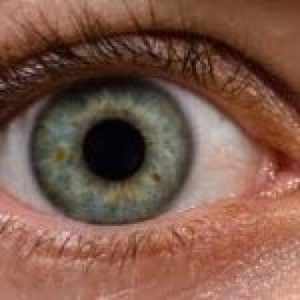
Generally, glaucoma is often thought of as a disease of older adults, but it can also affect children from newborns to teenagers.
When it occurs early in life, it carries a particularly heavy burden because it threatens vision during the years when sight is still developing. Without early detection and proper treatment, childhood glaucoma can lead to lifelong visual impairment or blindness.
WHAT IS GLAUCOMA IN CHILDREN?
Glaucoma in children refers to a group of conditions that damage the optic nerve, the structure responsible for transmitting visual information from the eye to the brain.
This damage is often associated with increased pressure inside the eye, but it can also occur even when the pressure is not extremely high.
The most common form in children is Primary Congenital Glaucoma, which is present at birth or develops within the first few years of life. It occurs due to abnormal development of the eye’s drainage system, leading to poor outflow of fluid and increased pressure within the eye.
Other forms include juvenile glaucoma, which appears later in childhood, and secondary glaucoma, which may result from eye injuries, infections, or other medical conditions.
WHY GLAUCOMA IS DIFFERENT IN CHILDREN
Unlike adults, children’s eyes are still developing. This means that increased pressure inside the eye does not just damage the optic nerve, it can also affect the size and structure of the eye itself.
Children with glaucoma may develop:
• Enlarged eyes (sometimes called “big eyes”)
• Cloudy corneas
• Sensitivity to light
• Excessive tearing
Because children may not be able to describe their symptoms clearly, parents and caregivers play an important role in noticing these warning signs early.
SIGNS OF GLAUCOMA IN CHILDREN
Early detection is important. Parents should seek an eye examination if they notice:
• Unusual sensitivity to light
• Frequent tearing without crying
• Enlarged or bulging eyes
• Cloudiness of the front part of the eye
• Poor visual attention or delayed visual development.
These signs may appear subtle at first, but they should never be ignored.
CAUSES AND RISK FACTORS
Childhood glaucoma may be caused by:
• Abnormal development of the eye’s drainage system
• Genetic factors or family history
• Birth-related conditions
• Eye trauma or inflammation.
In some cases, no clear cause is identified, but early diagnosis remains essential regardless of the origin.
GLAUCOMA DIAGNOSIS IN CHILDREN
Diagnosing glaucoma in children requires careful and often specialised examination. In very young children, this may need to be done under sedation to allow accurate measurement of eye pressure and detailed assessment of the eye structures.
Eye care professionals evaluate:
• Pressure inside the eye
• The appearance of the optic nerve
• Corneal clarity and size
• The drainage angle of the eye
Early diagnosis allows for timely intervention and better visual outcomes.
TREATMENT OF GLAUCOMA
Unlike adult glaucoma, which is commonly managed with eye drops, childhood glaucoma often requires surgical treatment as the first line of care.
Surgical procedures aim to:
• Improve fluid drainage from the eye
• Reduce pressure inside the eye
• Preserve the optic nerve.
Medications may still be used before or after surgery to help control eye pressure, but surgery remains the cornerstone of treatment in most cases.
GLAUCOMA MANAGEMENT
Managing glaucoma in children is not a one-time treatment, it requires lifelong follow-up. As the child grows, the eye changes, and treatment may need to be adjusted.
Regular eye examinations are essential to:
• Monitor eye pressure
• Assess visual development
• Detect any progression of the disease.
With proper care, many children with glaucoma can maintain useful vision and lead normal lives.
CONCLUSION
Childhood glaucoma may be rare, but its impact is profound. The earlier it is detected, the better the chances of preserving sight. Parents should never ignore unusual eye symptoms in a child, no matter how minor they may seem.
Routine eye checks, especially for children with a family history of eye disease, can make a life-changing difference.
Glaucoma in children is a reminder that eye health begins early in life. Protecting a child’s vision means being observant, seeking timely care, and committing to long-term follow-up when needed.
Sight is a gift that shapes learning, development, and quality of life. Safeguarding it from childhood ensures a brighter and clearer future for every child.
*Dr Priscilia Imade is CEO, Modern Eye Clinic, Lagos. E-mail: moderneyecliniclagos@gmail.com
Another edition of the column returns on Monday in The Frontier.