
•Dr Priscilia Imade
The month of November was dedicated to discussing diabetes and its effects on the eyes. We started our discussion on diabetic retinopathy last week but we are rounding it up today with a look at the management.
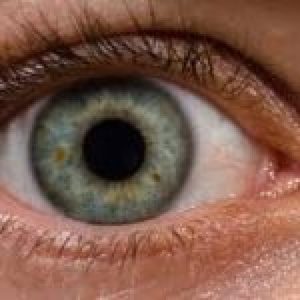
Diabetic retinopathy (DR) is one of the most common and severe complications of diabetes mellitus and it is a leading cause of blindness among adults globally. As diabetes affects the blood vessels throughout the body, the retina in the eye can suffer significant damage, leading to vision impairment.
Diabetic retinopathy is a progressive disease that may not show symptoms in its early stages but can lead to irreversible vision loss if left untreated. Although diabetic retinopathy can lead to severe vision loss, early detection and timely treatment can help manage the condition and preserve vision.
MANAGEMENT STRATEGIES
These include –
1. Blood Sugar Control: Good control of blood glucose levels is the most effective way to prevent or slow the progression of diabetic retinopathy. Consistent monitoring of blood sugar levels and adherence to medication regimens, including insulin therapy are essential.
2. Blood Pressure and Cholesterol Management: Control of blood pressure and cholesterol levels can help protect retinal blood vessels and prevent further damage.
3. Laser Treatment: In advanced stages of diabetic retinopathy, laser therapy can be used to seal leaking blood vessels or shrink abnormal blood vessels.
TYPES
There are two main types of laser treatments:
• Focal Laser Treatment: Targets specific areas of leakage in the retina to prevent further fluid buildup.
• Panretinal Photocoagulation (PRP): Used to treat proliferative diabetic retinopathy, this treatment aims to reduce the growth of abnormal blood vessels by applying laser burns to areas of the retina.
4. Anti-VEGF Injections: Vascular endothelial growth factor (VEGF) is a protein that promotes the growth of abnormal blood vessels in diabetic retinopathy. Anti-VEGF injections are used to block this protein, reducing swelling and preventing the formation of new blood vessels.
5. Vitrectomy: In cases of advanced diabetic retinopathy where bleeding or scarring occurs in the vitreous gel of the eye, a vitrectomy may be performed. This surgical procedure involves removing the vitreous and any scar tissue to improve vision.
PREVENTION
While diabetic retinopathy cannot always be prevented, several steps can be taken to reduce the risk:
1. Regular Eye Examination: Individuals with diabetes should have regular eye examination to detect any early signs of diabetic retinopathy, even before symptoms appear. Early detection allows for timely intervention to prevent vision loss.
2. Maintain Good Control of Blood Sugar Levels: Keeping blood glucose levels within a target range can significantly reduce the risk of developing diabetic retinopathy or slow its progression.
3. Healthy Lifestyle: A balanced diet, regular physical activity and smoking cessation can help improve overall health and reduce the risk of complications associated with diabetes, including diabetic retinopathy.
CONCLUSION
Diabetic retinopathy is a serious complication of diabetes that can lead to significant vision loss if not managed properly.
It is important to note that diabetic retinopathy may not cause noticeable symptoms in the early stages, which is why regular eye examination are recommended for people with diabetes.
*Dr Priscilia Imade is CEO, Modern Eye Clinic, Lagos. E-mail: moderneyecliniclagos@gmail.com
Another edition of the column returns on Monday in The Frontier.