
•Dr Priscilia Imade
Happy new month to all our readers and compliments of the season. We will be discussing avoidable blindness, the different causes and prevention of avoidable blindness this month of April.
Blindness is one of the most feared disabilities, yet a large portion of it is avoidable. According to global health reports, millions of people lose their vision every year from conditions that could have been prevented, treated, or managed early.

According to the World Health Organisation ( WHO ), 80% of the causes of blindness in Nigeria are preventable or treatable.
From infections to lifestyle choices, the causes are diverse but the solutions are often surprisingly simple.
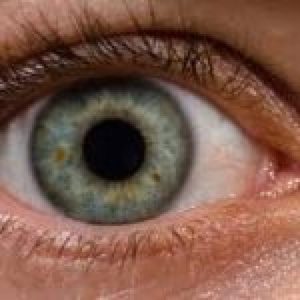
WHAT IS AVOIDABLE BLINDNESS?
Avoidable blindness refers to vision loss that could have been prevented or treated. This includes:
• Preventable causes: Eye injuries, infections, vitamin A deficiency, or exposure to harmful environmental factors.
• Treatable causes: Cataracts, glaucoma, diabetic eye disease, and refractive errors that can be corrected with glasses or surgery.
In short, avoidable blindness is not inevitable. With awareness, access to care and timely action, many lives can retain clear vision.
MAJOR CAUSES OF AVOIDABLE BLINDNESS
Globally, some of the leading causes of avoidable blindness include:
• Cataracts: Clouding of the eye’s natural lens, treatable with modern surgery.
• Glaucoma: Damage to the optic nerve, preventable with early diagnosis and management of eye pressure.
• Refractive errors: Like nearsightedness or farsightedness, correctable with glasses or contact lenses.
• Diabetic eye disease : Controlled through blood sugar management and regular eye checks.
• Infections and injuries: Often preventable with hygiene and safety measures.
SCREENS : A NEW RISK FACTOR
In today’s digital age, one emerging contributor to eye problems is prolonged screen use. Computers, smartphones and tablets demand intense visual focus, leading to:
• Digital eye strain: Tired, dry, or burning eyes.
• Reduced blinking: Causing dry eyes and irritation.
• Posture-related vision issues : As poor ergonomics affect eye alignment and comfort.
While screen use does not directly cause permanent blindness, it can worsen existing eye conditions like glaucoma or increase the risk of myopia in children. Early interventions like regular eye checks, correct lighting, and frequent breaks can reduce the impact.
HOW TO PROTECT YOUR VISION
Preventing avoidable blindness does not always require complex medical care. Key steps include:
1. Regular eye examinations: Especially for children, the elderly, and those with chronic conditions like diabetes or hypertension.
2. Early detection: Cataracts, glaucoma, and refractive errors are much easier to treat when caught early.
3. Healthy lifestyle: Balanced diet, protection from ultraviolet light, and controlling blood sugar and blood pressure.
4. Safe screen habits: Follow the 20-20-20 rule: every 20 minutes, look at something 20 feet away for 20 seconds. Adjust screen brightness and maintain proper distance.
5. Injury prevention: Wear protective eyewear during sports or hazardous work.
CONCLUSION
Avoidable blindness is a preventable tragedy. Awareness, early care, and lifestyle changes can save millions from losing their sight.
As screen use continues to rise in our digital world, it is vital to balance productivity with eye health. By taking proactive steps today, we can ensure that clear vision is not taken for granted.
Sight is priceless. With proper care and vigilance, most blindness can be avoided, and our screens though essential, should never come at the cost of our vision.
*Dr Priscilia Imade is CEO, Modern Eye Clinic, Lagos. E-mail: moderneyecliniclagos@gmail.com
Another edition of the column returns on Monday in The Frontier.