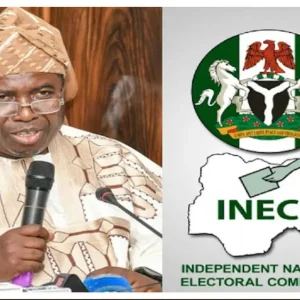
•Princess Adejoh
A former Kogi State Governorship Aspirant and Women’s leader, Princess Grace Iye Adejoh, has condemned the Senate for formally passing the Electoral Act (Repeal and Re-enactment) Bill, 2026, into law, retaining a provision that allows electronic transmission of election results but discarding the mandatory real-time transmission requirement.
The Women Leader, in a press statement, made available to journalists in Lokoja today, said the Senate’s action was contrary to the yearnings and aspirations of Nigerians.
She wondered why those who engaged in peaceful protest supporting the real-time electronic transmission of results were tear gassed, describing it as uncivilised.
“The courage of Nigerians who have taken to the streets demanding electoral transparency deserves recognition. Civic engagement is a sign that democracy remains alive. When citizens speak, it is not necessarily a rejection of the system — it is often a plea to improve it.
“Among the various concerns raised across the nation, one demand stands out for its clarity and legitimacy: real-time transmission of election results. In a constitutional democracy, sovereignty ultimately resides with the people. When citizens vote, they are exercising authority that originates from them. For this reason, the process by which votes are counted and results are declared must not only be credible but visibly credible.
“Real-time transmission of results strengthens public confidence. It reduces speculation. It minimizes the potential for manipulation. Most importantly, it assures the electorate that the outcome they see reflects the will they expressed at the polls.
“Skepticism persists, however. Many Nigerians worry that political actors are often more focused on securing and completing their constitutionally permitted tenure than on implementing reforms that deepen accountability. Whether this perception is fair or not, the responsibility to build trust rests squarely on leadership.
“It is equally important to note that no widely acknowledged agreement appears to bind the present administration to install a predetermined successor. In the absence of such an arrangement, there should be no reasonable fear of transparency. If all aspirants intend to contest in a free and fair election, then strengthening the system benefits everyone.
“While protests reflect urgency and frustration, Nigeria’s experience shows that demonstrations can sometimes escalate beyond their original intent. Sustainable reform is more likely to emerge from consistent civic pressure, legislative engagement, institutional accountability, and executive commitment.
“The current administration has an opportunity to leave a lasting democratic legacy. By institutionalizing real-time transmission of election results before the expiration of its tenure, it can significantly reduce public distrust and elevate the credibility of future elections. Transparency does not weaken governments. It strengthens nations.
“History often remembers leaders not merely for occupying office, but for strengthening the institutions that endure beyond them. This reform offers such an opportunity,” she added.