•Nigerians now trek longer distances amidst high transport costs
Across Nigeria’s bustling cities and rural communities alike, commuters are facing mounting financial pressure as transport fares continue to rise in response to persistent increases in fuel prices.
From daily wage earners to students and small business owners, the ripple effects of higher transportation costs are being felt across every layer of society, further compounding an already challenging economic landscape, reports Daily Independent.
For millions of Nigerians, transportation is not a luxury but a daily necessity. Whether it is the early morning rush to workplaces, trips to markets, or long distance travel between states, mobility remains central to economic survival.
However, in recent months, the cost of getting from one point to another has surged dramatically, leaving many commuters struggling to adjust.
In major urban centres such as Lagos, Abuja, and Port Harcourt, commuters recount how fares have doubled or even tripled on some routes.
A journey that previously cost a few hundred naira now commands significantly higher prices, forcing many to rethink their daily routines.
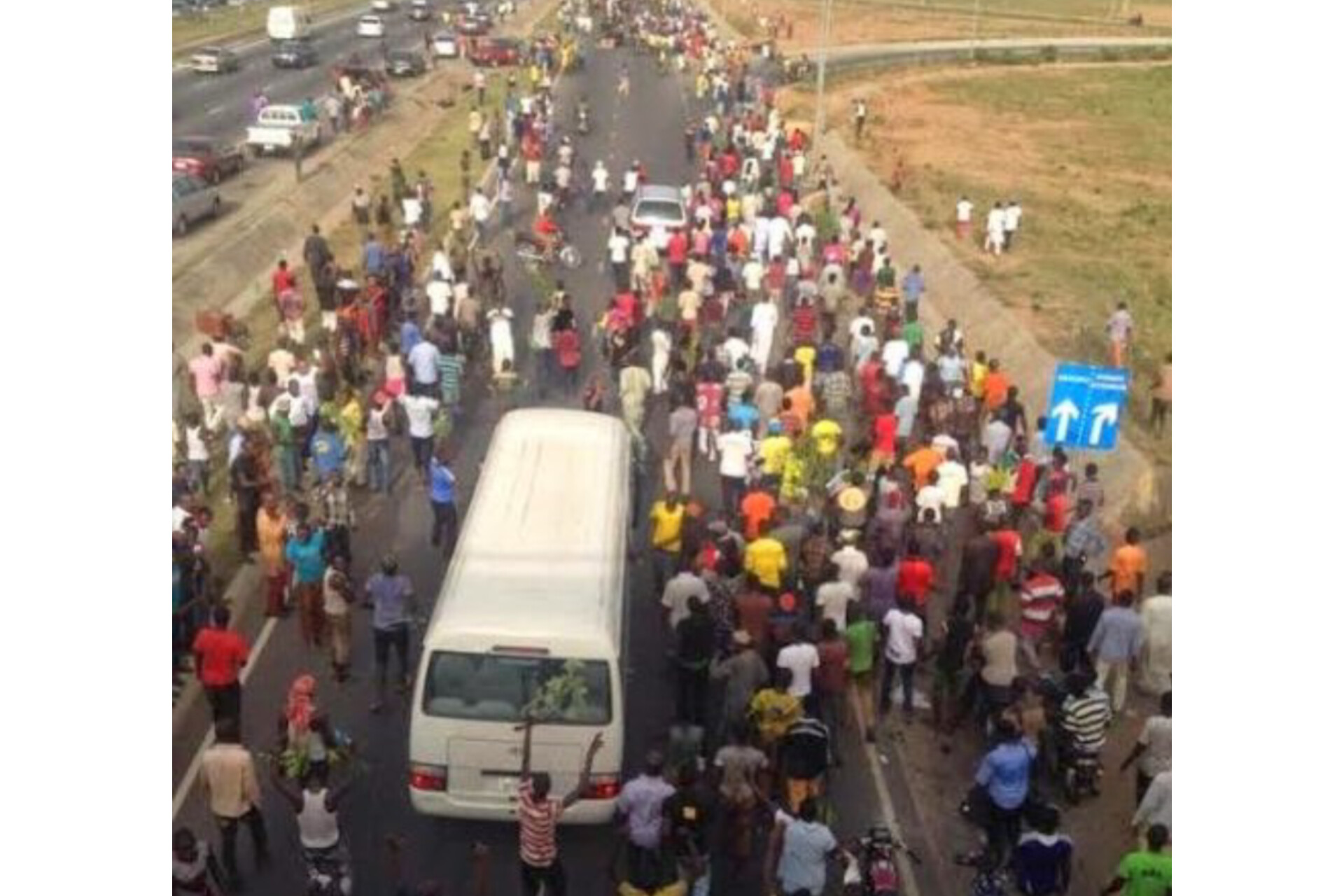
For some, this means cutting down on non-essential trips; for others, it involves waking up earlier to trek longer distances in a bid to save money.
“I now spend almost half of what I earn daily on transport alone,” said a trader in Lagos who commutes from the outskirts of the city to her shop on the Island.
“If I increase the price of my goods, customers complain. If I don’t, I barely make any profit. It’s a difficult situation.”
The root of the problem lies in the continued rise in the pump price of petrol, a development that has had a direct and immediate impact on transportation costs.
With fuel accounting for a significant portion of operating expenses for commercial drivers, any increase inevitably translates into higher fares for passengers. Drivers, grappling with increased costs themselves, argue that fare hikes are not a choice but a necessity.
Commercial bus drivers and motorcycle operators say they are caught in a difficult position. On one hand, they face rising fuel prices, increased maintenance costs, and in some cases, multiple levies imposed by unions and local authorities.
On the other hand, they must contend with passengers who are already overstretched financially and often resist fare increases.
“We understand that passengers are suffering, but we are suffering too,” said a commercial driver operating along a busy Lagos route.
“Fuel prices have gone up, spare parts are more expensive, and we still have to feed our families. If we don’t increase fares, we can’t survive.”
The situation is not limited to urban areas. In rural communities, where transportation options are often limited, the impact of rising fares can be even more severe.
Farmers, for instance, face higher costs transporting their produce to markets, which in turn contributes to rising food prices. This creates a cycle where both producers and consumers are adversely affected.
Economists note that the increase in transport fares is a key driver of inflation, as it affects the cost of goods and services across the board. When transportation becomes more expensive, businesses are forced to pass on the additional costs to consumers, leading to higher prices for everything from food to household essentials.
“Transport is a critical component of the supply chain,” an economic analyst explained.
“When fuel prices go up, transport costs rise, and that affects the price of goods. It’s a cascading effect that ultimately puts pressure on household incomes.”
For low-income earners, the impact is particularly harsh. Many already allocate a significant portion of their earnings to transportation, and the recent increases have pushed some to the brink. Workers who live far from their places of employment are especially vulnerable, as they have little choice but to bear the additional costs.
Students, too, are feeling the strain. In cities with large student populations, such as Ibadan and Benin City, many students rely on public transport to attend lectures and carry out daily activities.
With fares rising, some are forced to skip classes or seek alternative means of transportation, including walking long distances.
The challenges have also reignited discussions around the need for efficient and affordable public transportation systems in Nigeria.
While some cities have made efforts to develop mass transit solutions, these systems often fall short of meeting the needs of the population.
Issues such as limited coverage, inadequate maintenance, and overcrowding continue to hinder their effectiveness.
In Lagos, for example, the introduction of bus rapid transit systems was initially seen as a step in the right direction.
However, commuters argue that the available buses are insufficient to meet demand, leading to long queues and extended waiting times. As a result, many still rely on informal transport options, which are more susceptible to fare fluctuations.
There have also been calls for government intervention to cushion the impact of rising fuel prices on commuters. Some stakeholders advocate for targeted subsidies for public transportation, while others suggest the need for policies that promote alternative energy sources and reduce dependence on petrol.
Labour unions and civil society organisations have repeatedly expressed concern over the burden placed on ordinary Nigerians. They argue that without meaningful intervention, the situation could worsen, leading to increased hardship and social unrest.
In response, government officials have acknowledged the challenges and emphasised ongoing efforts to stabilize the economy. Measures such as investments in infrastructure, support for local refining capacity, and initiatives aimed at improving public transportation are often cited as part of broader strategies to address the issue.
However, for many commuters, these measures offer little immediate relief. The daily reality remains one of difficult choices and constant adjustments. Some have resorted to carpooling or sharing rides to reduce costs, while others have turned to bicycles or walking where possible.
Small businesses are also adapting in various ways. Some have adjusted their operating hours to align with periods when transport fares are lower, while others have relocated closer to their customer base to minimize travel expenses. Despite these efforts, the strain remains evident.
The transport sector itself is undergoing changes as operators seek to navigate the challenging environment. Some drivers have reduced the number of trips they make each day to conserve fuel, while others have shifted to routes perceived to be more profitable. There is also a growing interest in alternative fuel options, although the transition is still in its early stages.
Experts argue that addressing the issue requires a multifaceted approach that goes beyond short-term fixes.
Investments in efficient public transport systems, policies that encourage the use of cleaner and more affordable energy sources, and broader economic reforms are all seen as essential components of a sustainable solution.
Moreover, there is a need for better regulation within the transport sector to ensure that fare increases are fair and justified. While drivers have legitimate reasons for raising fares, unregulated hikes can further exacerbate the burden on commuters.
As Nigeria continues to navigate its economic challenges, the plight of commuters serves as a stark reminder of the interconnectedness of various sectors.
Fuel prices, transportation costs, and the cost of living are all intricately linked, and addressing one requires careful consideration of the others.
For now, commuters across the country continue to adapt as best as they can, finding ways to cope with the rising costs of mobility. Whether through resilience, innovation, or sheer necessity, they persist in the face of ongoing challenges.
Yet, the question remains: how long can they continue to bear the burden?
Until lasting solutions are implemented, the daily journey for millions of Nigerians will remain not just a physical movement from one place to another, but a constant struggle to balance limited resources against ever-increasing costs.