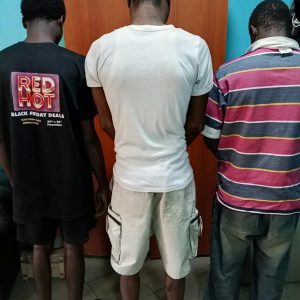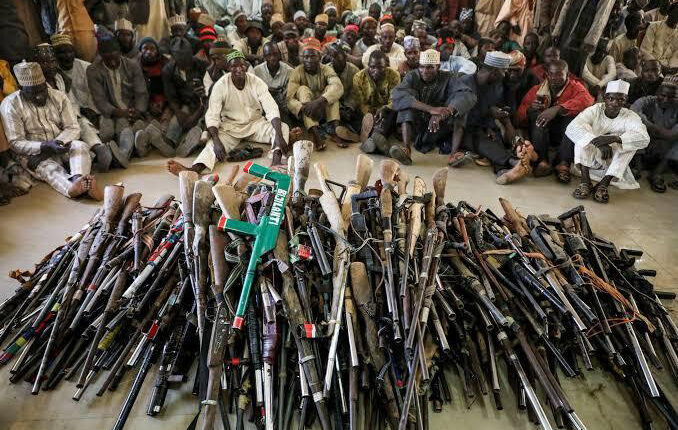
In 2024, Nigeria witnessed a concerning surge in criminal activities, ranging from kidnapping and banditry to phone theft and cultism.
With over 51 million crime incidences reported between May 2023 and April 2024, the nation grappled with an alarming security crisis that touched every demographics and region, reports Saturday Independent.
This surge in crime underpins the urgent need for comprehensive strategies that address immediate security concerns while tackling systemic socio-economic issues.
Kidnappings
Kidnapping emerged as one of Nigeria’s most alarming crimes in 2024, both in terms of frequency and economic impact. According to reports by the National Bureau of Statistics (NBS), 4.14 million households affected, the average ransom payment climbed to N2.67 million, translating to a staggering total of N2.23 trillion extorted from families.
The North-West region recorded the highest number of kidnappings, with 14.4 million incidents, while the North-Central and South-East regions followed with 8.77 million and 6.17 million cases, respectively.
The sheer scale of ransom payments points to a thriving underground economy, sustained by criminal networks exploiting gaps in law enforcement and intelligence.
Inspector-General of Police (IGP) Kayode Egbetokun, during his end-of-year address, emphasised the need for proactive measures to disrupt these criminal syndicates.
Egbetokun said, “We have rescued 1,581 kidnapped victims and arrested over 30,313 suspects for various offenses this year. But we cannot rest. We must dismantle the financial networks that fund these crimes and strengthen community policing to prevent future kidnappings.”
To counter this epidemic, there is a growing call for the government to prioritise intelligence-driven policing, implement stricter financial transaction monitoring, and invest in rapid-response units equipped to handle emergencies effectively.
Meanwhile, the scourge of banditry continues to cripple rural communities across Nigeria. States like Gombe, Bauchi, and Taraba witnessed harrowing attacks in December 2024, with entire villages burned, residents killed, and thousands displaced.
The consequences of these attacks are beyond the immediate victims, as they have affected food security nationwide and disrupted agricultural productivity.
Senator Anthony Siyako Yaro of Gombe South vividly captured the crisis in his Senate motion:
“The attacks on Sansani, Kalindi, Powishi, and other villages have left communities in ruins. These atrocities cannot go unanswered. The government must act decisively to restore peace and protect rural Nigerians.”
The Senate has since proposed the establishment of modern ranches to mitigate herder-farmer conflicts, often a trigger for such violence.
However, experts stress that this initiative must be paired with stronger border security, improved surveillance in rural areas, and sustained dialogue between conflicting groups.
Illicit Drug Use and Drug Trafficking
Illicit drug use and trafficking reached unprecedented levels in 2024, compounding the nation’s security challenges. The National Drug Law Enforcement Agency (NDLEA) reported a record-breaking 22,000 arrests of individuals involved in drug-related offenses this year, with seizures of narcotics worth billions of naira.
Key arrests included the dismantling of international drug rings operating out of Lagos and Abuja, as well as the interception of large-scale methamphetamine and cocaine shipments. The NDLEA also highlighted the growing domestic abuse of substances like tramadol, codeine, and cannabis, particularly among Nigerian youths.
Speaking on the agency’s efforts, NDLEA Chairman Buba Marwa stated:
“This year, we not only intercepted drugs worth over N500 billion, but we also expanded our rehabilitation services, aiding over 11,000 individuals struggling with addiction. However, this fight requires collective action from families, communities, and the government.”
As drug use fuels other crimes, including armed robbery and cultism, stakeholders are urging the Federal Government to intensify border security, enhance community education on the dangers of substance abuse, and provide more funding for rehabilitation programmes.
Sexual Violence: A Persisting Yet Underreported Crime
Despite significant advocacy efforts, sexual violence remains a critical yet underreported issue in Nigeria. Several Nigerians fell victim to sexual offences in 2024, with only about 22.7% of cases reported to law enforcement. The stigma attached to these crimes have contributed to a culture of silence, leaving many survivors without justice.
To combat this, the government has begun implementing policies aimed at strengthening gender-based violence units in police departments, expanding counseling services, and creating safer reporting channels for survivors. Public awareness campaigns, led by civil society organisations, are also gaining momentum to dismantle the shame and fear surrounding this issue.
Everyday Crimes: Phone Theft and Home Robberies
While large-scale crimes often dominate headlines, everyday offences like phone theft and home robberies significantly impact Nigerians negatively. Phone theft is also part of reported crimes, making it the most common offence in 2024.
Unfortunately, a large percentage of robbery cases went unreported due to distrust in law enforcement. This lack of public confidence in the police undermines crime resolution efforts and highlights the need for reform within the security sector.
IGP Egbetokun acknowledged these challenges, pledging improved response times and transparency:
“We are investing in technology and community engagement to rebuild trust. It is our mission to ensure that every Nigerian feels safe in their home and their neighborhood.”
Cultism and Organised Crime: Youth at Risk
Cultism remains a growing concern, particularly in urban areas where it fuels violence, armed robbery, and drug trafficking. The police have arrested thousands of cult members this year, yet the problem persists, driven by a lack of economic opportunities and social inclusion among the youth.
Addressing this issue requires a multi-faceted approach, including the enforcement of anti-cultism laws, community-based educational campaigns, and the provision of skill acquisition programs to engage at-risk youths constructively.
The Role of Policymakers and Legislation
To tackle the nation’s multifaceted security challenges, policymakers must enact and enforce laws that address the root causes of crime. The Senate’s proposal for stricter cross-border regulations and the establishment of ranches to curb herder-farmer conflicts are promising steps. However, implementing these solutions will require political will, adequate funding, and collaboration across government levels.
Senator Adams Oshiomhole emphasised this in a recent plenary session:
“We need laws that reflect the realities of today’s security landscape. Our borders must be secure, our police empowered, and our citizens protected. This is not just a government responsibility; it’s a collective duty.”
Looking Forward to 2025: A Call to Action
As 2024 draws to a close, the security challenges of 2024 have been daunting, but there is room for transformation. Moving forward, the government must prioritise strengthening of community policing. Localised security networks can provide tailored solutions to regional challenges.
Advanced surveillance systems, and improved communication tools are vital for modern policing.
Enhancing Border Security by curtailing the movement of arms, drugs, and criminal elements across Nigeria’s borders is essential.
Empowering Youths will create economic opportunities and fostering inclusion can reduce the allure of criminal activities.
IGP Egbetokun had recently stated that security is not just the responsibility of the government or the police. It requires the active participation of every Nigerian.
The journey to a safer Nigeria may be fraught with challenges, but with collective effort, strategic investments, and unwavering determination, the nation can overcome its security crisis and chart a course toward peace and stability.