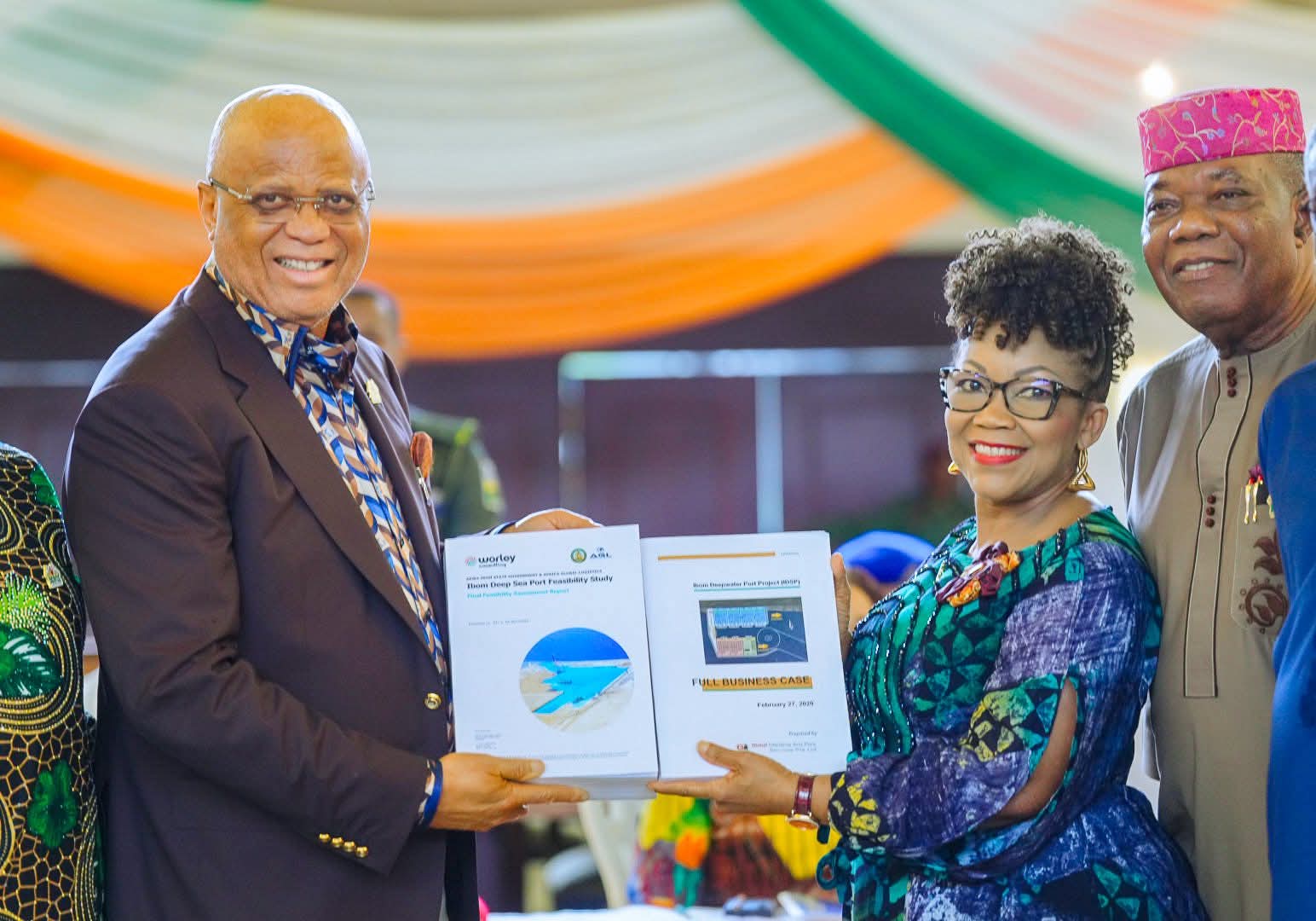
•Governor Umo Eno (L)
Along the tranquil edge of the Cross River estuary lies Oron, an ancient town in Akwa Ibom State whose identity has long been shaped by water, commerce, and maritime culture. For generations, the town’s existence has been intertwined with trade routes and riverine movement, where the rhythm of paddles and engines once defined daily life.
Before the construction of the now-deteriorated Calabar–Itu–Ikot Ekpene highway under Brigadier Udoakagha Jacob Esuene, Governor of the then South Eastern State, the Oron Maritime Jetty served as a vital gateway to the outside world. Canoes, wooden boats, and later mechanised ferries —including the well-known MV Helen — facilitated not only commerce but also social interaction, fostering relationships, partnerships, and community bonds.

Historically, the jetty was more than an infrastructural facility; it functioned as a vibrant hub of economic and social activity. Fishermen returned at dawn with abundant catches from the Atlantic, while traders transported palm oil, cassava, and seafood across regional markets.
Passengers gathered in lively clusters, embarking on journeys to destinations such as Calabar. The environment was characterised by a blend of salty sea air, animated bargaining, and the steady hum of marine engines. Oron flourished as a strategic coastal trade center, linking inland agricultural produce with broader commercial networks.
The jetty also held cultural significance. It was a convergence point of human experiences — where farewells, reunions, business ventures, and aspirations unfolded. It embodied the seafaring heritage of the Oron people, whose expertise in navigation and trade has historically defined their identity.
Over time, however, this vibrancy declined. Shifts in transportation patterns, aging infrastructure, and reduced maritime activity led to gradual neglect.
The once-busy shoreline became subdued, with fewer vessels and diminished economic activity, leaving the jetty as a quiet reminder of its former prominence.
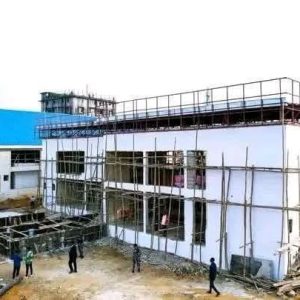
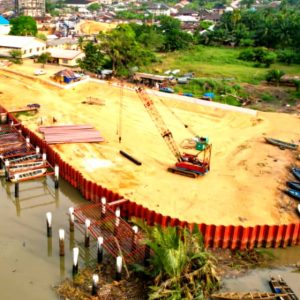
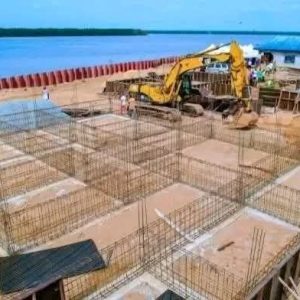
Today, a significant transformation is underway. Under the administration of Governor Umo Eno, the Akwa Ibom State government has initiated an ambitious redevelopment of the Oron Maritime Jetty. The project aims to reposition the facility as a modern maritime hub, incorporating ferry terminals, commercial infrastructure, and recreational amenities.
According to Obom Edet Okon Ikpong, family head of Udua Asang, the jetty has historically benefited from development efforts dating back to Portuguese and British involvement, as well as subsequent administrations.
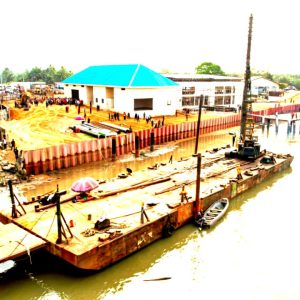
He noted that the current revitalisation has already generated employment opportunities for both indigenes and non-indigenes, while fostering economic awareness and unity within the area.
The reconstruction project includes: A modern terminal and landing jetty, Warehouse and workshop facilities, Cold storage systems and Recreational and tourism infrastructure.
Others are: A 550-meter shoreline protection system, Floating bars and waterfront leisure spaces, Ferries for water transportation and Enhanced maritime security systems.
The Delivery Advisor to the Governor on the project, Mr. Orman Esin, stated that approximately 150 workers are currently engaged at the construction stage, with projections of up to 2,000 direct and indirect jobs upon completion.
The terminal workshop is designed to ensure safe and efficient marine operations, including cargo handling, mooring systems, maintenance, and regulatory compliance. Meanwhile, the recreational components aim to integrate leisure with commerce, featuring marinas, restaurants, parks, and waterfront plazas to promote tourism and economic growth.
This initiative represents more than infrastructural development — it signifies a restoration of identity.
The project seeks to reestablish Oron as a key maritime and economic hub in Akwa Ibom State, reconnecting it with its historical legacy while positioning it for future growth. Planned ferry services will also revive regional waterway transportation, linking Oron to neighboring coastal cities.
Today, the Oron waterfront reflects both its past and its future. The echoes of its historic vibrancy now blend with the sounds of construction and renewal. No longer a relic of decline, the jetty is emerging as a symbol of transformation and resilience.
The story of the Oron Maritime Jetty is one of continuity and renewal — shaped by tides, marked by decline, and now defined by revival. Like the sea that borders it, Oron’s maritime spirit endures, carrying forward the legacy of its past while embracing the promise of tomorrow.