The National Assembly yesterday approved a N1.5 trillion budget proposal for the Nigerian Army for the 2026 fiscal year, pledging to support timely release of funds to ensure effective implementation.
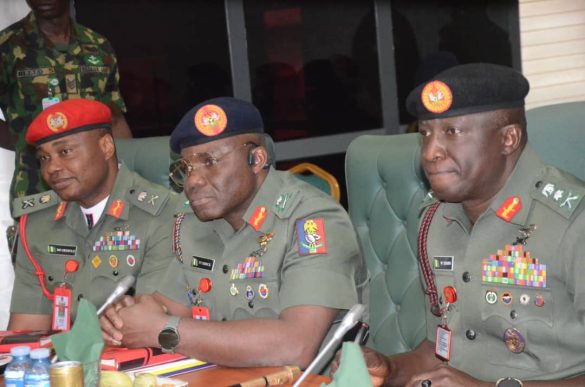
The approval followed a joint budget defence session in Abuja by the Senate and House of Representatives Committees on Army, where the Chief of Army Staff, Lt. Gen. Waidi Shaibu, presented details of the proposed expenditure, reports Daily Independent.
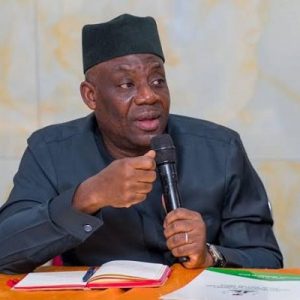
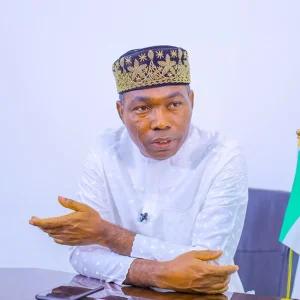
Senator Abdulaziz Yar’Adua, Chairman of the Senate Committee on Army, said lawmakers were satisfied with the presentation but expressed concern over delays in fund releases, a recurring issue affecting all Ministries, Departments, and Agencies.
“We are committed to collaborating with the Chief of Army Staff to ensure success. The Army is critical to our nation’s security, and we will support it with everything necessary,” Yar’Adua said.
House Committee on Army Chairman, Aminu Balele, commended the Chief of Army Staff and personnel for their dedication and promised sustained legislative pressure to guarantee prompt disbursement of appropriated funds.
“I want to thank my Senate counterpart and colleagues for joining hands on this national assignment. We will continue to push for the timely release of funds, so the Army can fulfill its mandates,” Balele said.
The N1.5 trillion allocation comes amid ongoing calls for increased funding of Nigeria’s security forces as the country battles insurgency, banditry, kidnapping, and other violent crimes.
For over a decade, the Nigerian Army has led counter-insurgency operations against Boko Haram and the Islamic State West Africa Province in the North-East, while confronting armed bandits in the North-West and North-Central regions. Troops also maintain internal security operations across the country.
Security experts have emphasized that modern security challenges require continuous investment in equipment, intelligence gathering, troop welfare, logistics, and training. Delays in fund releases, they warn, disrupt operations and affect morale.
The National Assembly has faced public pressure not only to approve larger security budgets but also to strengthen oversight to ensure transparency and value for money.
The 2026 allocation is seen as both a financial commitment and a political signal of support for ongoing military operations.
Lawmakers stress that timely fund release will be key to translating the approved budget into operational success.