Succour may have eventually come the way of telephone service subscribers in the country as telecom operators have started paying customers for poor network service.
This development follows a directive from the Nigerian Communications Commission (NCC), which ordered operators to compensate users for failing to meet quality standards between November 2025 and January 2026.
Today, telecom operator, Airtel Nigeria, which has over 63.6 million subscribers as of first quarter of 2026, sent SMS notifications to alert qualified customers of the compensation, reports The Guardian.
The message informed customers that compensation had been applied and could be checked using a USSD code. In many cases, however, the amounts were modest, ranging from as low as N167 to about N295.
The SMS reads: “Dear customer, you have been credited with compensation airtime for service quality issues (Nov 2025 – Jan 2026). Dial *310# to check. Thank you.”
While amounts vary based on usage and location, customers have reported receiving credits ranging from N167 to over N500, with most payouts falling under the N1, 000 mark.
Last week, news filtered in that MTN Nigeria has begun compensating subscribers with airtime for poor network quality experienced in January 2026. Affected users received airtime credits ranging from N20 to over N341.
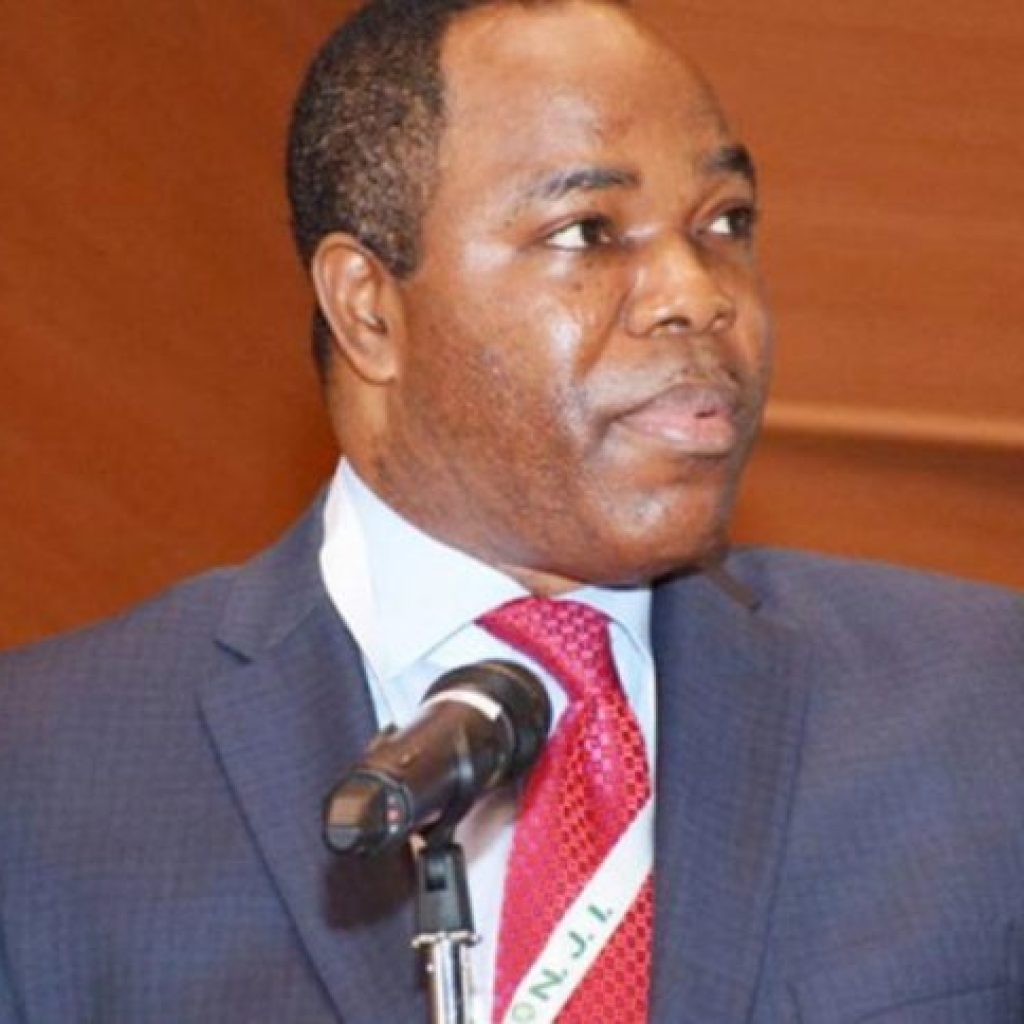
Speaking at a media briefing in Lagos last month, NCC Executive Vice Chairman Dr Aminu Maida declared that the era of mere warnings was over.
“This is about giving back value to subscribers, who have experienced poor service. It is not a refund from the regulator but a compliance obligation placed on service providers,” Maida stated.
The compensation specifically targets service failures recorded between November 2025 and January 2026. Unlike regular promotional bonuses, this “clean credit” has no expiry date and can be used for data, calls, or SMS.
Subscribers do not need to apply or visit service centers. The NCC has mandated that operators automatically detect network failures at the Local Government Area (LGA) level—a granular monitoring system designed to reflect real user experience rather than general averages.
To qualify, a subscriber must have been in an affected LGA and performed a “billed activity” (call, text, or data use) during the outage period.
To prevent future payouts, the NCC is simultaneously demanding massive infrastructure investments. Maida revealed that telcos have committed to approximately 12,000 network upgrades in 2026, a drastic increase from just over 300 upgrades last year. One major operator has already pledged over $1 billion in fresh capital expenditure.
While many subscribers celebrated the credit, some questioned the methodology. “I received N295. While I appreciate the gesture, does that truly cover the value of calls I lost during the festive season?” asked a Lagos-based banker, Toyin Adekunle.
Industry analysts noted that while the payouts are a win for consumer rights, the ultimate goal is service improvement.
“The policy’s success hinges on operators meeting key performance indicators. If service improves, the compensation flow will dry up,” an analyst stated.