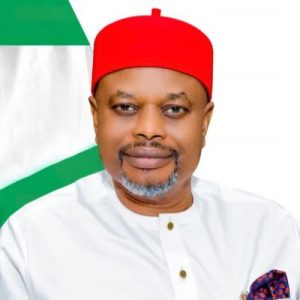
•Tinubu
Saturday Vanguard visits their IDP camps, the living graveyards, and captures their horror stories
I did not carry bread, tea, pap, water and toiletries into the Makurdi International

Market Camp as a journalist chasing a story, or as a lecturer with a title.
I did not go as an observer, not even as a witness.
I went because I could no longer look away. I went as a daughter of the soil, as a neighbour. My house is just a stone’s throw from the camp.
One of the IDP camps at North Bank has become an integral part of my daily routine. Every morning on my way to school, I stop there. They know me now not as a passerby, but as one of their own. Some of the mothers visit me every Saturday at home.
We sit, we talk, we share and sometimes we cry. What started as a small gesture has grown into a bond that will outlive displacement.
A quiet sisterhood carved out of resilience and shared humanity.
What humbles me most is how they carry their pain with such profound grace, remaining unshaken by the weight of their challenges, that it makes you pause. It makes you question why you even complain about the trivialities in your own life. In their laughter, in their strength, in their dignity, there is a lesson, one that the world desperately needs to learn.
These are no longer nameless faces on the margins of a tragedy. They are my people. And in the ruins of what was, we have built something enduring, something the world must see, must feel, must never forget. We have formed a bond that no circumstance can undo, a sisterhood that would remain even when they return to the ancestral homes they were forced to flee.
Inside the camp, hope hung thinner than the smoke that rose from makeshift kitchens. Children trailed behind me barefoot, not begging for food, but simply curious, curious that someone came who wasn’t handing them ration cards or preaching peace.
The first woman I met had no name to give. She simply said, “I’ve lost too many people to remember what to call myself.” Her eyes were rimmed red, not from tears, but from staring too long at the ground, hoping maybe it would open up and return her sons. “I lost four that night,” she told me. “They came after we had just returned from the farm. We hadn’t even made luam (Tiv name for Fufu)
There was a girl, Dooshima, barely 15, holding a screaming baby. The baby was her little sister, their mom had died in the attack. “She doesn’t stop crying,” she told me. “My mum asked us to run, leaving her behind. The baby was on my back when we ran. I turned to call my mother. I didn’t see her again.” Days later, they found her by the burnt barn. Her words were still. Her pain had fossilized. I said nothing, because what does one say when death is the most constant presence in a child’s life?
I met a boy named Terver. Eight years old. He looked like any other child, except he had no smile, no song, no mischief in his eyes. When I asked him where he came from, he said, “I don’t come from anywhere. I come from running.” He had lost both parents in the Yelewata massacre.
He said, “my Dad and Mom were burnt like charcoal I couldn’t differentiate which corpse was Mom’s or Dad’s.” He said it the way you describe the weather. Like it didn’t matter anymore.
Further inside the camp, I found a woman with twins who gave birth in a makeshift pit latrine shack because the clinic was overcrowded and far. “I didn’t scream,” she told me. “I bit my hand to stop myself from making noise. I was scared they would hear me.” The twins lived. But for how long?
This was no ordinary attack. This was terror scripted and directed for maximum horror. They came at night, at about 10 pm, herded families into their homes, locked the doors from outside and set fire to everything. In one house, forty-five people burned to death, entire generations turned to ash.
In another house, twenty-eight people were charred beyond recognition. A mother lost her five children, burnt alive alongside her aging mother. Nothing was spared. No one.
At the teaching hospital, I met a man cradling a miracle. His six-month-old baby had just been pulled from rubble three days after the attack, alive. Dehydrated, bruised, but alive. “My wife and four other children were found in pieces,” he said, voice shaking. “Only this one survived. Maybe God still sees me. I don’t know.”
Every single family in Yelewata recorded multiple deaths. Some compounds had no survivors. They are still pulling bodies from the ruins. Some have no heads. Some, no legs.
Some, just piles of charcoal and bone. These are the people the federal government calls displaced. No, they are not displaced. They are erased.
Names of some dead ones released
The names tell the story of a people being wiped out while the world watches in silence. Fanen Chii. Doom Chii. Terzungwe Chii. Edeember Uke. Aondodoo Uke. Adohi Dooga. Mbanyiar Dooga. Ikyoche Dooga. Awanboi Dooga. Regina Dooga. Adoo Dooga. Aondofa Dooga. Mathew Iormba. Apam Iormba. Philomena Iormba. Akama Iormba. Ngodoo Iormba. Kumawues Iormba. Nensha Iormba. Victoria Tsegba. Ngodoo Tsegba. Mimidoo Tsegba.
Dorathy Tsegba. Msendoo Tsegba. Iorgyer Kyule. Ute Dooga. Shaadye Koornam. Sewuese Iorember. Dooshima Aondoana. Agbogo Aondoana. Erdoo Aondoana. Orsoja Ikpakyaa. Injinia Ikpakyaa. Chia Orshio. Uyina Orshio. Katie Orshio. Myuega Orshio. Usha Orshio. Philomena Orshio. Alia Orshio. Lydia Ajah. Terdoo Ajah. Iwuese Ajah. Orbuter Anya. Terzungwe Akpen. Aondohemba Akpen. Ushana Akpen. Shater Akpen. Mercy Akpen. Isaac Akpen. Doowuese Ugbah. Ngodoo Ugba. Manta Simon. Manta Laadi. Manta Iwuese. Doose Asoo. Aondosoo Asoo. Terlumun Fidelis. Yakov Shagwa. Margaret Shagwa. Erdoo Shagwa. Dooauur Shagwa. Sewuese Shagwa. Logo Ukô. Eunice Tyokuwa. Jude Aza. Kwaghhar Ordue. Doosuur Ordue. Terngu Nongotse. Msugh Nongotse. Dooshima Nongotse. Orlogbo Lamaaondo. Laadi Lamaaondo. Awan Shiôr. Aondohemba Ucha. Bonashe Uzer. Amaki Dende.
Angbiandoo Dende. Festus Amaki. Mbaufe Ubi. Matthew Uto. Doopinen Uto. Kumater Uto. Terhile Uto. Versuwe Zerkohol. Mbakeren Aondovihi. Monday Aondovihi. Erdoo Aondovihi. Joe Aondovihi. Mwarga Aondovihi. Felicia Gwabo. Mary Gwabo. Terhemba Gwabo. Jirgema Gwabo. Mercy Dende. Lubem Dende. Uwundu Iorhemen. Gabriel Fide. Aondoana Fide. Ukese Fide. Averter Fide. Mwaraorga Fide. Terkimbir Solomon. Amina Kongo. Terkula Kongo.
Aboi Asoo. Shater Amaki. Lumunga Gbem. Doose Ayom. Mama Mfanyi. Samson Uke. Aboi Korna. Aondoawase Lamaaondo. Ormbagba Utim. Mermber Lamaaondo. Doose Ordue. Torsaar Adam. Doose Adam. Nguyilan Adam. Terver Ucha. Agon Ucha. Aondohemba Ucha. Atuur Asom. Uvershigh Asom. Nongo Ulam. Aondoaver Ulam. Ayangealumun Azahan. Nguzugwen Torgeri. Washima Nyiyongu. Tarnum Zerhemba.
We are yet to gather the names from Tse-Ikyoon, Tse-Viambe, Tse-Hwar, Tse-Iortyer, Tse-Aguun, Mbagbanger, Tse-Ikyegh, Tse-Chule, and more villages where nothing remains but silence.
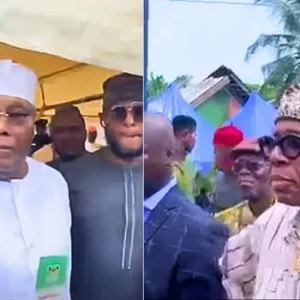
Tinubu visits as Benue displaced indigens rise to 900,000
Over 900,000 people are now displaced across Benue State. Children are growing up in camps with no access to proper food, education, or medical care. And in the face of this unspeakable tragedy, the federal response has been delayed, muted, perfunctory. It took yet another massacre over 200 people wiped in Yelewata for the president to visit.
And even when he came, he brought platitudes and prescriptions, not policies or presence. A committee here, a blood donation call there, a mention of ranching, and vague promises. But the blood had already dried by then. The soil had already soaked it in.
He called for peace. He asked why arrests had not been made. He suggested a committee of elders and said, “We will convert this tragedy into prosperity.” But Mr. President, have you ever stood beside a mother who just buried her five children in one grave? Have you seen a man cradle the only surviving piece of his family, a six-month-old baby with burns? You came to Benue, but you didn’t come to us. You came to speak, but you didn’t come to feel.
Sir, we didn’t need poetry. We needed presence. Precision. Protection
What Benue people expected to hear from President Tinubu
What we hoped the president would say was to name what is happening, terrorism. Genocide. Ethnic cleansing. We wanted him to say, “This is a war on the Nigerian farmers, and I will deploy all federal might to stop it.” We wanted him to say, “We are launching Operation Save Benue Now.” Instead, he told us to lead the way. As if a people hunted from their ancestral homes are the ones meant to blaze the trail for national security.
We wanted him to say, “Here is N100 billion for rebuilding, for restoring, for returning displaced people to their lands.” Instead, we heard talk of peace committees.
We wanted him to say, “I hear your cries, I see your graves, I feel your loss.” But the only thing we heard clearly was that peace is good for development.
But where is development without survival?
How does one talk of ranching while children burn?
How do we ask displaced farmers to return to ashes?
How do we ask them to form peace committees with hands still covered in the dirt of fresh graves?
Where is the plan for resettling displaced persons?
When will military bases be established in the vulnerable areas of Guma, Gwer-West, Logo, and Agatu?
Where is the justice for the thousands of lives lost?
Will the federal government declare the attackers as terrorists, or will we continue to downplay the horror?
These are questions we want answers to.
It was Tor Tiv, Professor James Ayatse, who told the hardest truth. Said he: “This is not herder-farmer clashes… It is a full-scale genocidal land-grabbing campaign. It is a total invasion.”
Yet the federal government continues to describe these horrors with vague terms like clashes, reprisals, skirmishes. No. This is calculated violence, ethnic cleansing by fire and fear.
The people didn’t want condolences. They wanted security. They didn’t want to hear about peace committees. They wanted military boots in their villages, now. They didn’t want to hear political poetry. They wanted justice loud, visible, swift.
As I left the camp that morning, a little girl stood before me with a stick she used like a microphone. She said, “Welcome to my news. I live here. My house is fire now. My mummy is black in the ground.” Then she smiled, and sent me on an errand; “Please, tell Abuja we want to go home”.
I turned away because I could not take it anymore. As I was about to walk out of the premises, a man grabbed my hand firmly, but not in hostility. His name was Agber. He had lost his wife and three daughters in the attack. “Please tell them,” he said. “Tell Abuja we are still human beings here. Tell them to stop sending words. We need action. We need to go home”. I promised I would. And that’s why I am writing this.
Let us never again say “herder-farmer clash.” This is not a clash. It is a calculated extermination, a total invasion, genocide and land grabbing and if Nigeria remains silent, it becomes complicit. These names are not just a list. They are an indictment. They are our history’s shame. But maybe, just maybe, if we write them loudly enough, if we say them with enough truth, if we remember them fiercely enough they won’t die a second death in silence.
Mr. President, this is your country. These are your people. Their bones are your burden. Their names are your legacy. Do not let them vanish again.
The death toll from the latest massacre in Yelewata is over 200. Benue currently hosts more IDPs than any state outside Borno and Zamfara. Yet the camps receive little to no sustained federal funding. No resettlement policy exists. The killings continue with no solid plan in place.