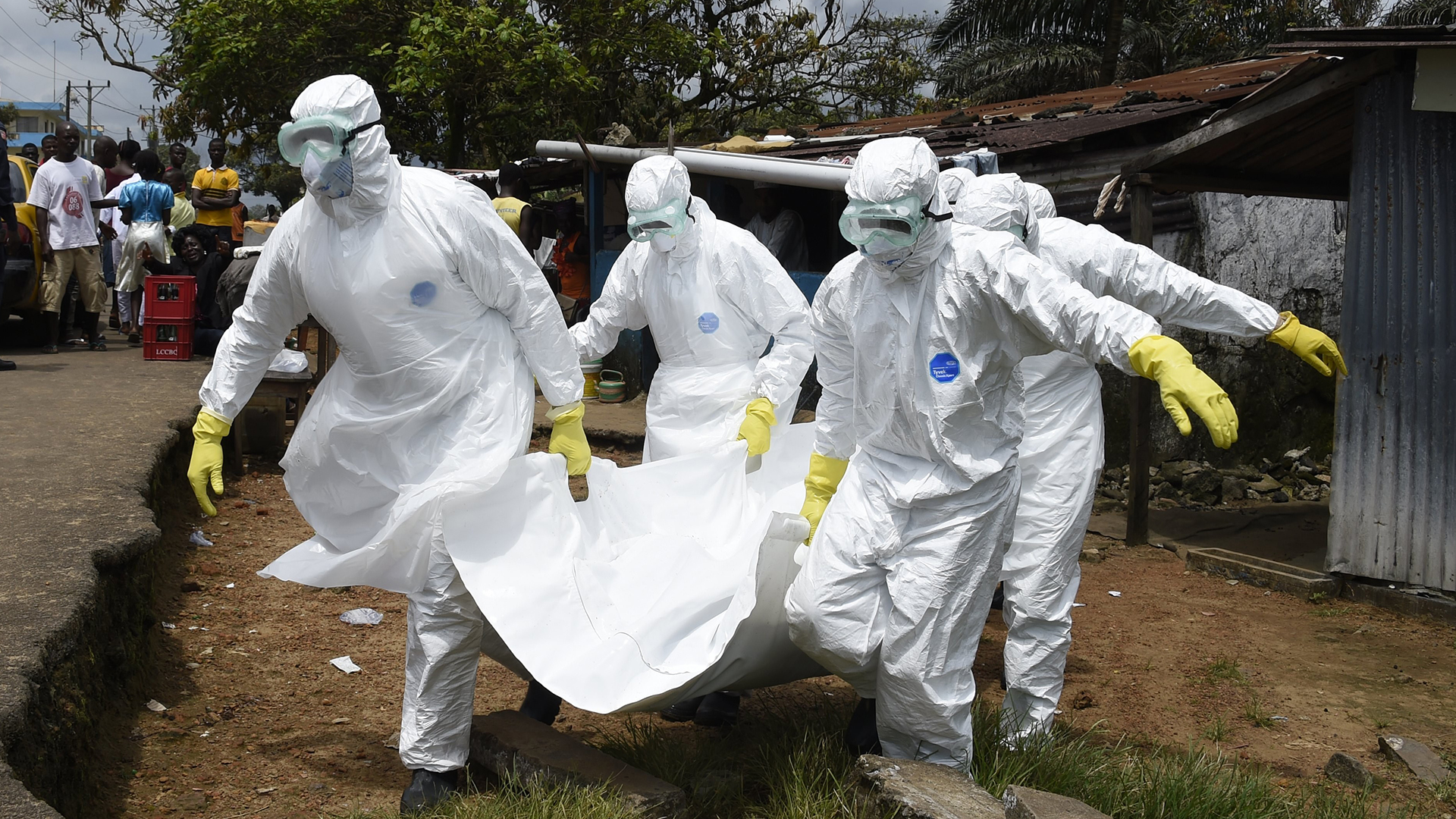
•Ebola outbreak
The Lagos State government has launched a statewide Ebola Virus Disease (EVD) awareness campaign, codenamed “Operation Lagos BioShield”, in a major preventive move aimed at shielding residents from the deadly virus amid fresh outbreaks in parts of East and Central Africa.
The initiative signals heightened vigilance by authorities determined to prevent the importation of Ebola into Nigeria’s commercial capital through strengthened public awareness, surveillance and preparedness measures, reports Daily Independent.

Announcing the campaign on weekend, the Commissioner for Health, Prof. Akin Abayomi, assured residents that there is currently no confirmed case of Ebola Virus Disease in Lagos State or anywhere in Nigeria.
He stressed that the exercise should not be mistaken for an emergency response, insisting that the state government was acting ahead of any potential threat in line with global public health best practices.
“This campaign is not a response to a crisis. It is a proactive measure to strengthen public awareness, preparedness, and prevention,” Abayomi said.
According to the commissioner, the initiative underscores the government’s commitment to safeguarding public health through early intervention, strategic communication and sustained disease prevention efforts.
Abayomi disclosed that the ongoing outbreaks in the Democratic Republic of Congo and Uganda involve the Bundibugyo strain of the Ebola virus, a variant for which there is currently no widely available licensed vaccine or specific antiviral treatment.
He warned that the absence of readily available treatment options makes prevention and early detection critical pillars in efforts to stop the spread of the disease.
“Prevention, early detection, rapid isolation, and supportive medical care remain our most effective tools,” the commissioner stated.
He emphasised that informed communities are better equipped to respond appropriately during public health threats, noting that awareness remains essential in preventing panic and limiting transmission risks.
Seeking to dispel misconceptions, Abayomi explained that Ebola is not transmitted through casual social contact or ordinary interaction among members of the public.
Rather, he said, the virus spreads through direct contact with the blood, bodily fluids or contaminated materials of an infected person who is already showing symptoms of illness.
The commissioner noted that accurate public information would help curb stigma, discourage misinformation and preserve social cohesion during periods of heightened health concerns.
Highlighting Lagos’ strategic importance, Abayomi described the State as a major transport and economic hub with extensive air, land and maritime connections to countries across Africa and beyond.
He said those connections make vigilance imperative, particularly at a time when neighbouring regions are battling active Ebola outbreaks.
To strengthen preparedness, he revealed that the federal government and Lagos State government are collaborating closely with aviation, maritime, border health and public health authorities.
The collaboration, he said, is focused on enhancing surveillance systems and tightening screening procedures at all entry points into the State and country.
Abayomi further announced that health authorities would intensify public enlightenment campaigns in the coming weeks across communities, schools, workplaces and homes.
The campaign will provide information on Ebola symptoms, prevention measures, reporting channels and practical safety guidelines designed to reduce the risk of infection.
He urged residents to rely solely on verified information from recognised authorities and support ongoing efforts to protect public health.
The commissioner advised travellers returning from affected countries to remain alert and seek immediate medical attention if they develop symptoms including fever, weakness, vomiting, diarrhoea or unexplained bleeding.
Such individuals, he said, should contact emergency lines 112 or 767, or reach the State Epidemiologist while limiting contact with others until professional guidance is received.
Drawing confidence from Lagos State’s successful containment of Ebola in 2014, Abayomi expressed optimism about the State’s capacity to respond effectively to any future threat.
He recalled that decisive leadership, effective surveillance, rapid response mechanisms and cooperation from residents and healthcare workers helped contain the disease and protect millions of lives.
Reaffirming the state’s readiness, the commissioner declared that Lagos remains vigilant, prepared and committed to safeguarding every resident against potential public health threats.
“Today, we remain prepared, vigilant, and committed to safeguarding the health of every Lagosian. Together, we will keep Lagos safe,” he said.