
•Dr Priscilia Imade
When you look at the world, your eyes work like a finely tuned camera, capturing clear, focused images that allow you to see beauty, colour and detail.
But when you live with diabetes, that clear lens inside your eye can gradually become cloudy, turning the world around you into a blur.

This condition is called a cataract and when it develops as a result of diabetes, it is known as a diabetic cataract.
WHAT IS CATARACT?
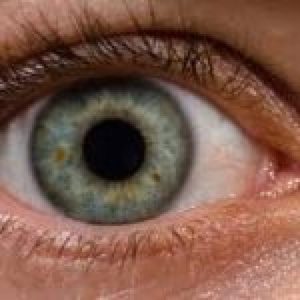
A cataract occurs when the natural lens of your eye, which should be crystal clear becomes cloudy or opaque.
Normally, light passes through this lens easily and focuses sharply on your retina, allowing you to see clearly. But when the lens becomes cloudy, the light entering your eye gets scattered or blocked, causing blurred or dim vision.
Everyone may develop cataracts as they age, but if you have diabetes, cataracts can appear much earlier and progress faster than in people without diabetes.
HOW DIABETES CAUSE CATARACT
Inside your eye, the lens is made mostly of water and special proteins arranged in a very precise way to keep it clear. When your blood sugar stays high for long periods, excess glucose seeps into the lens. This glucose is converted to a substance called sorbitol, which attracts water and disrupts the structure of the lens fibers. Over time, these changes make the lens swell, become less transparent and gradually turn cloudy.
This process is what leads to diabetic cataract which is a condition where your vision becomes hazy, as if you are looking through a foggy window.
SYMPTOMS
1. Your vision is blurry or cloudy, even with your glasses on.
2. Colours appear faded or yellowish.
3. You are sensitive to bright light or glare, especially while driving at night.
4. You need frequent changes in your glasses prescription, yet nothing seems sharp.
5. You find it difficult to read or recognise faces clearly.
If you experience any of these symptoms, it may be a sign that a cataract is forming.
HOW IT IS DIAGNOSED
At your eye examination, your optometrist or ophthalmologist will shine a light into your eye and look through your pupil to inspect the clarity of your lens. This test, along with visual acuity measurements, helps determine how much your cataract affects your sight. In diabetic patients, it is also important to check the retina for diabetic retinopathy, because both conditions can exist together and contribute to vision loss.
TREATMENT FOR DIABETIC CATARACT
Unfortunately, once a cataract forms, no medication or eye drop can make it go away. The only effective treatment is cataract surgery. During this procedure, the cloudy lens is removed and replaced with a clear artificial lens called an intraocular lens (IOL).
The surgery is safe, quick, and highly successful when your blood sugar and blood pressure are well controlled before and after the procedure.
After surgery, you can expect clearer, brighter vision, provided there are no other eye complications such as diabetic retinopathy.
PREVENTION
Even though cataracts are common, you can significantly delay or reduce your risk of developing them by:
1. Keeping your blood sugar within target range daily.
2. Monitoring your HbA1c regularly with your physician.
3. Wearing UV-protective sunglasses when outdoors.
4. Eating a balanced diet rich in fruits, vegetables, and antioxidants.
5. Avoiding smoking and excessive alcohol intake.
6. Having your eyes examined yearly to detect early changes before they affect your vision.
WHY YOU SHOULD ACT EARLY
When you live with diabetes, your eyes deserve special attention. Ignoring cloudy or blurred vision can delay diagnosis and make surgery more complicated later on. At Modern Eye Clinic, we believe that no one should live in the dark because of preventable eye disease. With regular eye checks, timely intervention, and proper blood sugar control, you can continue to enjoy a clear and vibrant view of the world.
Your sight is too precious to take for granted. If you have noticed that your vision seems foggy or dull, do not ignore it. This could be the start of a diabetic cataract. Book your Vision Preservation Eye Test today and let our team help you keep your eyes clear and healthy.
*Dr Priscilia Imade is CEO, Modern Eye Clinic, Lagos. E-mail: moderneyecliniclagos@gmail.com
Another edition of the column returns on Monday in The Frontier.