
•Dr Priscilia Imade
Glare is a common visual disturbance that drivers encounter, particularly during night driving or when exposed to direct sunlight.
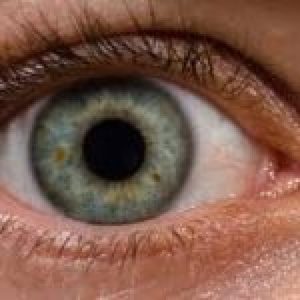
It occurs when intense light enters the eye, overwhelming the visual system and causing discomfort, reduced visibility and sometimes temporary blindness.
This week’s focus is on understanding how glare affects driving, the types of glare drivers face, and strategies to manage glare for a safer driving experience.
WHAT IS GLARE?
Glare is defined as the visual discomfort or difficulty in seeing what occurs when an intense or bright light source overwhelms the eyes.
It happens when a large amount of light enters the eye and scatters, reducing the eye’s ability to perceive details, contrast, and colors accurately.
This overwhelming brightness can cause discomfort, reduce visibility, and, in some cases, temporarily blind or impair a person’s vision.
It can significantly reduce contrast and visibility, making it challenging to distinguish between objects or perceive the road ahead. Glare is especially problematic when driving because it can lead to delayed reaction times and poor decision-making.
TYPES OF GLARE
There are two main types of glare that drivers commonly experience:
1. Disability Glare: This type of glare occurs when bright light reduces the contrast of the retinal image, making it difficult to see objects on the road. For example, the headlights of an oncoming car can create disability glare, temporarily blinding a driver and reducing their ability to see the road, pedestrians, or other vehicles. Disability glare is particularly dangerous as it can significantly impair a driver’s ability to navigate safely, especially in situations that require quick reactions, such as at intersections or on busy highways.
2. Discomfort Glare: Discomfort glare causes a sensation of discomfort without necessarily reducing visual performance. It is the feeling of being overwhelmed by bright light, such as the sun shining directly into the eyes or the reflection of sunlight off wet pavement or other vehicles. While discomfort glare may not directly impair the driver’s vision, it can lead to eye strain, fatigue, and distraction, potentially reducing the driver’s overall alertness and ability to focus on the road.
WHAT IS THE IMPACT OF GLARE ON DRIVING?
Reduced visibility: Glare can significantly reduce a driver’s ability to see clearly, especially at night or in low-light conditions. When the eye is exposed to intense light, it takes time to adjust, which can delay the driver’s ability to see hazards or read road signs. This reduction in visibility is particularly dangerous when driving at high speeds, as the time needed to detect and react to obstacles or changes in the road conditions is critical.
Delayed reaction times: Exposure to glare can cause delayed reaction times because it temporarily overwhelms the visual system. When a driver is momentarily blinded by oncoming headlights or direct sunlight, they may not be able to react quickly enough to avoid an accident. This delay in response can be especially hazardous in situations that require immediate action, such as when an animal suddenly crosses the road or when there is unexpected traffic congestion.
Increased Risk of Accidents: Studies have shown that glare is a contributing factor in many road accidents, particularly at night. It can cause drivers to veer off the road, miss traffic signals, or fail to notice other vehicles, pedestrians, or cyclists. Glare can also affect a driver’s depth perception and ability to judge distances, making tasks like overtaking, merging, or turning more dangerous.
Eye strain and fatigue: Constant exposure to glare can lead to eye strain and fatigue, further impairing a driver’s ability to focus and maintain attention. This is particularly concerning during long drives or when driving at night, as fatigue can compound the effects of glare and increase the likelihood of accidents.
STRATEGIES FOR MANAGING GLARE WHILE DRIVING
1. Use of Anti-Glare Lenses: Wearing glasses with anti-glare or anti-reflective coatings can significantly reduce the impact of glare. These coatings help to minimize reflections from headlights and other bright sources, allowing for clearer vision. Polarised sunglasses are also effective in reducing glare, particularly from sunlight reflected off wet roads, water surfaces, or other cars. They work by filtering out horizontal light waves, which are responsible for the glare.
2. Proper Headlight Use and Maintenance: Ensuring that your vehicle’s headlights are properly aligned and in good working condition is essential. Misaligned or overly bright headlights can not only impair your vision but also cause glare for other drivers. Using high beams appropriately is crucial. High beams should be used in poorly lit areas when there is no oncoming traffic. However, they should be dimmed when approaching other vehicles to avoid creating glare for other drivers.
3. Adjusting Rearview Mirrors: Glare from the headlights of vehicles behind can be managed by adjusting the rearview mirror to the night setting. Many modern cars are equipped with auto-dimming mirrors that automatically reduce glare from trailing vehicles’ headlights.
4. Windshield Care and Maintenance: Keeping the windshield clean and free from streaks, dirt or smudges can help reduce the scattering of light that contributes to glare. A dirty or smudged windshield can amplify the effects of glare, making it even more difficult to see. Regularly cleaning both the inside and outside of the windshield and ensuring that wiper blades are in good condition can help maintain optimal visibility.
5. Using Sun Visors and Window Tinting: Using the car’s sun visor can help block direct sunlight and reduce glare during daytime driving. Adjusting the visor to shield the eyes without obstructing the view of the road can be an effective way to manage glare. Window tinting can also help reduce glare by blocking a portion of sunlight from entering the car.
However, it’s important to ensure that the level of tinting complies with local regulations to maintain safety and legality.
CONCLUSION
Glare is a significant challenge that drivers must contend with, whether it stems from the bright headlights of oncoming cars, the harshness of direct sunlight, or reflections off wet roads. It can impair visibility, delay reaction times and increase the risk of accidents.
By understanding the nature of glare and implementing strategies to manage it, such as using anti-glare lenses, maintaining proper headlight use, and keeping the windshield clean, drivers can enhance their ability to navigate safely under various lighting conditions. Awareness and proactive management of glare are essential components of safe driving, helping to reduce the likelihood of accidents and ensuring a safer driving experience for everyone on the road in Nigeria.
*Dr Priscilia Imade is CEO, Modern Eye Clinic, Lagos. E-mail: moderneyecliniclagos@gmail.com Another edition of the column returns on Monday in The Frontier.