
•Dr Priscilia Imade
Every day, thousands of people around the world gradually lose their sight from a disease they often do not know they have. Glaucoma, widely described by eye care professionals as “the silent thief of sight,” is one of the leading causes of irreversible blindness globally.
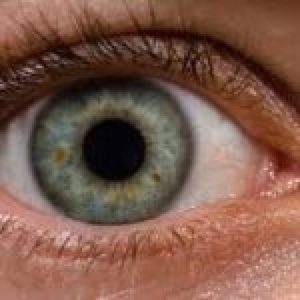

What makes glaucoma particularly dangerous is its quiet progression. Unlike many other eye conditions that cause pain, redness, or sudden changes in vision, glaucoma often develops without obvious symptoms. By the time a person notices a problem with their sight, the disease may have already caused significant and permanent damage.
In Nigeria and many parts of Africa, glaucoma remains a major public health concern. Unfortunately, many individuals only present at hospitals when their vision has already been severely affected, limiting the effectiveness of treatment.
WHAT IS GLAUCOMA?
Glaucoma refers to a group of eye diseases that damage the optic nerve, the vital structure that transmits visual information from the eye to the brain. When this nerve becomes damaged, vision begins to deteriorate.
In many cases, the damage is associated with increased pressure inside the eye, known as intraocular pressure.
The most common form of the disease is Primary Open-Angle Glaucoma, which develops slowly and painlessly over several years. Because it progresses so gradually, many people remain unaware that their vision is being compromised.
Another form, Angle-Closure Glaucoma, occurs when the eye’s drainage system becomes suddenly blocked, leading to a rapid rise in eye pressure. This type may cause severe eye pain, headache, blurred vision, nausea, and requires urgent medical attention.
WHY IT IS CALLED THE SILENT THIEF
Glaucoma earns its name as the silent thief because it often damages peripheral (side) vision first while leaving central vision relatively intact in the early stages. As a result, individuals may still read, recognize faces, and perform everyday tasks while gradually losing their field of vision.
Over time, the visual field narrows, creating what is commonly referred to as tunnel vision. If the condition remains untreated, this progressive loss of vision can ultimately lead to complete blindness.
The most troubling aspect of glaucoma is that the vision lost cannot be restored. However, if detected early, the progression of the disease can be slowed or stopped, preserving the patient’s remaining sight.
WHO IS AT RISK?
Although glaucoma can affect anyone, certain groups of people face a higher risk.
These include individuals above the age of forty, those with a family history of glaucoma, people with elevated intraocular pressure, and individuals living with systemic conditions such as diabetes or hypertension.
People of African descent are particularly vulnerable and often develop the disease earlier and in more aggressive forms.
This reality makes early screening and regular eye examinations especially important in African populations.
IMPORTANCE OF EARLY DETECTION
The most effective weapon against glaucoma is early detection through regular eye examinations. Comprehensive eye tests allow eye care professionals to assess the health of the optic nerve, measure intraocular pressure, and detect early signs of glaucoma before noticeable vision loss occurs.
When diagnosed early, glaucoma can be managed using medicated eye drops, laser procedures, or surgery aimed at lowering eye pressure and protecting the optic nerve from further damage.
However, treatment can only preserve the vision that remains. It cannot restore sight that has already been lost.
RAISING AWARENESS TO PREVENT BLINDNESS
Increasing public awareness about glaucoma is essential to reducing preventable blindness. Global initiatives such as World Glaucoma Week play a critical role in educating communities about the importance of routine eye checks and early diagnosis.
Healthcare professionals, government agencies, and community leaders must work together to promote eye health education and encourage regular screening, particularly among individuals at higher risk.
PREVENTION
Glaucoma may be silent, but its consequences can be devastating. The tragedy is that many people lose their vision simply because the disease was not detected early enough.
The message is clear: do not wait until you notice a problem with your sight before visiting an eye care professional. Regular eye examinations can identify glaucoma long before symptoms appear.
Protecting our vision requires awareness, early detection, and timely treatment. In the fight against glaucoma, a simple eye check can make the difference between lifelong vision and preventable blindness.
*Dr Priscilia Imade is CEO, Modern Eye Clinic, Lagos. E-mail: moderneyecliniclagos@gmail.com
Another edition of the column returns on Monday in The Frontier.