•Dr Priscilia Imade
INTRODUCTION
Every year in the month of May, eye care professionals and health organisations across the world observe Myopia Awareness Week to educate the public on the increasing burden of myopia and the importance of early intervention and myopia control.
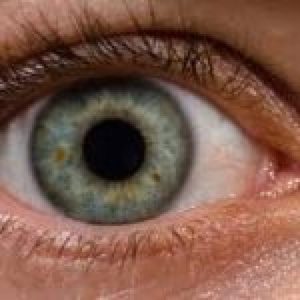
Myopia, also known as shortsightedness, is a condition where a person can see near objects clearly but has difficulty seeing distant objects.
A child with myopia may struggle to see the classroom board, road signs, or television clearly, while reading and phone use remain comfortable.
In recent years, myopia has become one of the fastest growing eye conditions globally. Researchers predict that by the year 2050, nearly half of the world’s population may become myopic.
This rising trend is becoming increasingly noticeable among children and teenagers due to changing lifestyles, increased screen exposure, prolonged near work, and reduced outdoor activities.
WHY MYOPIA IS INCREASING
1. Modern lifestyle: These habits have contributed greatly to the rise in myopia cases among children. Many children now spend several hours daily using mobile phones, tablets, computers, and televisions. Educational demands have also increased near work activities such as reading, writing, and prolonged study periods.
2. Reduced outdoor activities: At the same time, outdoor play and physical activities have significantly reduced. Research has shown that children who spend more time outdoors may have a lower risk of developing progressive myopia.
3. Digital age: Urbanisation, digital learning, and excessive screen dependence are now major contributors to the growing myopia epidemic worldwide.
WHY MYOPIA CONTROL IS IMPORTANT
Many people believe myopia only means wearing glasses, but progressive myopia can lead to serious eye problems later in life.
High levels of myopia increase the risk of retinal detachment, glaucoma, cataract, and myopic degeneration, which may threaten vision permanently.
This is why myopia control has become an important part of modern eye care.
Myopia control involves strategies used to slow down the progression of myopia in children and young people. The goal is not only to improve vision but also to reduce the long-term risks associated with severe myopia.
SIGNS PARENTS SHOULD WATCH FOR
Parents and teachers should pay attention to common warning signs of myopia in children. These include:
* Squinting frequently
* Sitting too close to the television
* Holding phones or books very close
* Complaints of headaches or eye strain
* Difficulty seeing the classroom board
* Reduced concentration during school activities
* Frequent rubbing of the eyes
Sometimes children may not complain because they assume their vision is normal. Regular eye examinations are therefore very important.
IMPORTANCE OF EARLY DETECTION
Early detection remains one of the most effective ways to manage myopia progression. Children should undergo regular comprehensive eye examinations, especially when there is a family history of myopia or noticeable visual difficulties.
The earlier myopia is detected, the better the chances of slowing its progression and protecting long-term eye health.
Routine school vision screenings and increased public awareness can also help identify children who require professional eye care.
HEALTHY EYE HABITS FOR CHILDREN
Parents can help protect their children’s vision by encouraging healthy visual habits such as:
1) Limiting prolonged screen exposure
2) Encouraging outdoor play daily
3) Maintaining proper reading distance
4) Using good lighting while studying
5) Taking regular breaks during near work.
One helpful method is the twenty-twenty-twenty rule. After every twenty minutes of near work, the child should look twenty feet away for at least twenty seconds.
THE ROLE OF PARENTS, SCHOOLS, AND COMMUNITIES
Protecting children’s vision requires teamwork. Parents, schools, teachers, and health professionals all have important roles to play.
A) Schools should support vision screening programmes and encourage balanced learning habits. Parents should monitor children’s screen use and seek professional eye examinations when concerns arise.
B) Communities should also increase awareness about childhood eye health and the dangers of ignoring progressive myopia.
CONCLUSION
Myopia is becoming a major public health concern worldwide, especially among children and teenagers. However, with increased awareness, early detection, proper eye examinations, and modern myopia control methods, its progression can be slowed significantly.
Protecting children’s vision today helps secure their education, confidence, productivity, and future tomorrow.
Healthy eyes are essential for healthy learning and healthy living.
*Dr Priscilia Imade is CEO, Modern Eye Clinic, Lagos. E-mail: moderneyecliniclagos@gmail.com.
Another edition of the column returns on Monday in The Frontier.