•Dr Priscilia Imade
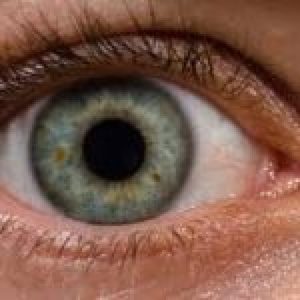
In the month of October of every year, there is usually a global awareness on eye health. This year, the World Sight Day 2024 focuses on the theme “Love Your Eyes,” a global call to prioritise eye health.
The campaign emphasises the importance of regular eye checks and self-care, encouraging individuals and communities to take proactive steps to protect their vision. It highlights the role of early detection and treatment in preventing vision impairment and avoidable blindness.
The initiative also aims to raise awareness about equitable access to eye care services, advocating for policies that ensure everyone, regardless of location or income, has the opportunity to love and care for their eyes.
The underlisted are some of the ways you can love your eyes:
1. Get regular eye examination
Routine eye examination is important for maintaining eye health, even if you do not have vision issues. Eye examinations can detect early signs of eye conditions such as glaucoma, cataracts, macular degeneration, and diabetic retinopathy before symptoms appear.
For children, regular eye checks are important for detecting refractive errors like myopia (nearsightedness) and other developmental vision problems.
Adults under 40 should generally have an eye examination every two years, while those older or at higher risk (e.g., diabetics) should visit annually.
2. Maintain a healthy diet
Nutrition plays a major role in eye health. Foods high in vitamin A (carrots, sweet potatoes, and spinach) support the health of your retina and help prevent night blindness. Vitamin C (found in citrus fruits) and vitamin E (in nuts and seeds) are antioxidants that protect the eyes from oxidative damage, slowing the progression of cataracts and macular degeneration. Omega-3 fatty acids, found in fish like salmon, help prevent dry eyes and support retinal function.
A balanced diet also helps maintain a healthy weight, reducing the risk of diabetes and its associated eye complications.
3. Protect your eyes
Exposure to harmful UV rays from the sun can damage your eyes over time, increasing the risk of cataracts, macular degeneration, and pterygium (a growth on the white of the eye).
Wearing prescription sun glasses with 100% UV protection shields your eyes from these harmful rays. Additionally, wearing protective eyewear during high-risk activities, such as playing sports, working with tools, or using chemicals, prevents eye injuries.
For people who spend a lot of time on digital devices, blue-light filtering lenses can also be helpful in reducing eye strain.
4. Practice the 20-20-20 Rule
Prolonged screen time is a major cause of digital eye strain, leading to symptoms such as headaches, dry eyes, and blurred vision. The 20-20-20 rule is an easy way to reduce these effects: Every 20 minutes, look at something 20 feet away for 20 seconds. This helps relax the eye muscles, giving them a break from constant focus on close-up objects.
Additionally, adjusting your screen’s brightness, using anti-glare screens, and keeping your monitor at eye level can further reduce strain.
5. Drink plenty water to stay hydrated
Hydration is not only important for your overall health but also for maintaining proper eye function. Drinking enough water ensures that your body, including your eyes, stays well-hydrated, reducing the risk of dryness, irritation, and blurry vision. If you often experience dry eyes, you can also use artificial tears or eye drops for relief.
6. Quit smoking
Smoking is a known risk factor for several serious eye conditions. It damages blood vessels throughout the body, including those in the eyes, increasing the risk of macular degeneration, cataracts, and optic nerve damage. Smokers are also more likely to develop dry eyes and uveitis (inflammation of the eye’s middle layer).
Quitting smoking can significantly lower these risks and improve your eye health, even if you’ve smoked for many years.
7. Manage chronic conditions
Chronic conditions like diabetes, high blood pressure, and high cholesterol can have a direct impact on your vision. Diabetes, in particular, can lead to diabetic retinopathy, a condition that damages the blood vessels in the retina and can result in blindness if not managed properly. High blood pressure can also cause damage to the blood vessels in the eyes, leading to vision loss. By managing these conditions through medication, regular monitoring, and lifestyle changes, you reduce your risk of vision complications.
CONCLUSION
Love your eyes is a terminology that is meant to continuously remind you to care for your eyes at all times. By consistently applying these practices, you not only protect your current vision but also reduce the risk of developing serious eye conditions in the future.
*Dr Priscilia Imade is CEO, Modern Eye Clinic, Lagos. E-mail: moderneyecliniclagos@gmail.comAnother edition of the column returns on Monday in The Frontier.