
•Dr Priscilia Imade
You live in a world dominated by screens. From the moment you wake up, you reach for your mobile phone. You work on a computer, follow the news on a tablet, and relax in the evening in front of a television.
Whether for work, education, communication, or entertainment, screens have become an inseparable part of your daily routine.

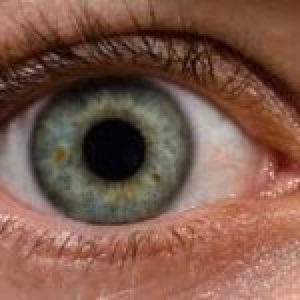
However, while screens make life easier and more connected, they also place increasing demands on your eyes. The relationship between screens and your vision is complex. Prolonged screen use can affect your eyes in ways you may not immediately notice, but which can gradually reduce your visual comfort and overall eye health. Understanding these effects is the first step towards protecting your sight in a digital world.
HOW SCREENS AFFECT YOUR EYES
One of the most common problems linked to prolonged screen use is digital eye strain. When you spend long hours staring at a screen without taking breaks, your eyes are forced to work harder than usual. You may notice blurry vision, frequent headaches, dry or burning eyes, and even pain in your neck or shoulders.
Digital eye strain occurs mainly because you blink less when using screens. Under normal conditions, blinking helps spread tears across the surface of your eyes, keeping them moist and comfortable. When you focus intensely on a screen, your blink rate can reduce by almost half. As a result, the tear film evaporates more quickly, leaving your eyes dry, irritated, and tired.
Another important factor is exposure to blue light. Screens emit blue light, a high-energy visible light that plays a natural role in regulating your alertness and sleep-wake cycle during the day.
However, constant exposure to artificial blue light, especially in the evening and at night, can disrupt your natural sleep rhythm, make your eyes feel fatigued, and increase visual discomfort.
WHAT SCREEN USE DOES TO YOUR VISION
Prolonged screen exposure can affect your eyes in several ways. Dry eyes are one of the most common problems. Reduced blinking leads to tear evaporation, making your eyes feel gritty, itchy, or painful.
Blurry vision is another frequent complaint. After long periods of focusing on a screen, your eyes may struggle to adjust when you look at distant objects. This happens because the eye muscles responsible for focusing remain contracted for too long.
Headaches and physical tension are also common. Extended screen use can strain not only your eyes but also your neck and shoulders, especially if your posture is poor. Many people treat these symptoms with painkillers without realizing that the root cause is eye strain.
Sleep disruption is another hidden effect. Using screens late at night delays the release of melatonin, the hormone that prepares your body for sleep. This can lead to difficulty falling asleep, poor sleep quality, and daytime fatigue.
Children and Screens
Children are particularly vulnerable to the effects of screen use because their eyes are still developing. Excessive screen exposure has been linked to the rising global prevalence of myopia, also known as nearsightedness.
In some countries, more than half of young adults are now nearsighted.
Research shows that spending time outdoors significantly reduces the risk of developing myopia. Natural light and distance viewing help relax the eye’s focusing system. Unfortunately, many children today spend more time indoors on screens than playing outside.
In Nigeria, increasing access to digital devices has led to a sharp rise in screen use among children. Many students now rely on phones, tablets, and computers for both learning and recreation, placing their developing eyes under constant strain.
PROTECT YOUR EYES
You can reduce the impact of screens on your eyes by adopting simple daily habits. One of the most effective strategies is the twenty-twenty-twenty rule. Every twenty minutes, you should look at something about twenty feet away for at least twenty seconds. This relaxes your focusing muscles and reduces eye fatigue.
Blinking consciously is also important. Make a habit of blinking fully and frequently, especially during long screen sessions. This helps maintain a healthy tear film.
Your environment also matters. Position your screen slightly below eye level, reduce glare from windows or bright lights, and increase text size to avoid squinting.
Reducing screen brightness and using night mode in the evening can help protect your sleep cycle. For children, encouraging outdoor activities every day can significantly support healthy visual development.
PRIORITISE EYE EXAMINATION
You should consult an eye care professional if you experience persistent blurry vision, frequent headaches, chronic dry eyes, or difficulty seeing distant objects. An eye examination can identify early signs of visual problems and help prevent long-term damage.
Even if your vision seems normal, regular eye examinations are essential. Many eye conditions develop gradually and without obvious symptoms. Early detection allows timely intervention and better long-term outcomes.
Screens are an unavoidable part of modern life. You cannot eliminate them, but you can learn to use them wisely. Your eyes were not designed for constant close-range digital focus, and prolonged exposure comes with consequences.
By understanding how screens affect your vision and by adopting healthy screen habits, you can enjoy the benefits of technology without sacrificing your eye health. Your eyes are your window to the world. Protecting them today will preserve your quality of life tomorrow.
*Dr Priscilia Imade is CEO, Modern Eye Clinic, Lagos. E-mail: moderneyecliniclagos@gmail.com
Another edition of the column returns on Monday in The Frontier.