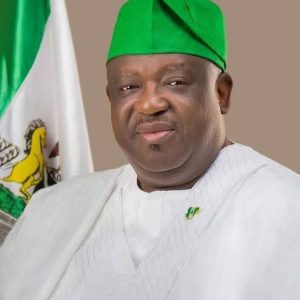
•President Samia Suluhu Hassan of Tanzania
Tanzania’s general election has been overshadowed by widespread unrest, internet shutdowns, and a heavy security crackdown, raising serious concerns about the credibility and transparency of the electoral process.
With over 37 million registered voters expected to cast their ballots yesterday, the atmosphere across the country was anything but calm, according to Agency reports.

The incumbent, President Samia Suluhu Hassan, 65, is seeking her first full term in office after assuming power in March 2021 following the death of her predecessor, John Pombe Magufuli.
Running under the ruling Chama Cha Mapinduzi (CCM) party, Suluhu faces 16 other candidates.
However, the absence of key opposition figures, either barred, disqualified, or facing legal battles, has cast a long shadow over the legitimacy of the contest
Internet blackout and suppressed opposition
In the early hours of election day, Tanzanians woke up to a nationwide internet shutdown.
According to internet watchdog NetBlocks, the blackout disrupted access to major platforms and communication tools, effectively silencing online mobilisation and independent reporting.
The move, widely condemned by civil society groups and international observers, came amid mounting protests across the country.
The demonstrations, driven largely by youth and civil society activists, were sparked by allegations of political intimidation, suppression of free speech, and worsening economic conditions.
Protesters also decried the exclusion of major opposition parties from the ballot.
Tundu Lissu, the most prominent challenger and leader of the CHADEMA party, is currently on trial for treason.
His party was barred from participating in the polls. Another opposition figure, Luhaga Mpina of ACT-Wazalendo, was disqualified on technical grounds.
In many parts of the country, polling stations were reportedly raided and ballots destroyed.
In Dar es Salaam, a police station along Nelson Mandela Road was set ablaze by demonstrators. Despite these disruptions, voting continued in some areas, albeit with low turnout.
President Suluhu cast her vote in Dodoma, while her running mate, Ambassador Dr Emmanuel John Nchimbi, also participated in the exercise.
Curfews, crackdowns
As tensions escalated, Tanzanian authorities imposed a nationwide curfew beginning at 6 pm East African Time.
Police Chief Camillus Wambura announced the measure on national broadcaster TBC, warning that military and police personnel would patrol the streets of Dar es Salaam and other hotspots.
The curfew followed earlier statements by Dar es Salaam Regional Commissioner Alfred Chalamila, who vowed that the government would respond with overwhelming force to any attempts to disrupt public order.
“Even if you see propaganda of any kind on social media about any area of the Dar es Salaam Region, know the power that will be used to control the matter is seven times more than the force applied planning it,” Chalamila warned.
Police in the Kimara Kibo area of Dar es Salaam dispersed groups of youths attempting to march, while patrol vehicles were seen along major highways.
The protests, largely organised through online platforms before the blackout, have spread from Kimara to Magomeni and other parts of the city.
In another development, the US Embassy in Tanzania issued a security alert, advising American citizens to avoid crowded areas and remain indoors.
Embassy staff were instructed to shelter in place as security forces responded to the unrest. The embassy emphasised the need for caution amid reports of demonstrations in multiple locations.
A one-sided election
Critics argue that the election has been reduced to a symbolic exercise, with President Suluhu effectively running unopposed.
With CHADEMA barred, ACT-Wazalendo disqualified, and other opposition figures either jailed or missing, many Tanzanians feel disenfranchised.
“It’s either you vote for Samia Hassan or you don’t vote at all,” one activist lamented.
While voting proceeded relatively calmly in Zanzibar, access for foreign media on the mainland has been heavily restricted.
Observers have raised alarms over the shrinking political space and the erosion of democratic norms in what was once considered one of East Africa’s more stable democracies.
As the polls close and counting begins, the question remains not just who will win, but at what cost. The events of October 29 have left a deep scar on Tanzania’s democratic fabric, and the days ahead will test the resilience of its institutions and the will of its people.
Whether the government can restore calm and legitimacy or whether the unrest will deepen remains to be seen. For now, Tanzania waits, tense, angry and uncertain.