
•Dr Priscilia Imade
INTRODUCTION
Happy new month to all our readers. We are starting the month of June with the discussion on conjunctivitis which is commonly known as “Apollo” in Nigeria. It is one of the most common eye conditions affecting people of all ages. It is highly contagious in many cases and can spread rapidly in homes, schools, offices and crowded environments.
Although conjunctivitis is often mild, some forms can lead to serious eye complications if not properly managed.
DEFINITION
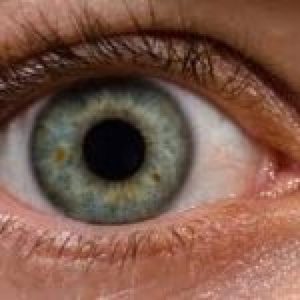
Conjunctivitis is the inflammation or irritation of the conjunctiva, the thin transparent membrane that covers the white part of the eye and lines the inner surface of the eyelids.
When the conjunctiva becomes inflamed, the eye may appear red, watery, itchy, swollen, or produce discharge.
TYPES OF CONJUNCTIVITIS
1. Viral Conjunctivitis:
This is the most common type and is caused by viruses. It spreads easily from person to person and often occurs during outbreaks.
Features include red eyes, watery discharge, burning sensation and highly contagious.
2.Bacterial Conjunctivitis:
This type is caused by bacteria and may produce thick yellow or green discharge. Features include sticky eyelids, especially in the morning, pus-like discharge, redness, mild pain or irritation.
3.Allergic Conjunctivitis:
This occurs when the eyes react to allergens such as dust, pollen, smoke, perfume, or animal fur. Features include, severe itching, tearing, swollen eyelids, usually affects both eyes.
4.Chemical or Irritant Conjunctivitis.
This develops after exposure to chemicals, smoke, chlorine, harsh fumes, or foreign substances.
Features include, redness, burning sensation, tearing and discomfort.
5.Neonatal Conjunctivitis
This occurs in newborn babies and may result from infection acquired during childbirth. It requires urgent medical attention.
RISK FACTORS
Certain individuals are at higher risk of developing conjunctivitis, including:
* School children
* Healthcare workers
* People living in crowded environments
* Individuals with allergies
* Contact lens users
* People with poor hygiene practices
* Individuals with weak immune systems
TREATMENT AND MANAGEMENT
Treatment of conjunctivitis depends on the cause. Viral conjunctivitis usually resolves with supportive care such as cold compresses, lubricating eye drops, rest, and good hygiene, while bacterial conjunctivitis may require antibiotic eye drops or ointment.
Allergic conjunctivitis is managed by avoiding allergens and using anti-allergy medications, whereas chemical conjunctivitis requires immediate washing of the eyes and urgent medical attention.
Self-medication and the use of random eye drops should be avoided. Good hygiene, avoiding eye rubbing, and not sharing personal items can help prevent the spread of conjunctivitis.
CONCLUSION
Conjunctivitis is a common eye condition that can affect anyone. While many cases are mild, some can become serious if ignored or improperly treated. Early diagnosis, proper treatment and good hygiene practices are essential for preventing complications and reducing the spread of infection.
Protecting the eyes starts with awareness, cleanliness, and prompt professional care. Healthy eyes remain essential for productivity, education, and quality of life.
*Dr Priscilia Imade is CEO, Modern Eye Clinic, Lagos. E-mail: moderneyecliniclagos@gmail.com
Another edition of the column returns on Monday in The Frontier.